Quote · Added 14 February 2026
Hope is such a bait, it covers any hook.
Oliver GoldsmithThe Vicar of Wakefield, 1766
Quote · Added 14 February 2026
Hope has a peculiar power over us—it makes us willing to swallow things we'd normally reject outright. When we're hoping for something badly enough, we stop asking hard questions. We ignore red flags. We take risks we'd otherwise call reckless. That job offer that seems too good? Hope whispers that maybe it actually is good. The relationship that keeps hurting us? Hope insists this time will be different. We dangle that hope in front of ourselves like bait, and we snap at it without thinking.
The tricky part is that hope isn't actually the problem. The problem is how easily it blinds us to reality. A con artist knows this. Someone trying to manipulate us knows this. But so does our own wishful thinking. We're often the ones setting our own hooks, baiting them with hope, then swallowing them whole. This doesn't mean we should stop hoping—that's not the answer either. It means recognizing that hope, for all its beauty, is also a vulnerability. The wiser move is to hold onto hope while keeping at least half your brain engaged with skepticism, especially when something feels urgent or too perfectly aligned with what you want.
1730–1774·lived 43 years
Oliver Goldsmith (1730-1774) was an Irish novelist, playwright, and poet, best known for his works such as "The Vicar of Wakefield" and the play "She Stoops to Conquer." His writing is celebrated for its humor and keen observation of human nature, contributing significantly to 18th-century literature. Goldsmith also wrote essays and contributed to various periodicals, showcasing his versatility as a writer.
Also by Oliver Goldsmith
Let schoolmasters puzzle their brain, With grammar, and nonsense, and learning, Good liquo...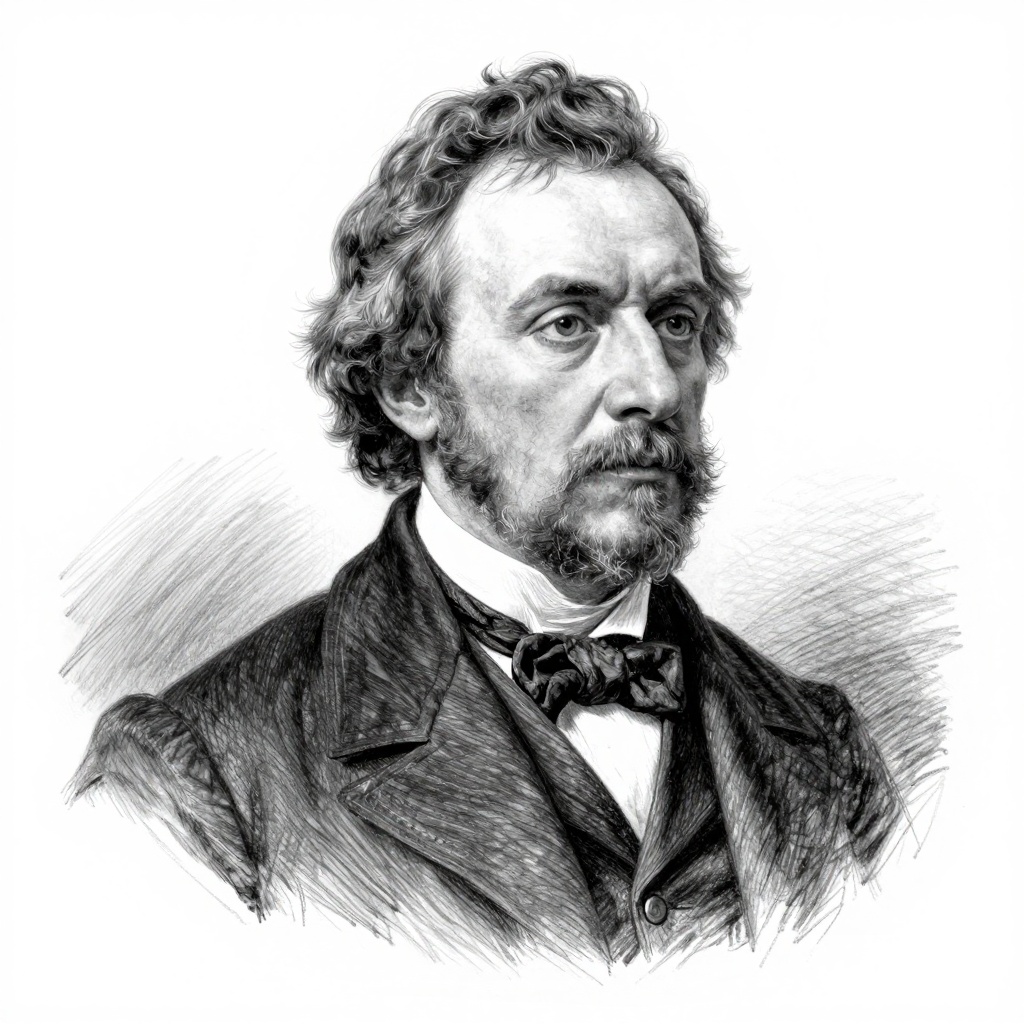
Comments