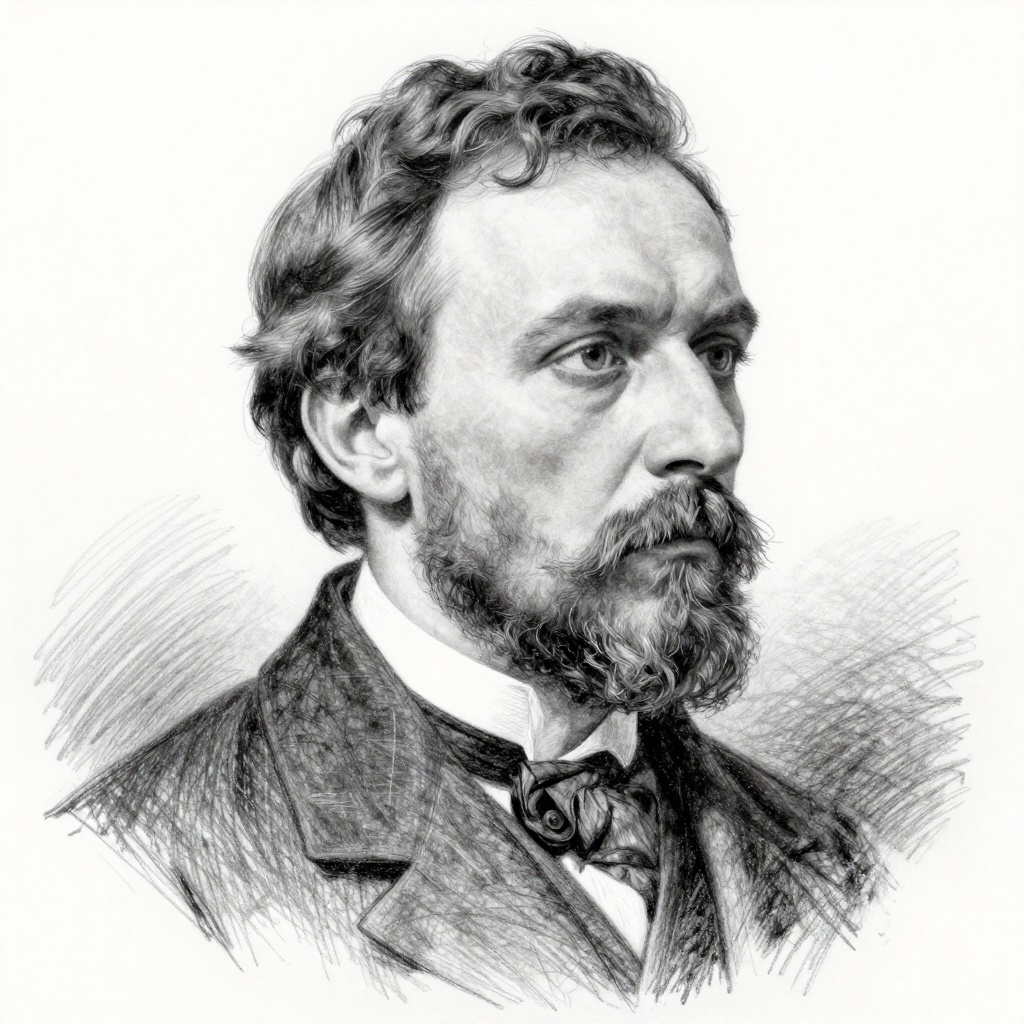
The experience of ages has shown that a man who works on the land is purer, nobler, higher, and more moral...... — Nikolai Gogol

The experience of ages has shown that a man who works on the land is purer, nobler, higher, and more moral... Agriculture should be at the basis of everything. That's my idea.

Author: Nikolai Gogol

Insight: There's something deeply appealing about this idea—that closeness to the land purifies you, that dirt under your fingernails signals integrity. We see it everywhere now: the farmer's market premium, the cottage garden fantasy, the whole Instagram aesthetic of "getting back to basics." There's real wisdom in it too. Working with soil does teach you patience, consequence, and humility in ways an office job might not. But here's where Gogol's vision gets complicated: he was writing from a place of romantic distance. He wasn't actually a farmer, and he lived during a time when Russian agriculture was built on serfdom—bonded labor that was anything but noble. The uncomfortable truth is that believing in the moral superiority of farm life has historically let people overlook the brutal conditions those farmers actually endured. The useful part of his idea isn't that farming makes you morally pure—it doesn't automatically. It's that when we're disconnected from where our food comes from, when we never feel the consequences of our choices in physical, tangible ways, we lose something. Not purity, exactly, but accountability. Whether you're actually farming or just paying attention to where things come from, there's a real moral muscle in that paying-attention part.

The Romance of Dirt

The experience of ages has shown that a man who works on the land is purer, nobler, higher, and more moral... Agriculture should be at the basis of everything. That's my idea.

There's something deeply appealing about this idea—that closeness to the land purifies you, that dirt under your fingernails signals integrity. We see it everywhere now: the farmer's market premium, the cottage garden fantasy, the whole Instagram aesthetic of "getting back to basics." There's real wisdom in it too. Working with soil does teach you patience, consequence, and humility in ways an office job might not.

But here's where Gogol's vision gets complicated: he was writing from a place of romantic distance. He wasn't actually a farmer, and he lived during a time when Russian agriculture was built on serfdom—bonded labor that was anything but noble. The uncomfortable truth is that believing in the moral superiority of farm life has historically let people overlook the brutal conditions those farmers actually endured.

The useful part of his idea isn't that farming makes you morally pure—it doesn't automatically. It's that when we're disconnected from where our food comes from, when we never feel the consequences of our choices in physical, tangible ways, we lose something. Not purity, exactly, but accountability. Whether you're actually farming or just paying attention to where things come from, there's a real moral muscle in that paying-attention part.

AI generated

Comments

Sign in to leave a comment or reply to one.

Sign in

Nikolai Gogol

Nikolai Gogol was a Russian playwright, novelist, and short story writer, born on March 31, 1809, in Sorochyntsi, Ukraine. He is best known for his influential works such as "Dead Souls" and "The Government Inspector," which showcase his satirical and often surreal exploration of Russian society and human nature. Gogol's unique voice and innovative storytelling have made him a foundational figure in Russian literature.

Graph

Related