Quote · Added 27 March 2026
When your education limits your imagination, it is called indoctrination.
No ratings yet
Filed undereducation·imagination·indoctrination
Quote · Added 27 March 2026
Filed undereducation·imagination·indoctrination
We tend to think education and imagination are natural allies—that learning opens doors to possibility. But there's a real tension here that plays out quietly in classrooms and workplaces all the time. When education becomes mostly about absorbing existing answers instead of asking new questions, something shifts. You learn to color inside the lines so well that you stop seeing the blank spaces where something genuinely new could exist.
This happens in subtle ways. A student learns the "correct" way to solve a problem and stops experimenting with unconventional approaches. A professional follows industry best practices so faithfully they can't imagine doing things differently. The information itself isn't the problem—it's when education becomes a boundary instead of a springboard. You end up knowing more but thinking less freely, armed with facts but somehow smaller in your possibilities.
The tricky part is that good education should feel a bit uncomfortable. It should introduce you to frameworks and knowledge, sure, but also teach you to question them, to poke holes, to wonder "what if?" When learning stops doing that—when it just tells you what to think rather than how to think—that's when the cage gets built, brick by brick, so gradually you might not notice you're in one.
1856–1943·lived 86 years
Nikola Tesla was a Serbian-American inventor, electrical engineer, mechanical engineer, and physicist known for his revolutionary work in the development of alternating current electrical systems. He played a key role in the advancement of wireless communication and is widely regarded as one of the greatest inventors in history.
Also by Nikola Tesla
When you can't be controlled, you will be hated, and that's the power.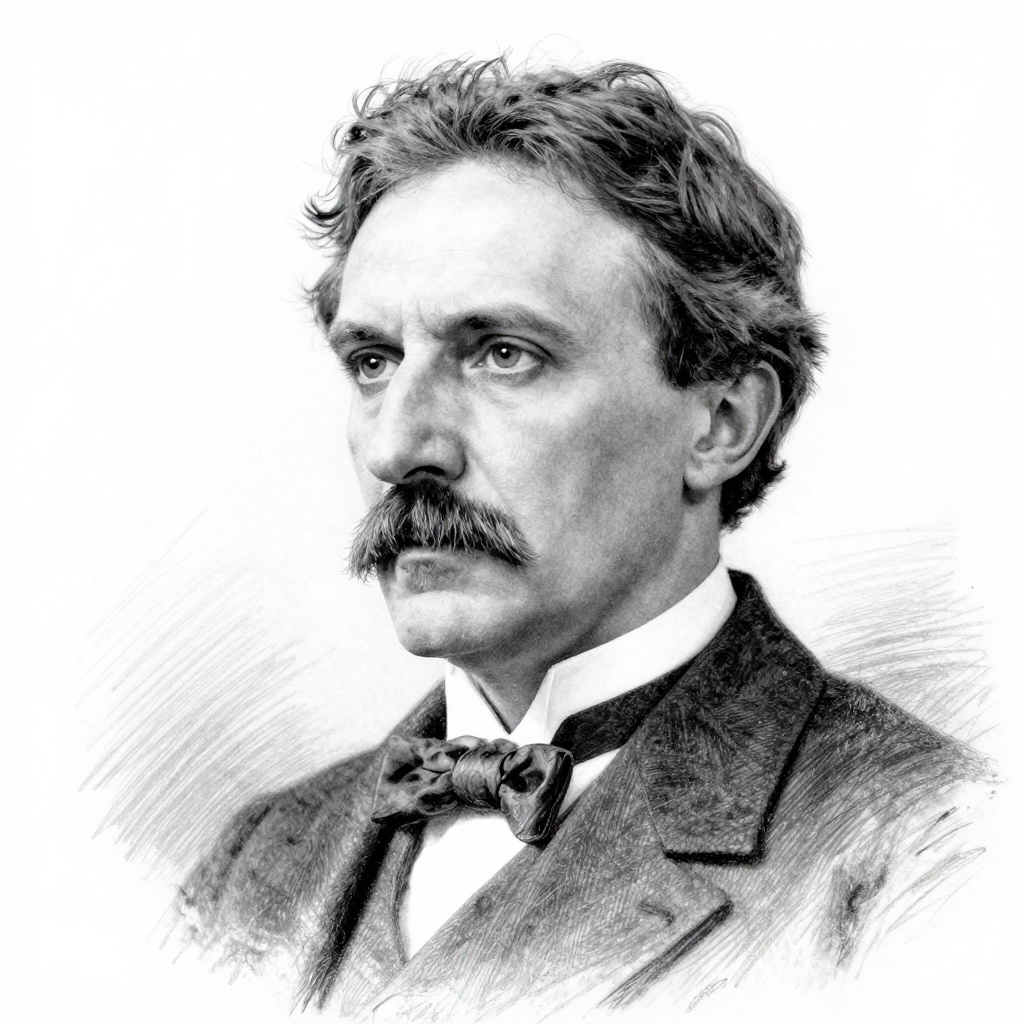
Comments