Quote · Added 9 February 2026
To know that we know what we know, and to know that we do not know what we do not know, that is true knowledge.
No ratings yet
Quote · Added 9 February 2026
Most of us spend energy pretending we know more than we do. We nod confidently in meetings, avoid asking questions that might expose gaps, or double down on half-understood opinions because admitting uncertainty feels dangerous. But the people who actually solve problems tend to do something different: they get comfortable saying "I don't know" and meaning it clearly. That clarity is what this quote is really about.
The trick isn't just admitting ignorance—plenty of people do that while staying stuck. Real knowledge has two sides. First, you actually understand something well enough to trace its edges and see where it holds up. Second, you honestly recognize what's outside those edges. You know the limits of your knowledge, not as a weakness but as a map of where you need to learn more. When you can tell the difference, you stop wasting time defending shaky beliefs and start asking better questions.
This matters more now than ever. We're drowning in information and overconfident opinions, but clarity about what we actually understand versus what we're just echoing? That's rarer. It's also more useful. The person who knows what they don't know can collaborate, adapt, and learn. Everyone else just keeps circling the same patch of ground.
1473–1543·lived 70 years
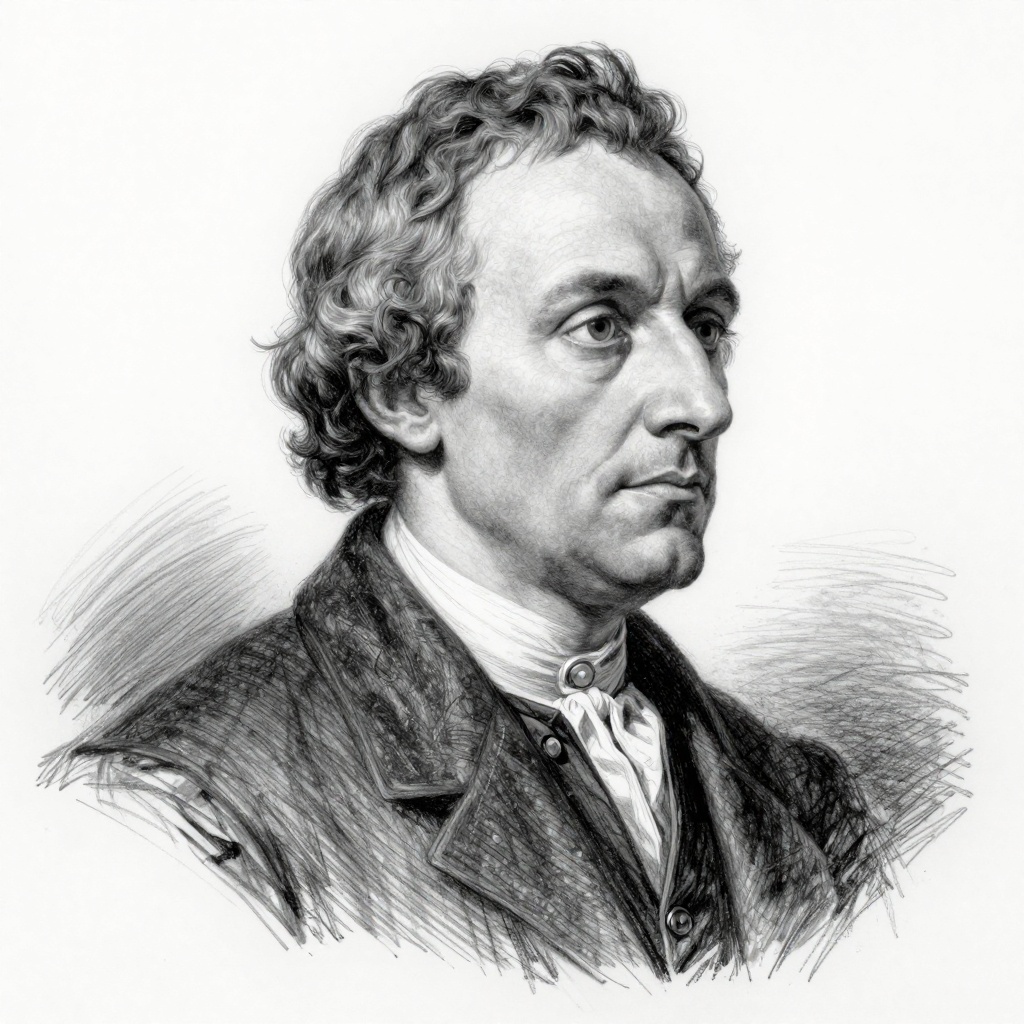
Nicolaus Copernicus was a Renaissance-era mathematician and astronomer. He is best known for his heliocentric model of the universe, which placed the Sun, rather than Earth, at the center of the solar system. His groundbreaking work laid the foundation for modern astronomy and revolutionized our understanding of the cosmos.
Comments