Quote · Added 15 February 2026
Can words describe the fragrance of the very breath of spring?
No ratings yet
Quote · Added 15 February 2026
There's something frustrating about trying to capture beauty in language. You smell fresh cut grass or rain on warm earth, and you reach for words—crisp, clean, earthy—only to feel like you've missed the thing entirely. The experience itself is so direct, so sensory, that describing it feels like translating music into mathematics. You lose something essential in the conversion.
This matters because we live in an age of endless description. We photograph everything, review everything, reduce everything to words and hashtags. Yet some of the most meaningful moments in life resist that treatment. A perfect spring morning, the feeling of being understood by someone, a moment of genuine peace—these don't get better explained; they get diminished by it. Blanchan's question isn't really asking for an answer. It's reminding us that some things are meant to be experienced directly, not mediated through language.
The surprising part is how liberating this can be. Once you accept that some fragrance can't be described, you stop trying so hard to nail it down. You just breathe it in. You stop performing the experience for others and actually live it yourself. That shift from explanation to presence might be one of the most practical things we can remember in our perpetually documented lives.
1865–1942·lived 77 years
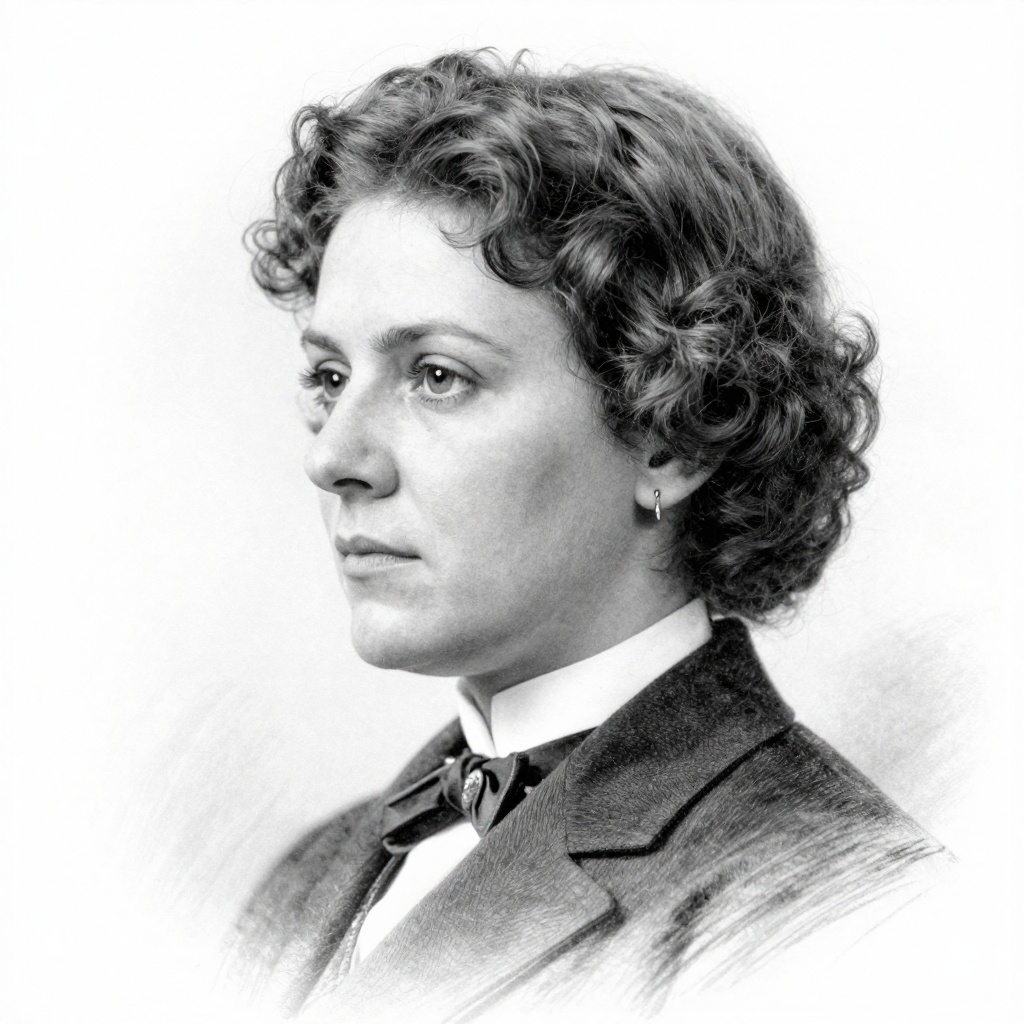
Neltje Blanchan, born in 1865 in New York, was an American author and naturalist known for her works on botany and nature writing. She is best recognized for her books, including "Birds that Hunt and Are Hunted" and "Wild Flowers of the United States," which emphasized the beauty of North American flora and fauna. Blanchan's writing often reflected her deep appreciation for nature and her commitment to environmental awareness.
Comments