Quote · Added 14 February 2026
It is only after one is in trouble that one realizes how little sympathy and kindness there are in the world.
Nellie BlyTen Days in a Mad-House, 1887
No ratings yet
Quote · Added 14 February 2026
We tend to believe people are fundamentally good until something forces us to test that belief. A job loss, a health crisis, a divorce—these moments have a way of clearing the fog. Suddenly you're reaching out to people you thought were friends, and some don't respond. Others offer hollow platitudes. You realize that most people are absorbed in their own lives, not because they're cruel, but because they're distracted. Kindness turns out to require something we don't always have: bandwidth.
The darker truth Bly is pointing at is that many people care about you in theory, but proximity to actual struggle makes them uncomfortable. Your pain becomes inconvenient. But here's the twist worth sitting with: this realization, while painful, is also clarifying. It tends to strip away illusions about who actually shows up. And paradoxically, it often makes the one or two people who do respond feel less like background characters and more like genuine anchors. The scarcity of real kindness doesn't mean it doesn't exist—it just means we usually don't see it until we desperately need it.
1864–1922·lived 57 years
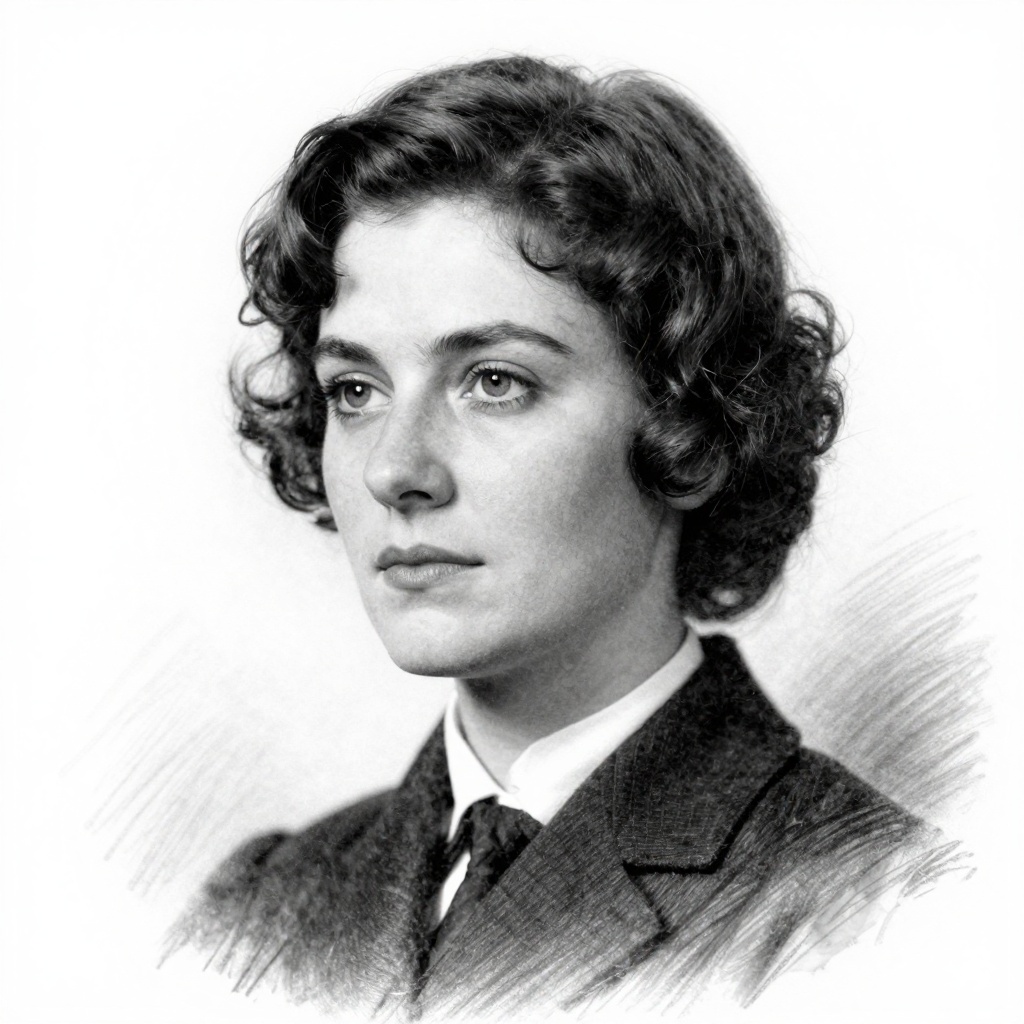
Nellie Bly was an American journalist and pioneering investigative reporter born on May 5, 1864. She is best known for her groundbreaking undercover work, including her 1887 exposé on the treatment of patients in a mental institution, and for her record-setting trip around the world in 72 days, which was inspired by Jules Verne's novel "Around the World in Eighty Days." Bly's work helped to advance the field of journalism and raise awareness of social issues.
Comments