Quote · Added 17 February 2026
Reading
AI generatedSettling successfully is still settling
We spend so much energy worried about aiming too high and failing that we rarely consider the opposite trap: aiming somewhere safe and actually hitting it. That hollow feeling when you finally achieve something you half-wanted? That's what Michelangelo is pointing at. You get the promotion, the house, the relationship milestone—and realize you settled without quite meaning to.
The tricky part is that low aims feel reasonable. They're achievable. They don't keep you up at night. But there's a particular kind of regret that comes from success at something you never truly wanted. It's worse than failure in some ways, because you can't blame circumstances or bad luck. You have to live with the fact that you aimed small and nailed it, and now you're stuck with the small life that resulted.
What makes this relevant isn't just about dramatic ambitions. It's about the everyday choices where you water down what you actually want—taking the easier job instead of the interesting one, staying in patterns that work but don't fulfill you, or choosing comfort over growth. The question isn't just whether you'll succeed. It's whether you're aiming at something that will actually matter when you do.
The author
All 9 quotes by Michelangelo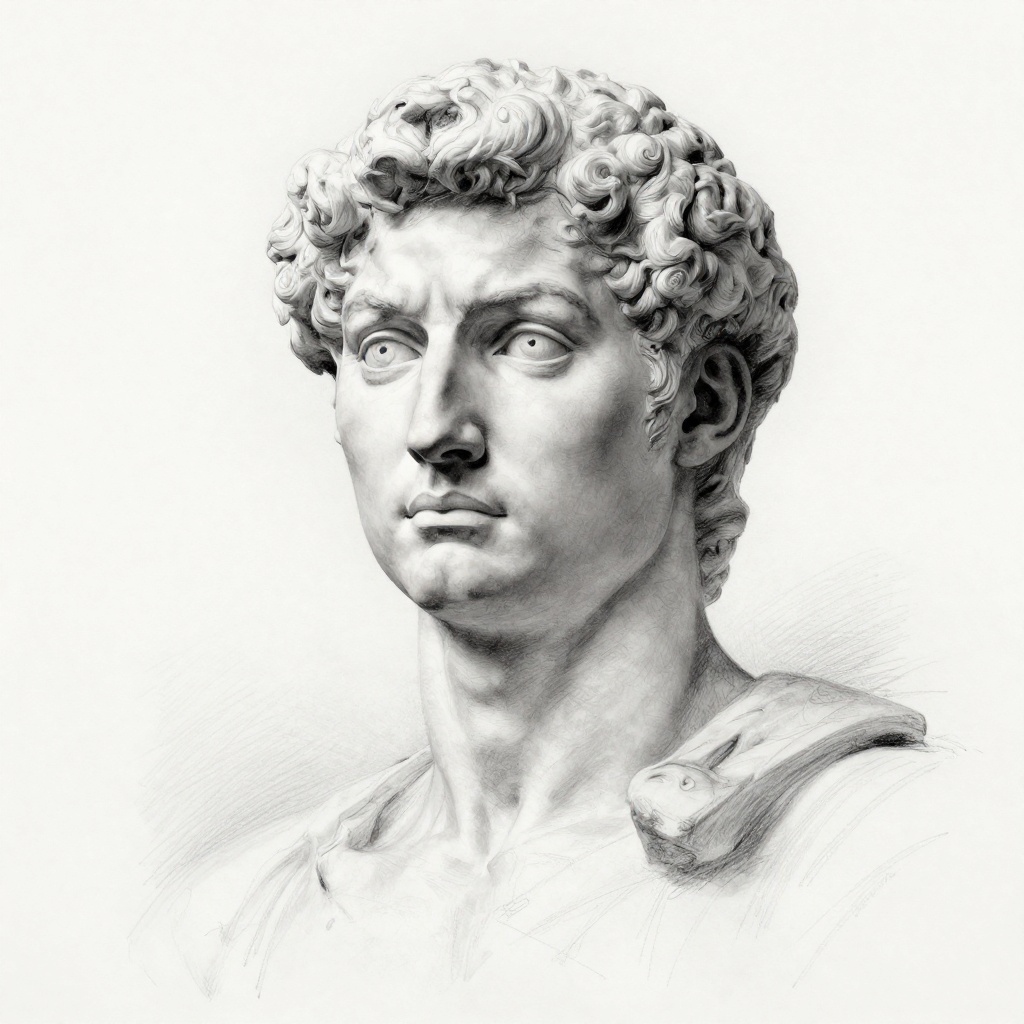
Michelangelo
1475–1564·lived 88 years
Michelangelo was an Italian sculptor, painter, and architect of the High Renaissance. He is best known for his iconic works such as the David sculpture and the ceiling of the Sistine Chapel in Vatican City, showcasing his exceptional skills in art and design.
Comments