Quote · Added 8 February 2026
I am still learning.
Michelangelo BuonarrotiRichard Duppa, The Lives and Works of Michael Angelo and Raphael, 1806
Quote · Added 8 February 2026
There's something quietly radical about Michelangelo saying this in his eighties, after painting the Sistine Chapel and sculpting David. He'd already achieved what most people consider a complete legacy. Yet he framed his whole life as unfinished education. It reminds us that mastery isn't a destination where you finally stop and rest—it's a direction you keep moving in.
We tend to think of learning as something you do early, then graduate from. You finish school, get the job, settle in. But Michelangelo's statement cuts against that. Every project taught him something he'd missed before. Every failure or surprise kept him curious rather than defensive. That mindset changes how you experience obstacles—they're not proof you're stuck, but evidence you're still discovering.
The deeper insight is about staying alive mentally. People who feel most engaged in their work and relationships aren't usually the ones who think they've figured it all out. They're the ones asking better questions, noticing what they don't know, willing to look foolish trying something new. Age, experience, and accomplishment don't have to calcify into certainty. They can become the ground for deeper learning.
1475–1564·lived 88 years
Michelangelo Buonarroti was an Italian Renaissance sculptor, painter, and architect. He is widely regarded as one of the greatest artists of all time and is known for iconic works such as the statue of David, the ceiling of the Sistine Chapel in Vatican City, and the design of St. Peter's Basilica in Rome.
Also by Michelangelo Buonarroti
I saw the angel in the marble and carved until I set him free.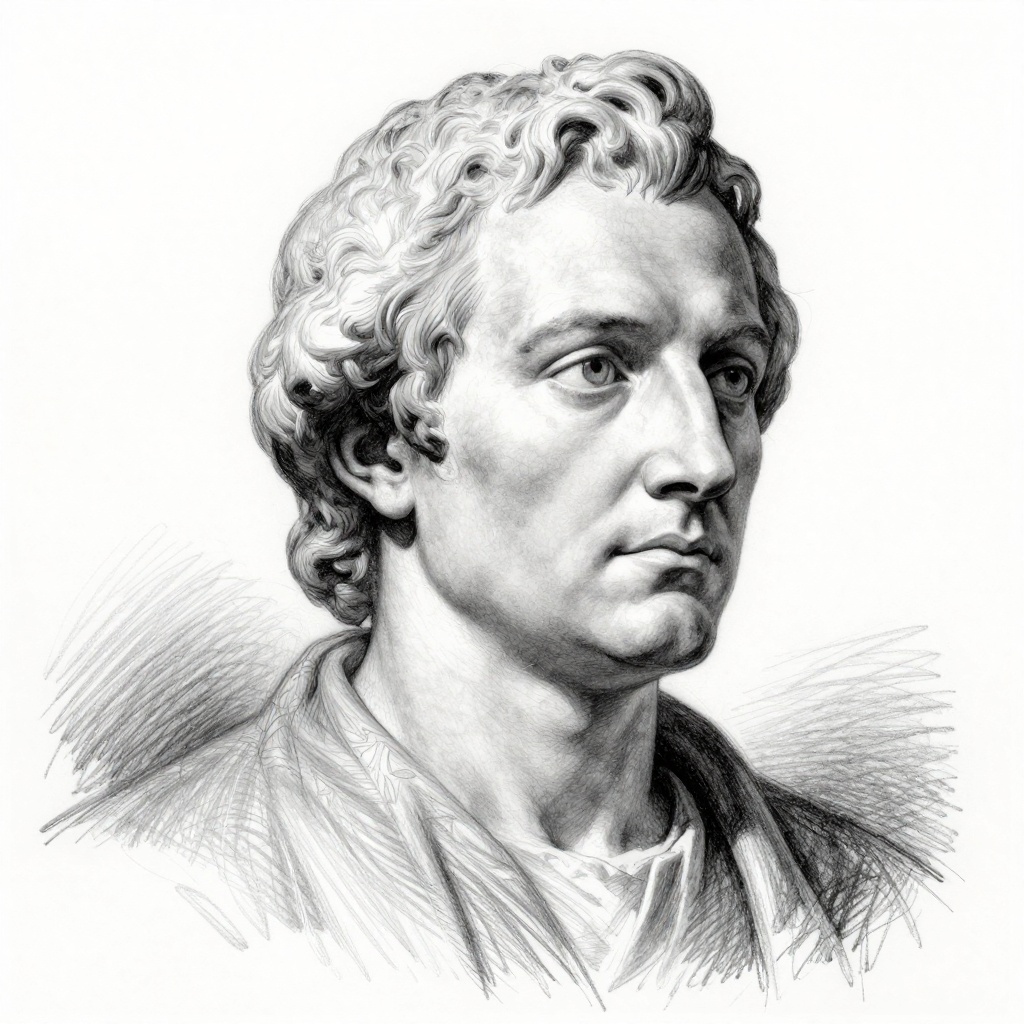
Comments