Quote · Added 10 February 2026
Our experience is composed rather of illusions lost than of wisdom acquired.
Michel de MontaigneOf experience, The Essays of Michel de Montaigne
Filed underillusion·experience·wisdom
Quote · Added 10 February 2026
Filed underillusion·experience·wisdom
There's something quietly devastating in this idea, and also oddly liberating. Most of us grow up believing that getting older means accumulating truths—collecting wisdom like coins in a jar. But Montaigne is pointing at something different: that maturity is often just the slow, sometimes painful process of realizing the things we were confident about weren't quite real. The certainties we had at twenty, the absolute judgments, the person we thought we definitely were—these tend to evaporate, not get replaced by something sturdier, but just... gone.
This lands differently depending on where you are. If you're young and certain, it might feel like bad news. If you're older, there's an unexpected freedom in it. You stop collecting certainties and start becoming comfortable with questions. You realize that the annoying people you judged harshly might have been struggling in ways you couldn't see. That career path you were sure about might have been partly fantasy. Even your own flaws start to look less like permanent character defects and more like misunderstandings you're still untangling.
The practical upshot: wisdom might not be about knowing more. It might just be about holding your knowledge more lightly, staying curious about what you might have wrong, and accepting that some of the lessons life teaches are lessons in recognizing what was never true to begin with.
1533–1592·lived 59 years
Michel de Montaigne was a French philosopher known for popularizing the essay as a literary genre. He is famous for his collection of essays titled "Essais," where he explored a wide range of subjects with honesty, skepticism, and wit, influencing generations of writers and thinkers.
Also by Michel de Montaigne
Valor is stability, not of legs and arms, but of courage and the soul.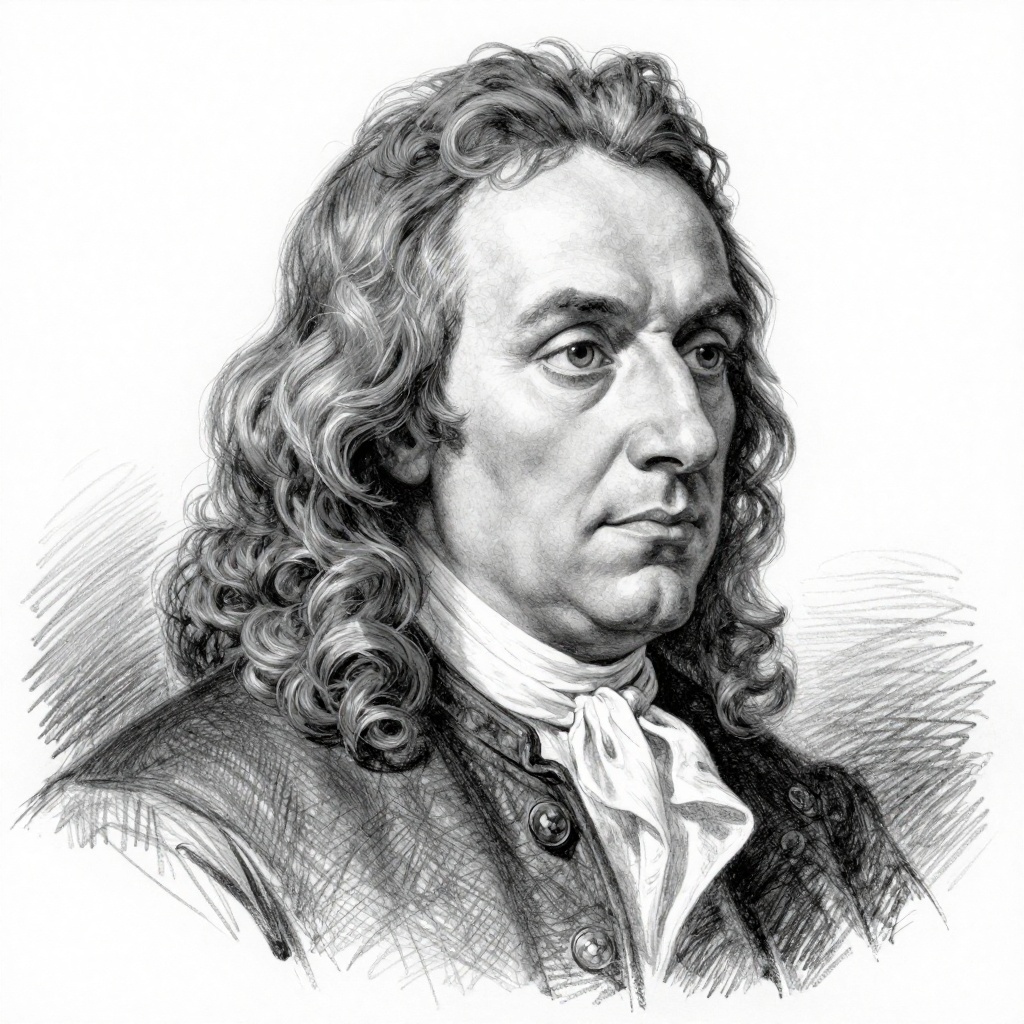
Comments