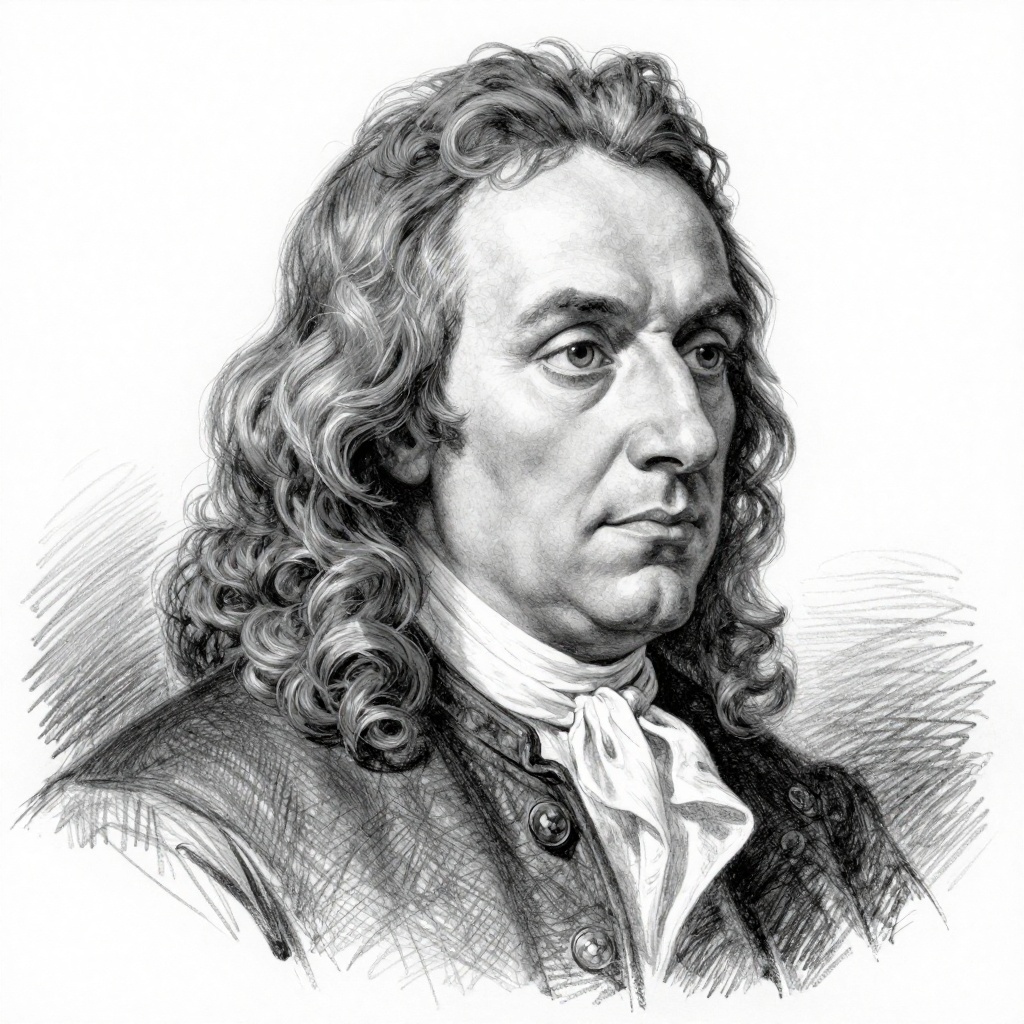
I quote others only the better to express myself. — Michel de Montaigne
I quote others only the better to express myself.
Author: Michel de Montaigne
Insight: When you find yourself reaching for someone else's words—a line from a movie, something a friend said, a bit of philosophy you half-remember—you're not actually dodging your own thoughts. You're doing what Montaigne figured out centuries ago: sometimes the clearest way to say what you mean is to let someone else's phrasing do the heavy lifting, then build your own meaning around it. It's not borrowing weakness; it's borrowing precision. This matters because we often feel like we're cheating when we can't articulate something entirely from scratch. But real communication isn't about being 100% original in every syllable. It's about truth-telling, and sometimes the truth resonates exactly as someone else already said it. The trick is knowing the difference between quoting as a crutch and quoting as a tool—between hiding behind words and using them to illuminate something specific about your own situation. What makes this genuinely useful is recognizing that adding context changes everything. Drop a famous line into your own story, your own dilemma, your own moment, and suddenly it becomes yours. You're not erasing yourself; you're locating yourself precisely by showing how that other voice fits where you stand.
Source: Essays, Book 1, ch. 25 (1.25), Of the Education of Children [De l'institution des enfans] (1579) [tr. Screech, 1987, 1.26]