Quote · Added 14 February 2026
Power is the chance to impose your will within a social context, even when opposed and regardless of the integrity of that chance.
Max WeberEconomy and Society, p. 53, 1922
No ratings yet
Quote · Added 14 February 2026
We usually think of power as something obvious—money, authority, a title on a business card. But Weber's definition cuts deeper. It's not about what you officially own or control; it's about your actual ability to make things happen even when people resist you. A parent can impose bedtime despite a child's protests. A social media influencer can shift how thousands think about a product. A well-connected person can get things done that officially "shouldn't" be possible. Power is that gap between what you want and your capacity to make it real, regardless of whether anyone thinks you deserve it.
This matters now because we're living in an age of distributed power that doesn't fit old categories. You might have zero formal authority yet wield real influence through networks, information, or reputation. Conversely, someone with an impressive title might discover their actual power is smaller than they assumed. The unsettling part of Weber's definition—that integrity doesn't determine whether power exists—is the hardest truth. Power isn't inherently moral or immoral. It just is. Recognizing this doesn't mean celebrating manipulation; it means seeing clearly how influence actually works around you, both in others and in yourself.
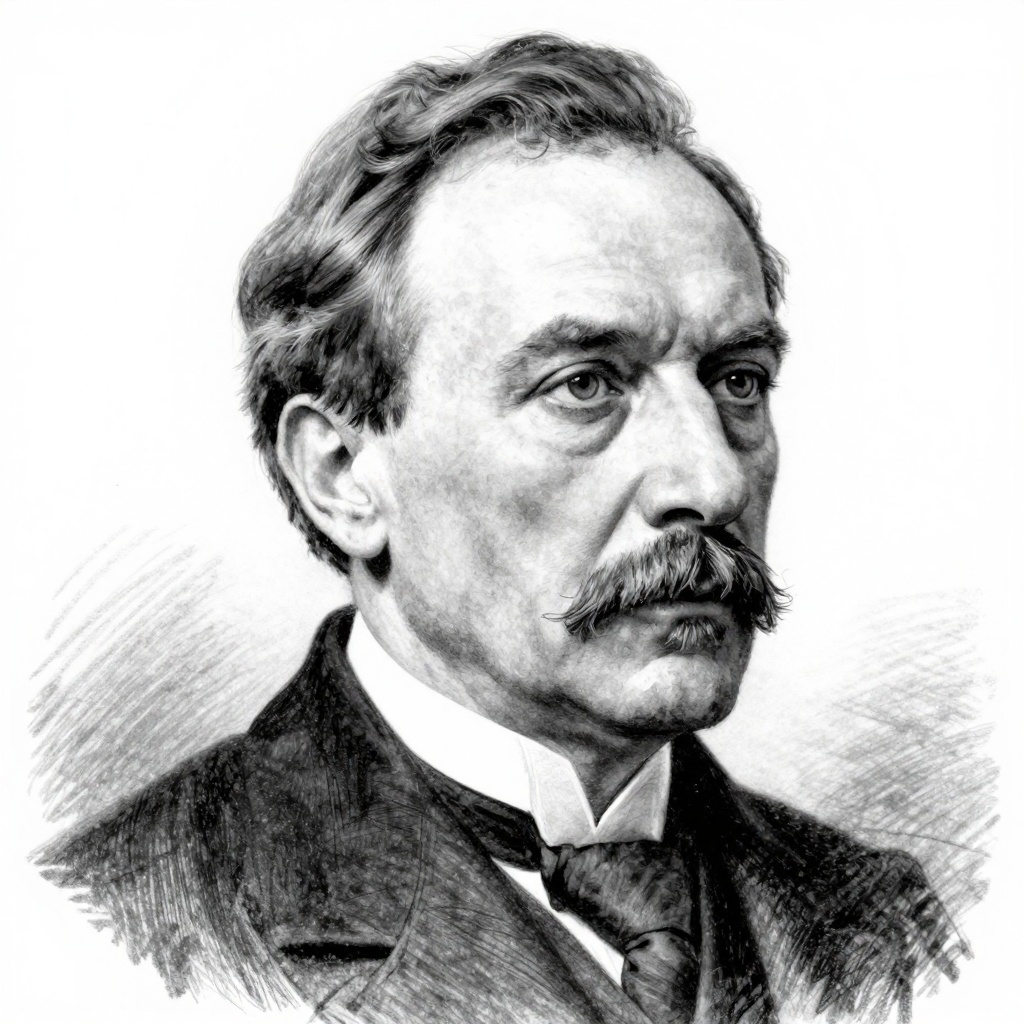
1864–1920·lived 56 years
Max Weber was a German sociologist, political economist, and philosopher, born on April 21, 1864, and died on June 14, 1920. He is best known for his contributions to the fields of sociology and political theory, particularly for his analysis of the relationship between religion and economics, as well as his concepts of bureaucracy and authority. Weber's most influential work, "The Protestant Ethic and the Spirit of Capitalism," explores how Protestant ethics shaped modern capitalism.
Comments