Quote · Added 15 February 2026
The divine right of husbands, like the divine right of kings, may, it is hoped, in this enlightened age, be contested without danger.
Filed underhusbands·rights·enlightenment
Quote · Added 15 February 2026
Filed underhusbands·rights·enlightenment
We've largely forgotten what it felt like to live in a world where someone's authority over you was simply assumed to be natural—beyond question or debate. Wollstonecraft wrote this in 1792, when challenging a husband's right to make decisions for his wife was genuinely risky, both socially and legally. But her comparison is what still stings: she's pointing out that we'd already rejected the idea that kings deserve automatic obedience just because they were born into power. So why, she asks, do we accept the exact same logic in marriage?
The surprise here is that this argument worked. Not overnight, but it worked. We collectively decided that power needs justification, that authority requires consent, that being born into a position doesn't make you right. Yet the insight extends beyond marriage now. We see the same pattern everywhere: in workplaces where "because I'm the boss" substitutes for actual reasoning, in families where tradition silences better ideas, in relationships where one person's word is simply law. Wollstonecraft's real point is that the moment we stop accepting invisible authority as legitimate, we open space for something fairer. The dangerous part, she suggests, isn't questioning power—it's the relief of finally being allowed to.
1759–1797·lived 38 years
Mary Wollstonecraft (1759-1797) was an English writer, philosopher, and early advocate for women's rights. She is best known for her influential work "A Vindication of the Rights of Woman" (1792), in which she argues for women's education and equality, laying the groundwork for modern feminism. Wollstonecraft's ideas challenged the social norms of her time and continue to resonate in discussions about gender and equality today.
Also by Mary Wollstonecraft
Virtue can only flourish among equals.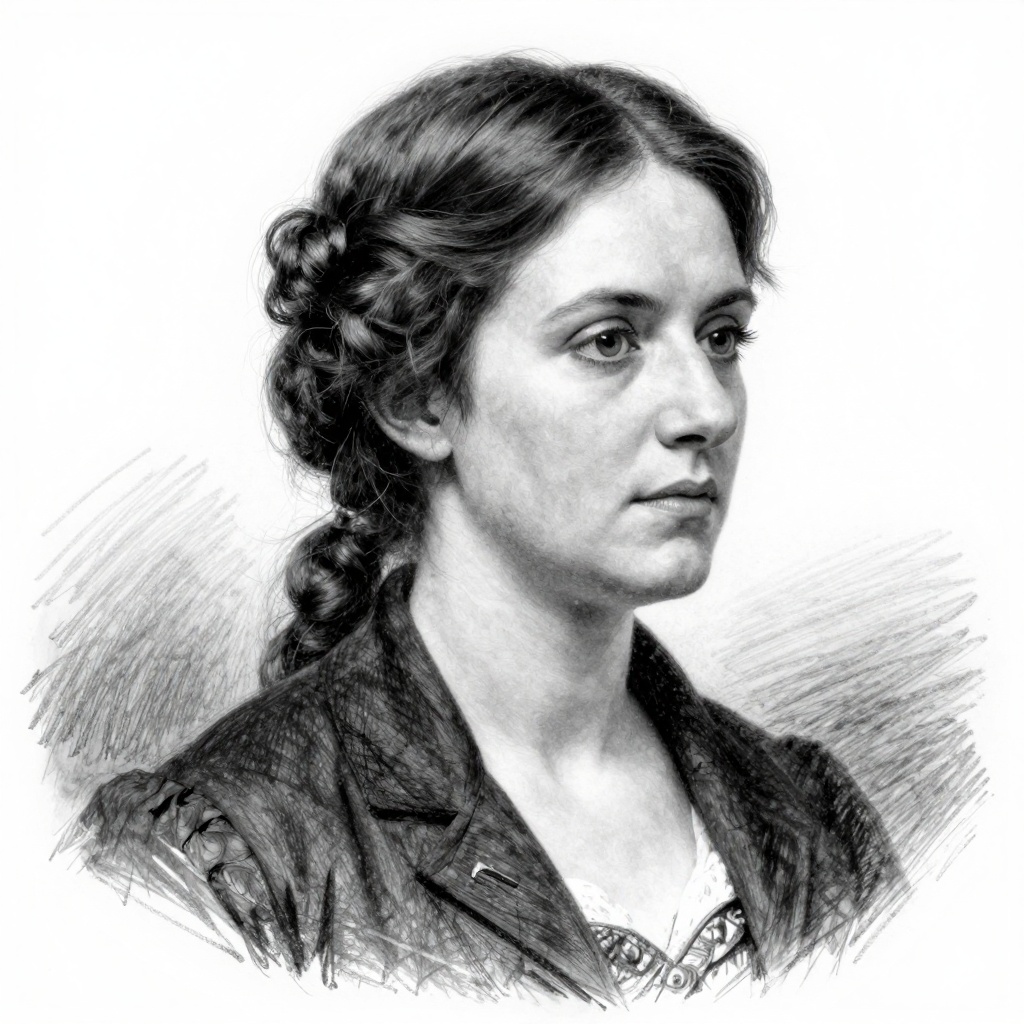
Comments