Quote · Added 14 February 2026
Men and women must be educated, in a great degree, by the opinions and manners of the society they live in.
Mary WollstonecraftA Vindication of the Rights of Woman, 1792
Quote · Added 14 February 2026
We like to think of ourselves as independent thinkers, but the truth is quieter and more pervasive than that. The people around us—what they value, what they find acceptable, what they joke about—quietly shapes what we find normal. A teenager grows up in a house where emotional vulnerability is welcomed and sees therapy as reasonable; another grows up where it's weakness. Neither is born with those assumptions. We absorb them like water through a sponge, often without noticing.
What makes this observation sharp rather than just obvious is that Wollstonecraft wrote it as a call to action, not an excuse. If we're shaped by society, then society itself matters enormously—which means the people in it do too. Our job isn't to pretend we're blank slates immune to influence. It's to think carefully about what influences we're actually swimming in, and whether we want to pass them along. Are the manners around us teaching kindness or cruelty? Curiosity or certainty? That awareness itself becomes a form of choice.
This cuts both ways: it's humbling to notice how much we're shaped by forces we didn't choose. But it's also liberating, because it means that changing the culture around us—through how we treat people, what we celebrate, what we refuse to accept—genuinely changes what becomes normal for the next person.
1759–1797·lived 38 years
Mary Wollstonecraft (1759-1797) was an English writer, philosopher, and early advocate for women's rights. She is best known for her influential work "A Vindication of the Rights of Woman" (1792), in which she argues for women's education and equality, laying the groundwork for modern feminism. Wollstonecraft's ideas challenged the social norms of her time and continue to resonate in discussions about gender and equality today.
Also by Mary Wollstonecraft
The divine right of husbands, like the divine right of kings, may, it is hoped, in this en...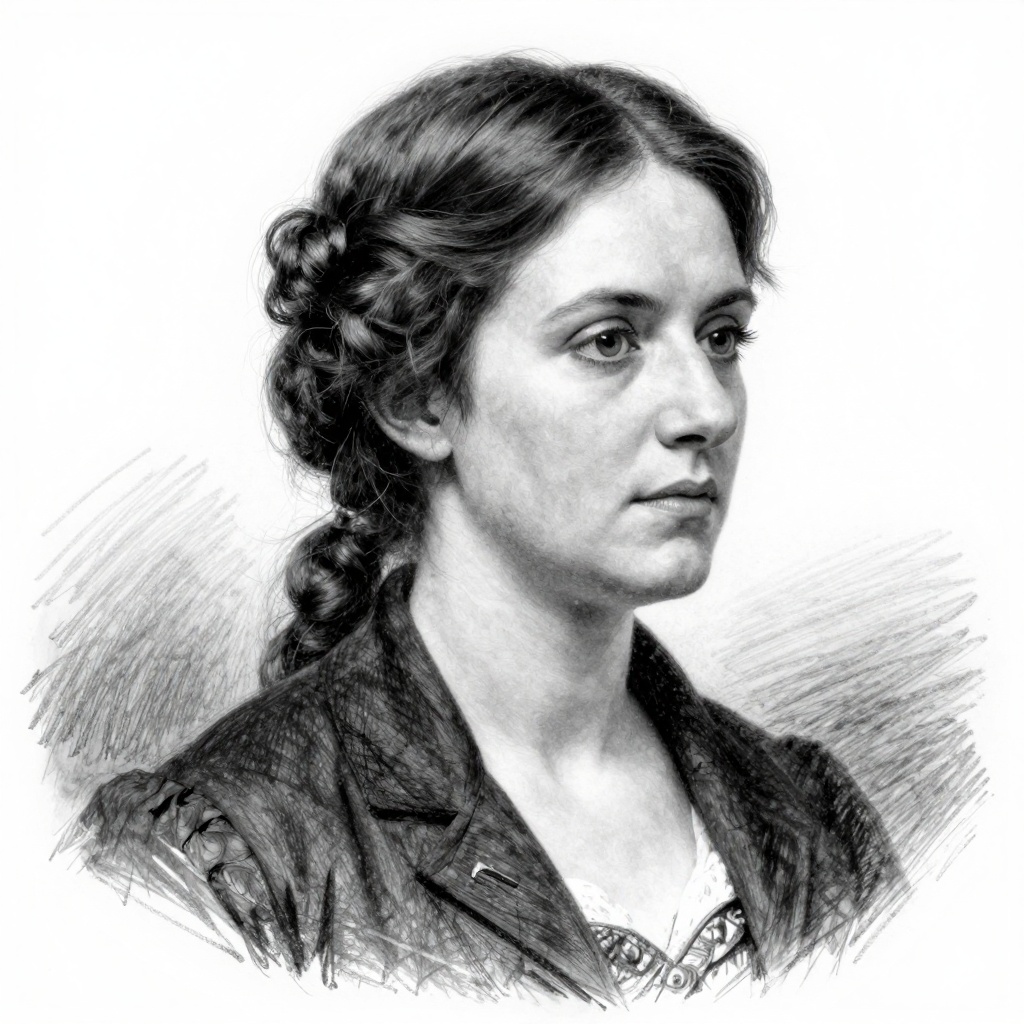
Comments