Quote · Added 19 February 2026
Well-timed silence hath more eloquence than speech.
Filed undersilence·eloquence·communication
Quote · Added 19 February 2026
Filed undersilence·eloquence·communication
There's a moment in almost every conversation when someone stops talking, and suddenly the air feels heavy with meaning. We're so trained to fill silence with words that we forget what it actually does—it forces the other person to sit with what was just said, to feel its weight, to respond from something deeper than habit. A well-placed pause can be more honest than a hundred explanations.
This matters more now than ever. We live in an age of constant talking—texts, emails, hot takes, endless commentary. Most of us have learned to equate silence with awkwardness or weakness, something to be rushed through or conquered. But silence, when it's genuinely timed right, does something speech can't: it respects the listener enough to let them think. It creates space for real understanding instead of just the next person's turn to perform.
The slightly unsettling part is that this requires actual confidence. It's easier to keep talking than to trust that you've said enough. Silence demands that you believe in what you've already communicated and that you're secure enough to let someone else have room to breathe. That's harder than it sounds, which is probably why so few of us get it right.
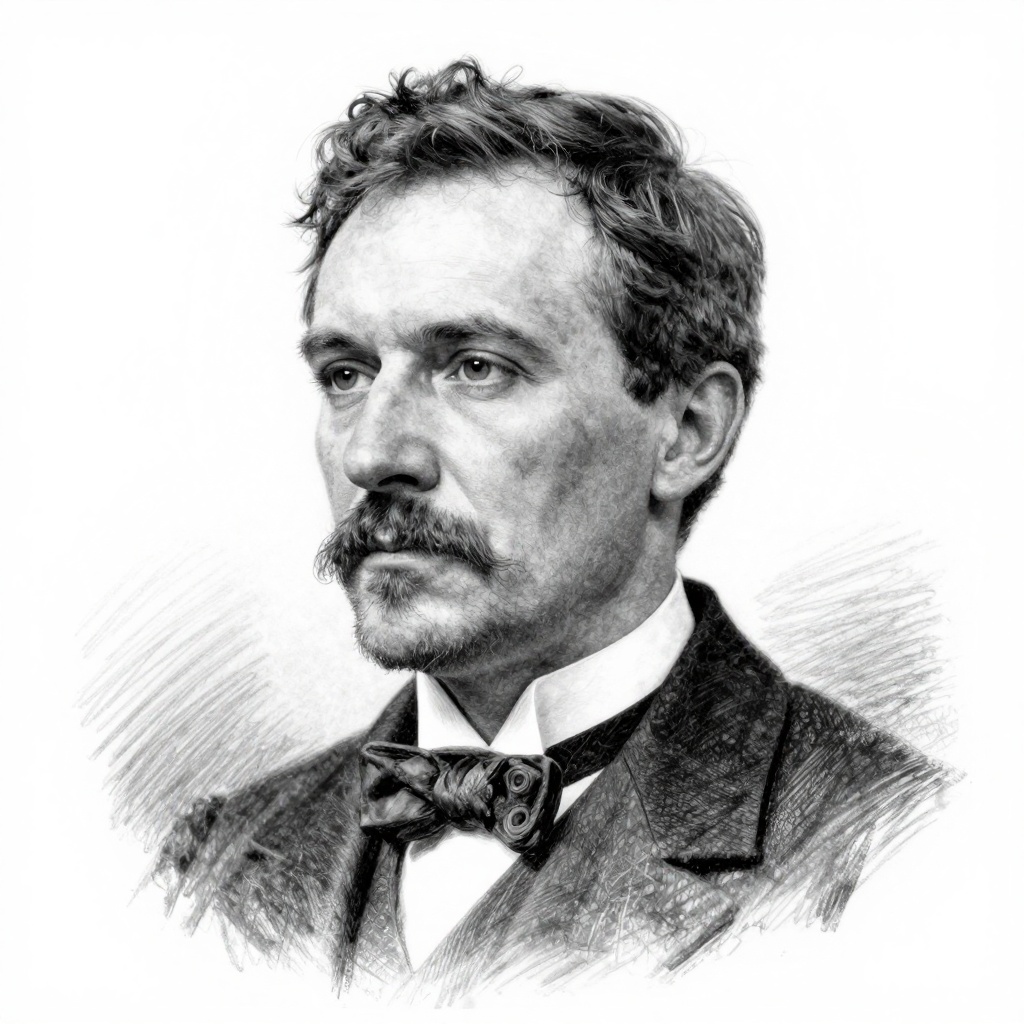
1810–1889·lived 79 years
Martin Fraquhar Tupper was an English writer and poet, born on July 17, 1810, in London. He is best known for his work "Proverbial Philosophy," a collection of didactic poems that gained significant popularity in the mid-19th century. Tupper was also a notable figure in the literary and social circles of his time, contributing to various literary publications.
Comments