Quote · Added 14 February 2026
I've learned from experience that the greater part of our happiness or misery depends on our dispositions and not on our circumstances.
Filed underhappiness·disposition·experience
Quote · Added 14 February 2026
Filed underhappiness·disposition·experience
We tend to believe happiness is something that happens to us—that if we could just land the right job, relationship, or house, we'd finally feel good. But anyone who's gotten what they thought they wanted and still felt empty knows this isn't quite true. Martha Washington's insight cuts against this. She's saying our temperament, our attitude, our general way of meeting the world matters more than what actually happens to us.
The tricky part is that this sounds like it's blaming people for being unhappy, which isn't fair—circumstances genuinely matter. Poverty is harder than wealth. Illness is harder than health. But within real constraints, there's still significant room for how we interpret and respond to what we face. Two people in similar situations can experience radically different levels of contentment based on whether they notice small good things, whether they catastrophize or stay grounded, whether they carry grudges or let things go. It's not about forcing positivity. It's about recognizing that our inner orientation is perhaps the most powerful variable we actually control.
This matters today because we live in a culture that endlessly promises circumstantial fixes—the right product, the right life stage, the right achievement. But the research on happiness keeps arriving at the same place Martha Washington did centuries ago: what shifts our wellbeing most isn't usually external.
1731–1802·lived 70 years
Martha Washington (1731-1802) was the wife of George Washington, the first President of the United States, and is often regarded as the inaugural First Lady of the United States. Known for her strong support of her husband during the American Revolutionary War and her role in establishing the social customs of the presidency, she also managed the Mount Vernon estate and was active in various charitable endeavors, particularly in support of soldiers and their families.
Also by Martha Washington
I am determined to be cheerful and happy in whatever situation I may find myself. For I ha...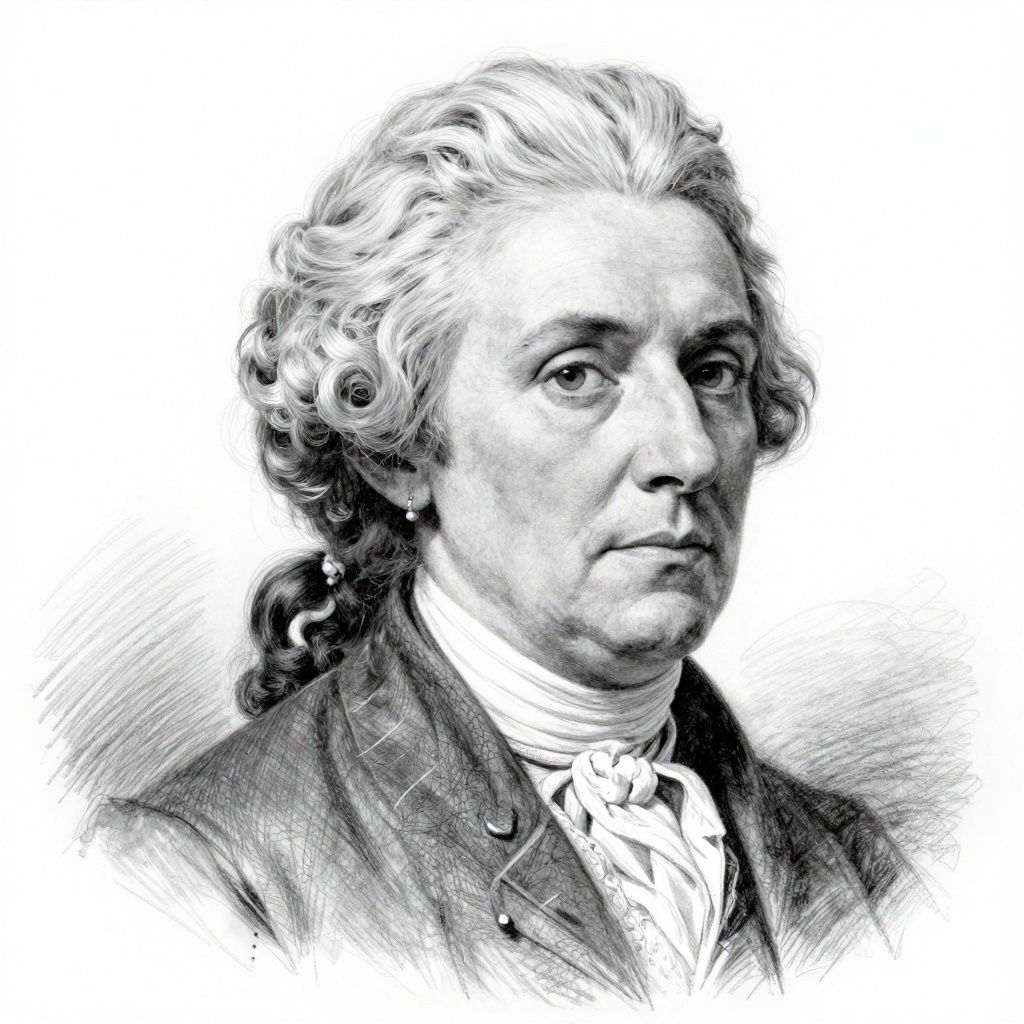
Comments