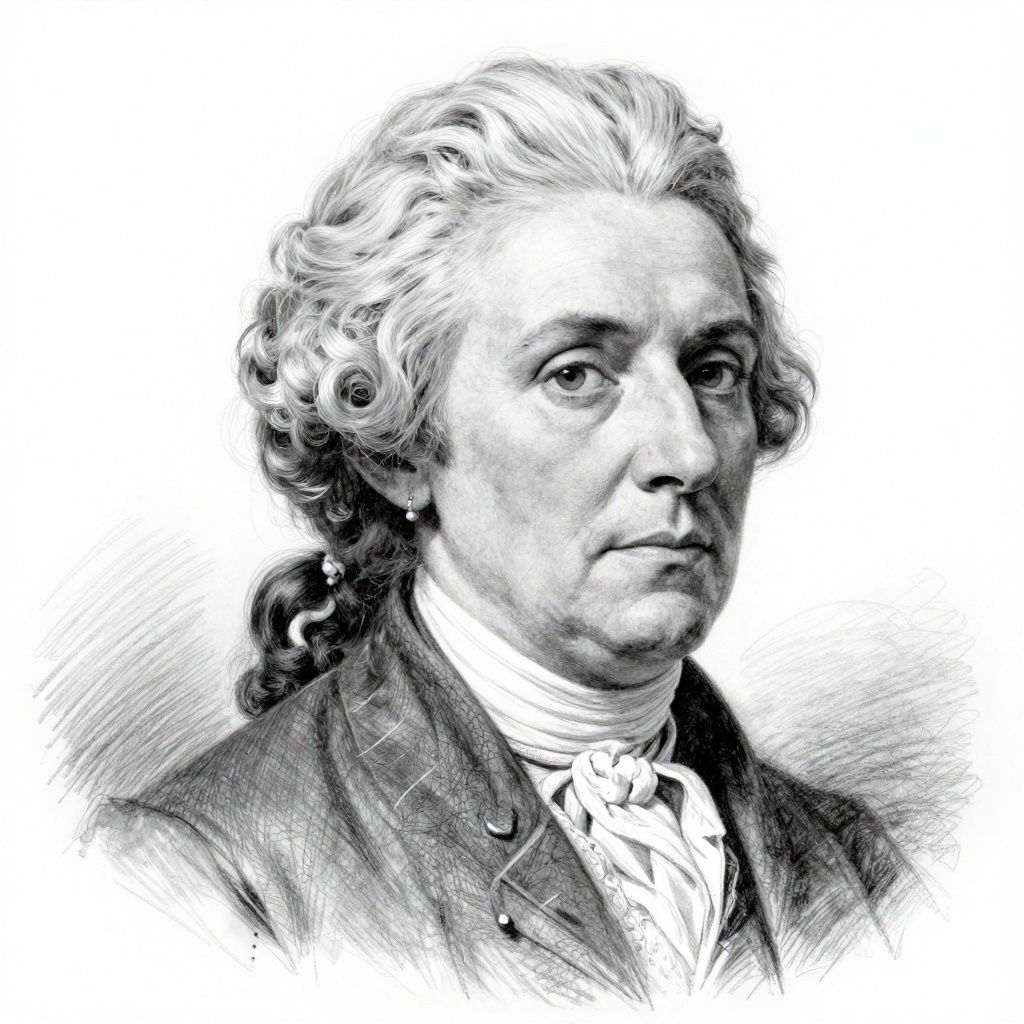
I am determined to be cheerful and happy in whatever situation I may find myself. For I have learned that the... — Martha Washington

I am determined to be cheerful and happy in whatever situation I may find myself. For I have learned that the greater part of our misery or unhappiness is determined not by our circumstance but by our disposition.

Author: Martha Washington

Insight: There's something almost radical about this quote because it cuts against how we naturally think. We spend so much energy blaming our circumstances—the job, the commute, the relationship, the pandemic—that we miss something Martha Washington spotted centuries ago: our mood isn't really hostage to what's happening around us. It's determined largely by how we decide to show up. This doesn't mean pretending bad things aren't bad. It means recognizing that two people in nearly identical situations can have wildly different experiences based on their attitude. One person sees a crowded train as an annoying commute; another sees it as uninterrupted reading time. One sees a rejection as a personal failure; another sees it as information for next time. The circumstance stays the same, but the entire texture of the experience shifts. The tricky part—and the reason this matters now more than ever—is that our disposition isn't something that just happens to us. It's actually something we can work on, like a muscle. That's both sobering and oddly liberating. We can't always control what life throws at us, but we have more agency over our response than we usually admit.

Your mood is the real variable

I am determined to be cheerful and happy in whatever situation I may find myself. For I have learned that the greater part of our misery or unhappiness is determined not by our circumstance but by our disposition.

There's something almost radical about this quote because it cuts against how we naturally think. We spend so much energy blaming our circumstances—the job, the commute, the relationship, the pandemic—that we miss something Martha Washington spotted centuries ago: our mood isn't really hostage to what's happening around us. It's determined largely by how we decide to show up.

This doesn't mean pretending bad things aren't bad. It means recognizing that two people in nearly identical situations can have wildly different experiences based on their attitude. One person sees a crowded train as an annoying commute; another sees it as uninterrupted reading time. One sees a rejection as a personal failure; another sees it as information for next time. The circumstance stays the same, but the entire texture of the experience shifts.

The tricky part—and the reason this matters now more than ever—is that our disposition isn't something that just happens to us. It's actually something we can work on, like a muscle. That's both sobering and oddly liberating. We can't always control what life throws at us, but we have more agency over our response than we usually admit.

AI generated

Comments

Sign in to leave a comment or reply to one.

Sign in

Martha Washington

Martha Washington (1731-1802) was the wife of George Washington, the first President of the United States, and is often regarded as the inaugural First Lady of the United States. Known for her strong support of her husband during the American Revolutionary War and her role in establishing the social customs of the presidency, she also managed the Mount Vernon estate and was active in various charitable endeavors, particularly in support of soldiers and their families.

Graph

Related