Quote · Added 9 February 2026
You can't depend on your eyes when your imagination is out of focus.
Mark TwainA Connecticut Yankee in King Arthur's Court, 1889
Filed underimagination·perception·clarity
Quote · Added 9 February 2026
Filed underimagination·perception·clarity
There's something sneaky happening in this idea. We usually think of our eyes as reliable—they show us what's actually there. But Twain is pointing at something most of us experience but rarely name: when you don't know what you're looking for, you won't see it, even if it's right in front of you.
Think about scrolling through your phone when you're mentally exhausted, or walking through a familiar neighborhood while stuck in your head worrying about something. Your eyes are working fine, but you're basically looking without seeing. You miss the person waving at you, the text message sitting on your screen, the detail that would have solved your problem. Your imagination—your sense of purpose, your mental clarity, your ability to envision what matters—is what actually directs your attention. Without it, your eyes become almost useless.
The deeper angle here is that we're not passive observers of reality. We're constantly filtering what we perceive through what we expect, want, or understand. When your inner vision goes fuzzy, when you've lost sight of what you're actually trying to do or notice, your external vision becomes unreliable too. Clearing your head, refocusing your intent, matters more than we admit.
1835–1910·lived 74 years
Mark Twain was an American writer and humorist known for his classic novels "Adventures of Huckleberry Finn" and "The Adventures of Tom Sawyer." His works often reflected his wit, satire, and keen observations on American society, solidifying his place as one of the greatest American authors of all time.
Also by Mark Twain
There are no laughs in life unless you take them yourself.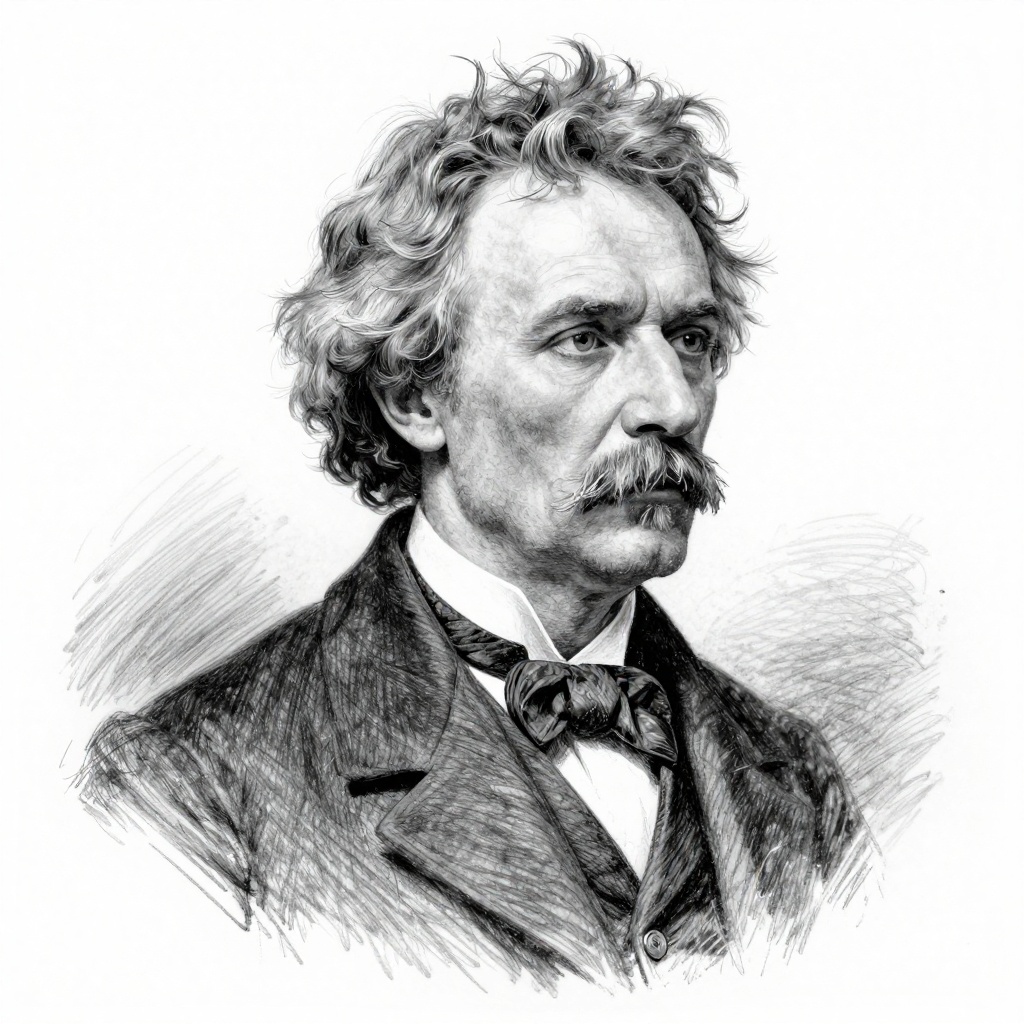
Comments