Quote · Added 16 February 2026
Work consists of whatever a body is obliged to do. Play consists of whatever a body is not obliged to do.
Filed underwork·play·obligation
Quote · Added 16 February 2026
Filed underwork·play·obligation
There's something almost too simple about this distinction until you apply it to your own life. By Twain's measure, a parent making breakfast for kids is work, but building a treehouse with them is play—even though the second might exhaust you just as much. The difference isn't effort or difficulty. It's obligation. It's whether you'd do it if nobody was forcing you.
What makes this insight stick is how it cuts through our modern confusion about fulfillment. We talk obsessively about "doing what you love" and "turning passion into a career," but Twain suggests something almost harder: the moment someone has to do something, the experience fundamentally changes. You can love playing guitar and hate teaching guitar, even though they're technically the same skill. The obligation transforms it.
This matters because it helps explain why burnout feels different from tiredness. You can play a sport for six hours and feel alive. Work the same six hours at something required and feel hollowed out. The real question isn't whether you enjoy the activity—it's whether you've surrendered the choice. Once obligation enters, something irreplaceable leaves.
1835–1910·lived 74 years
Mark Twain was an American writer and humorist known for his classic novels "Adventures of Huckleberry Finn" and "The Adventures of Tom Sawyer." His works often reflected his wit, satire, and keen observations on American society, solidifying his place as one of the greatest American authors of all time.
Also by Mark Twain
There are no laughs in life unless you take them yourself.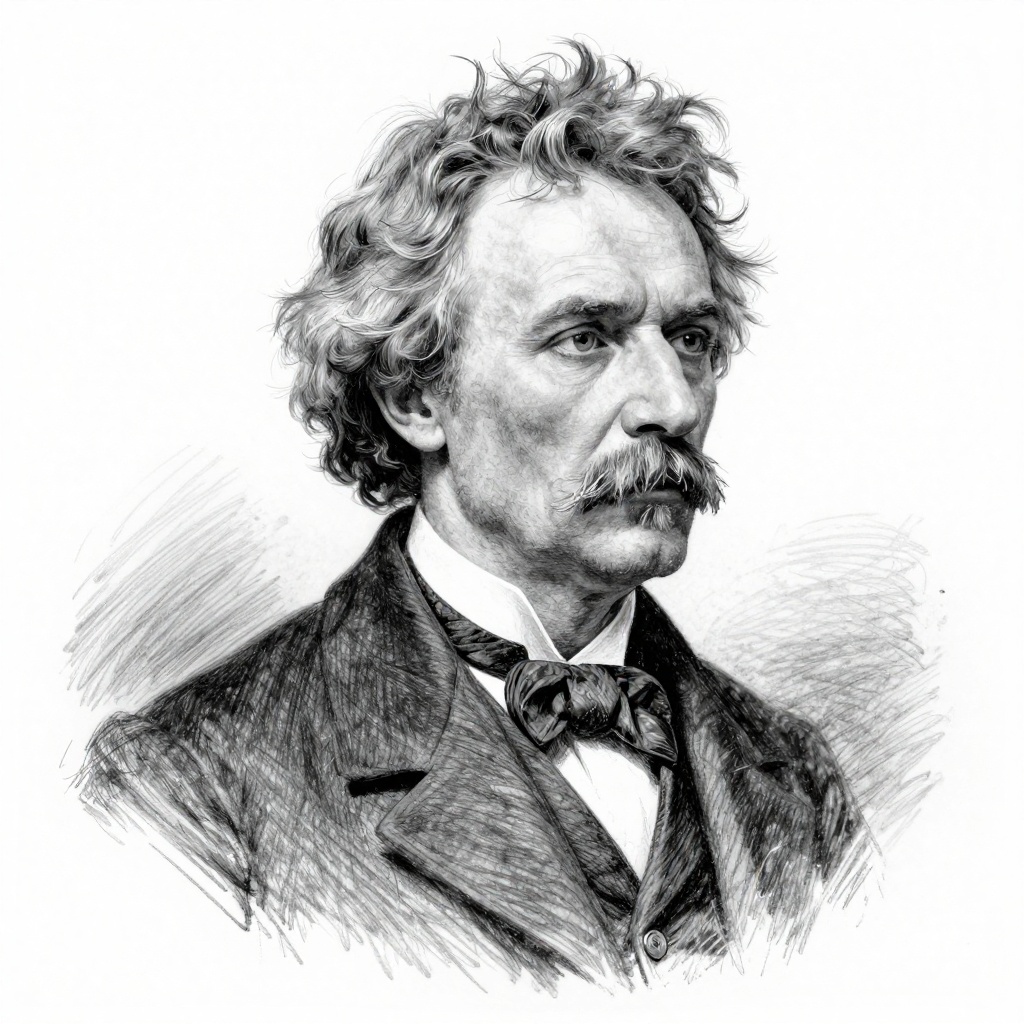
Comments