Quote · Added 17 February 2026
Reading
AI generatedRegret outlasts failure
There's something quietly brutal about this observation, because it cuts against how most of us actually feel in the moment. When we're about to do something risky or uncomfortable, the fear feels enormous and immediate. But regret? That's slow poison. It builds over years, becoming this background hum of "what if" that's harder to shake than any single failure ever was.
The reason this sticks is that failure is concrete. You tried something, it didn't work, and you can move on. But the thing you never attempted? It never gets to be anything real. It stays frozen as pure potential, which our minds have an annoying habit of inflating into something perfect. We convince ourselves we would have been good at it, that it would have mattered, that we were just waiting for the right moment. That moment never comes, and neither does the closure that actual experience brings.
What makes this especially relevant now is how easy it is to curate a safe life. We can avoid awkward conversations, skip the job application, skip telling someone how we feel—and no one even knows. There's no public failure, no embarrassment. Just the quiet certainty, years later, that we played it smaller than we needed to.
The author
All 108 quotes by Mark Twain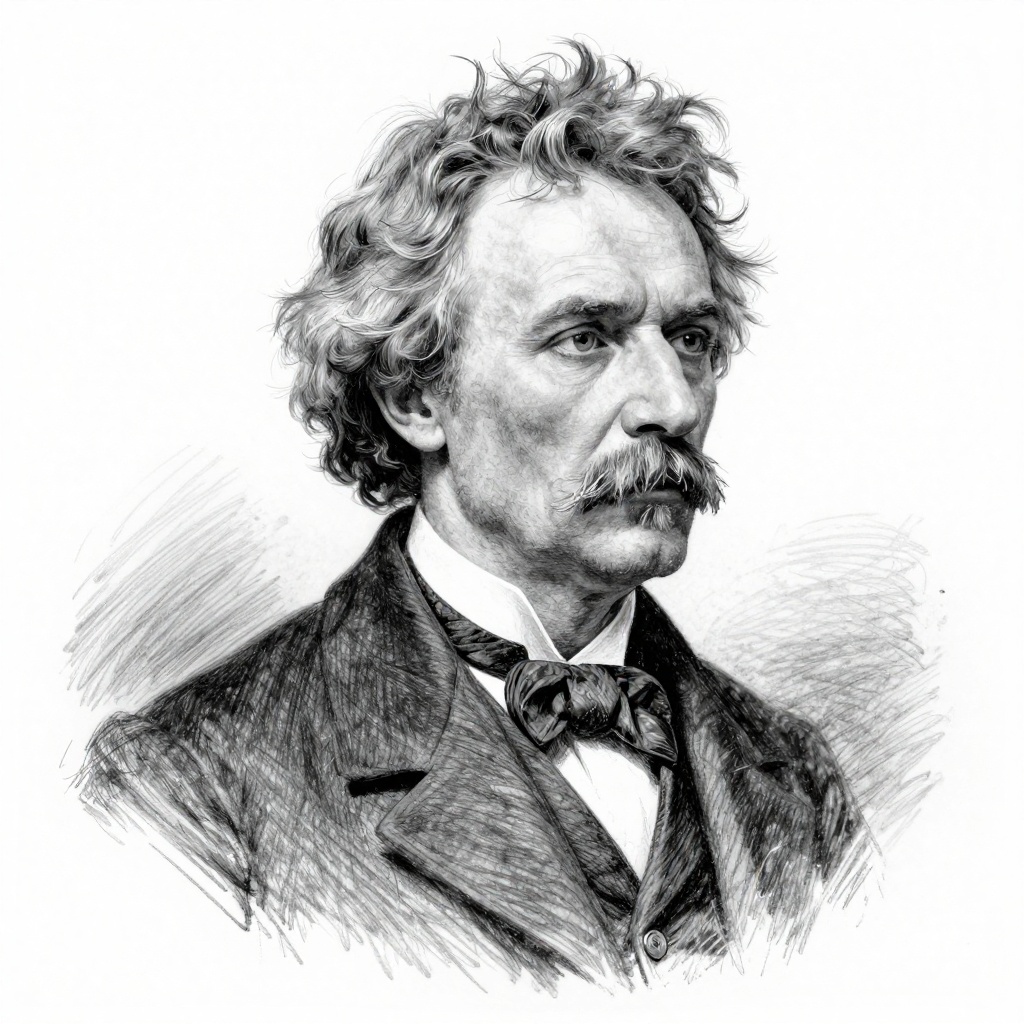
Mark Twain
1835–1910·lived 74 years
Mark Twain was an American writer and humorist known for his classic novels "Adventures of Huckleberry Finn" and "The Adventures of Tom Sawyer." His works often reflected his wit, satire, and keen observations on American society, solidifying his place as one of the greatest American authors of all time.
Also by Mark Twain
There are no laughs in life unless you take them yourself.
Comments