Quote · Added 14 February 2026
There are lies, damned lies and statistics.
Mark TwainChapters from My Autobiography, North American Review, 1907
Filed underlies·truth·perception
Quote · Added 14 February 2026
Filed underlies·truth·perception
Numbers have a strange power over us. When someone throws out a statistic, we tend to believe it more easily than a simple claim, as if the precision of digits somehow guarantees truth. But statistics are just stories told by data, and like any story, they depend entirely on who's telling them, what they chose to measure, and what they conveniently left out.
The real trick isn't that statistics lie outright—it's that they can be technically true while still being deeply misleading. A company might accurately report that 95% of customers are satisfied, but never mention they only surveyed people who bought something twice. A health study might correctly state that something increases your risk by 200%, without noting the actual baseline risk was already incredibly small. The numbers check out. The truth doesn't.
This matters more now than ever, because we're drowning in data. We see statistics scrolling past constantly, in headlines, ads, and arguments. Most of us lack the time or training to dig into methodology, margins of error, or what wasn't measured at all. The skill that's actually valuable isn't believing numbers or rejecting them—it's developing a healthy skepticism about what anyone is trying to prove, and remembering that truth is usually more complicated than any single statistic can capture.
1835–1910·lived 74 years
Mark Twain was an American writer and humorist known for his classic novels "Adventures of Huckleberry Finn" and "The Adventures of Tom Sawyer." His works often reflected his wit, satire, and keen observations on American society, solidifying his place as one of the greatest American authors of all time.
Also by Mark Twain
There are no laughs in life unless you take them yourself.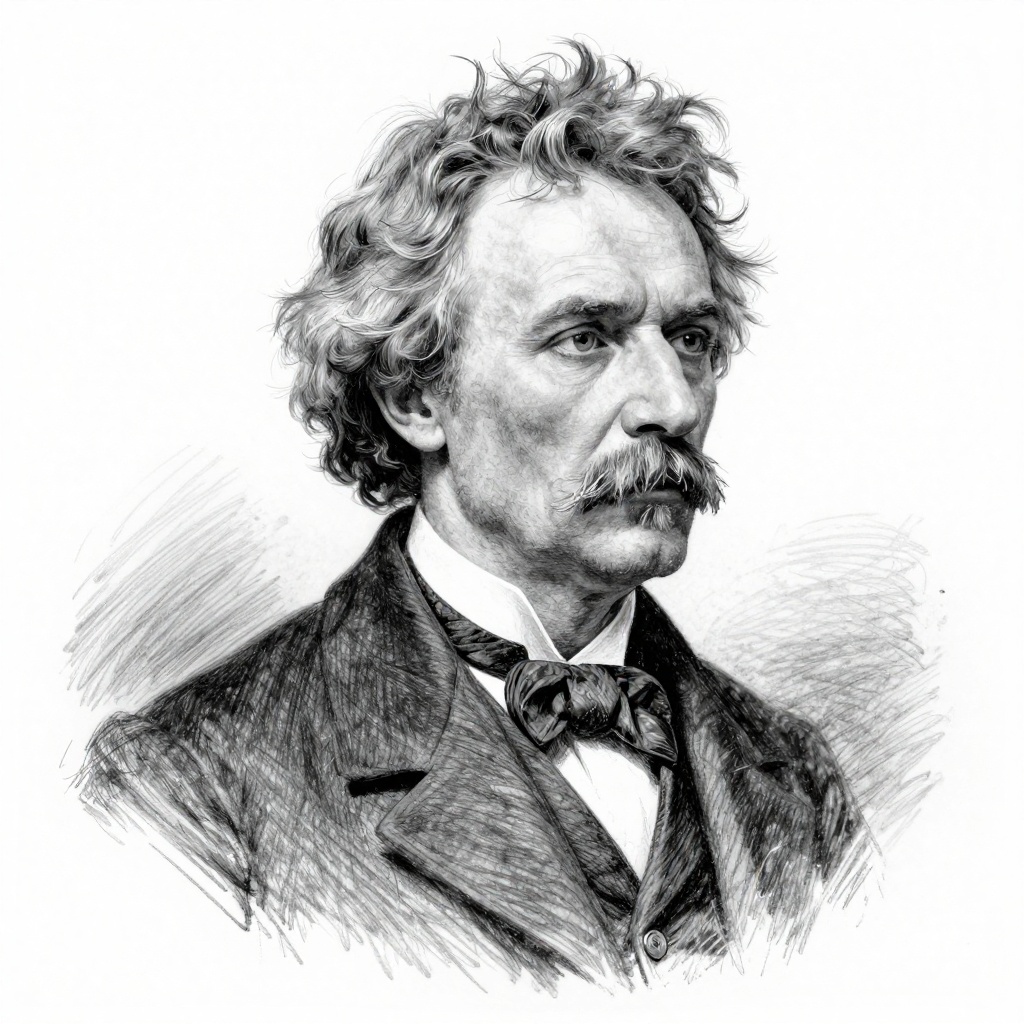
Comments