Quote · Added 9 February 2026
My mother had a great deal of trouble with me, but I think she enjoyed it.
Mark TwainThe Autobiography of Mark Twain, Vol. 1, 2010
Quote · Added 9 February 2026
There's something liberating in imagining that the people who raised us might have actually enjoyed the chaos we created. Mark Twain captures something parents rarely admit out loud—that raising difficult kids isn't just a burden to endure, it's often the most interesting part of their lives. The troublemaking, the boundary-testing, the unexpected comebacks—these become the stories they tell later, the moments they remember with a certain wry fondness.
This shifts how we might think about our own rebellious phases. Instead of pure guilt about the worry we caused, there's room for the idea that our parents were genuinely entertained by us, that our personalities—even the difficult parts—made their lives fuller somehow. It's why parents of grown children often seem more amused than resentful about past chaos. The trouble was never really the problem. Boredom would have been.
There's also a practical wisdom here about parenting and relationships generally. The people worth keeping around aren't the ones who tolerate us—they're the ones who find genuine pleasure in our complexity, who laugh at what frustrates them. Twain's joke about his mother suggests that real love includes a kind of appreciative humor about the other person's nature, trouble and all. That's a relationship worth having.
1835–1910·lived 74 years
Mark Twain was an American writer and humorist known for his classic novels "Adventures of Huckleberry Finn" and "The Adventures of Tom Sawyer." His works often reflected his wit, satire, and keen observations on American society, solidifying his place as one of the greatest American authors of all time.
Also by Mark Twain
There are no laughs in life unless you take them yourself.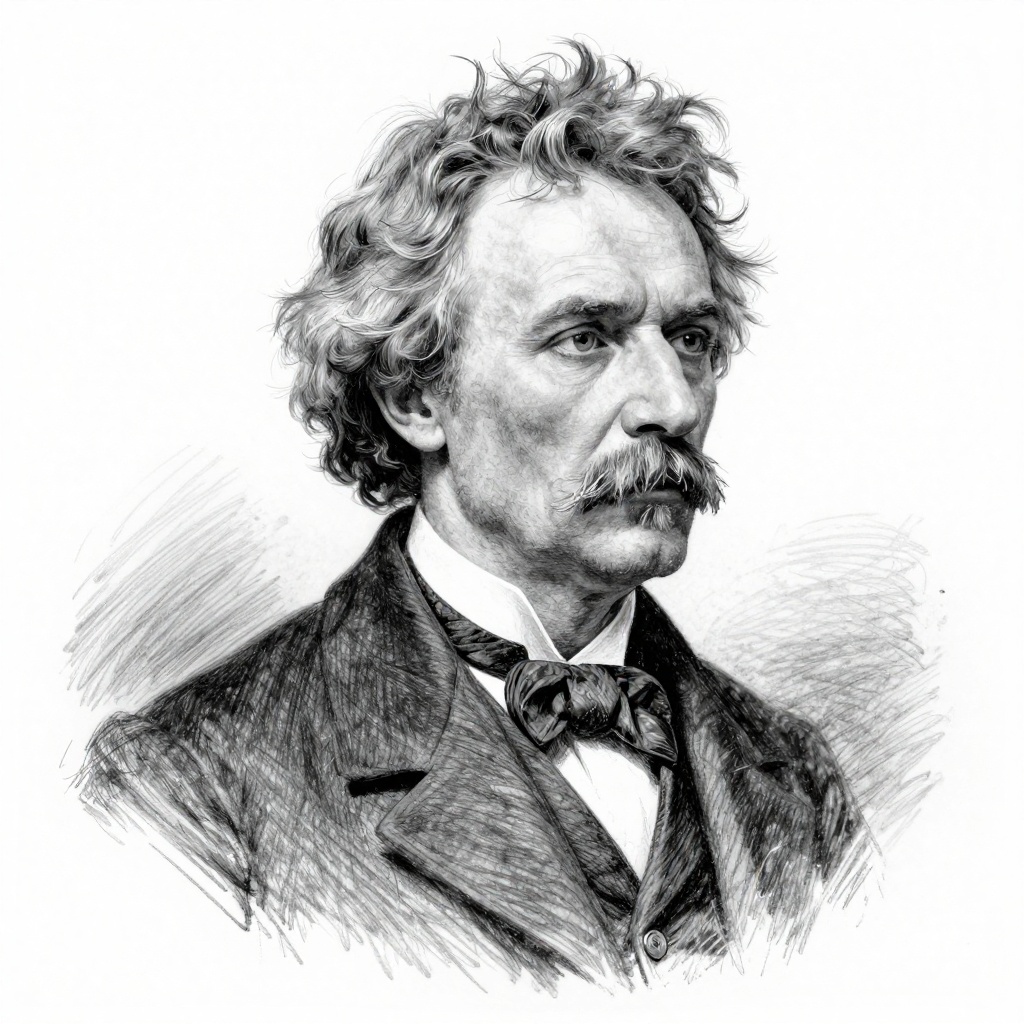
Comments