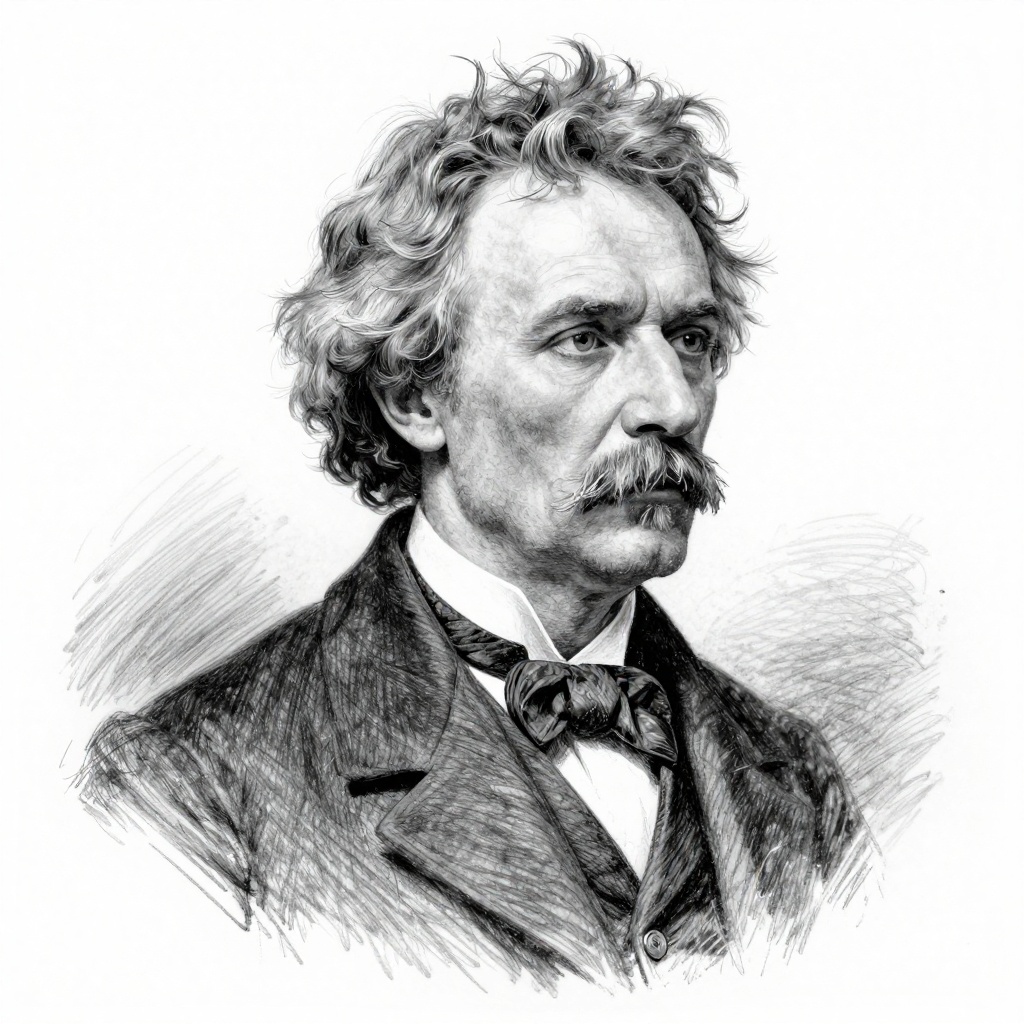
Life would be infinitely happier if we could only be born at the age of eighty and gradually approach eighteen... — Mark Twain

Life would be infinitely happier if we could only be born at the age of eighty and gradually approach eighteen.

Author: Mark Twain

Insight: There's something appealing about this backwards life idea because it points to a real problem we all feel: we waste our youth not knowing how to use it. When you're twenty-five with energy, health, and freedom, you're often too anxious or confused to actually enjoy it. You're still figuring out who you are, worried about making the "right" choices, scared of failure. Meanwhile, an eighty-year-old has the wisdom and self-knowledge that would transform that same twenty-five-year-old's experience—but no knees to hike on. The twist is that Twain isn't really suggesting we need a time machine. He's pointing out that we chase the wrong things at each stage. We spend our peak physical years stressed about building something, and our later years finally relaxed enough to enjoy a sunset. The real insight is that we could borrow some of that eighty-year-old wisdom right now—the perspective that most things won't matter, that presence matters more than productivity, that you're probably doing fine. You can't rewind to your youth with eighty-year-old eyes, but you can stop waiting until you're eighty to think like one. That's the part of Twain's idea actually worth taking seriously.

Source: Mark Twain's Notebook, 1902-1903

Wisdom arrives too late for youth

Life would be infinitely happier if we could only be born at the age of eighty and gradually approach eighteen.

Mark TwainMark Twain's Notebook, 1902-1903

There's something appealing about this backwards life idea because it points to a real problem we all feel: we waste our youth not knowing how to use it. When you're twenty-five with energy, health, and freedom, you're often too anxious or confused to actually enjoy it. You're still figuring out who you are, worried about making the "right" choices, scared of failure. Meanwhile, an eighty-year-old has the wisdom and self-knowledge that would transform that same twenty-five-year-old's experience—but no knees to hike on.

The twist is that Twain isn't really suggesting we need a time machine. He's pointing out that we chase the wrong things at each stage. We spend our peak physical years stressed about building something, and our later years finally relaxed enough to enjoy a sunset. The real insight is that we could borrow some of that eighty-year-old wisdom right now—the perspective that most things won't matter, that presence matters more than productivity, that you're probably doing fine.

You can't rewind to your youth with eighty-year-old eyes, but you can stop waiting until you're eighty to think like one. That's the part of Twain's idea actually worth taking seriously.

AI generated

Comments

Sign in to leave a comment or reply to one.

Sign in

Mark Twain

Mark Twain was an American writer and humorist known for his classic novels "Adventures of Huckleberry Finn" and "The Adventures of Tom Sawyer." His works often reflected his wit, satire, and keen observations on American society, solidifying his place as one of the greatest American authors of all time.

Graph

Related