Quote · Added 14 February 2026
I am an old man and have known a great many troubles, but most of them never happened.
Mark TwainMemories of Mark Twain, The Saturday Evening Post, 2016
Filed undertroubles·wisdom·reflection
Quote · Added 14 February 2026
Filed undertroubles·wisdom·reflection
We spend enormous mental energy on problems that never arrive. You lie awake at 2 AM worried about a conversation that might go badly, or imagining ways your project could fail, or constructing elaborate scenarios where everything falls apart. Then morning comes and none of it happens. Life moves forward. The trouble existed only in your head, yet it felt completely real while you were in it.
The weird part is that we rarely learn this lesson permanently. Even after years of watching our worst-case scenarios fail to materialize, we still do it. We still catastrophize. There's something about human anxiety that doesn't seem to learn from evidence. Maybe it's actually useful sometimes—that worry might occasionally make us more careful, more prepared. But mostly it just steals today's peace in exchange for protecting against tomorrow's imaginary disasters.
The recognition Twain captures is almost mundane but also radical: if you're carrying a heavy load of dread right now, there's a decent chance you're carrying weight that won't ever actually need to be carried. Not because you're being foolish, but because that's how human minds work. The question isn't whether you'll worry—you will. It's whether you can notice when you're doing it, and gently remind yourself that this particular trouble might be like all the others.
1835–1910·lived 74 years
Mark Twain was an American writer and humorist known for his classic novels "Adventures of Huckleberry Finn" and "The Adventures of Tom Sawyer." His works often reflected his wit, satire, and keen observations on American society, solidifying his place as one of the greatest American authors of all time.
Also by Mark Twain
There are no laughs in life unless you take them yourself.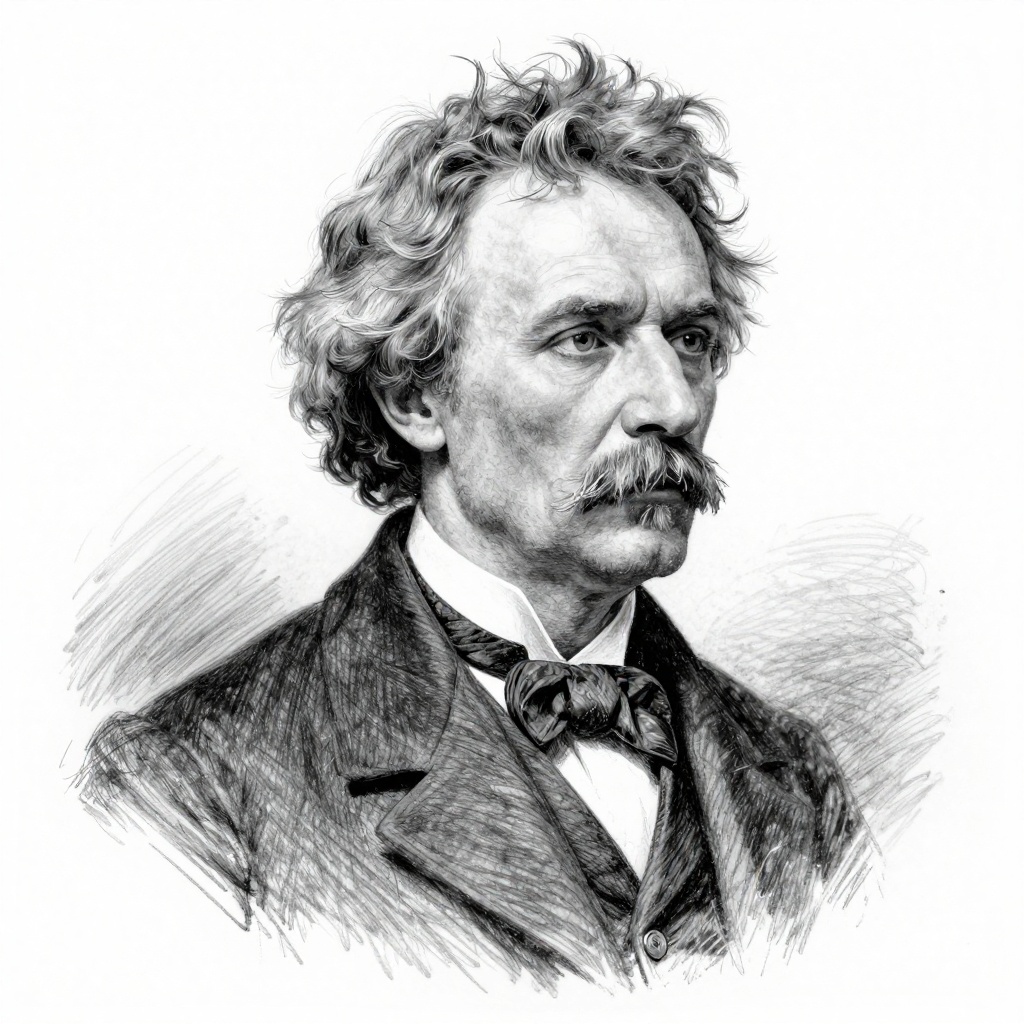
Comments