Quote · Added 14 February 2026
Honesty is the best policy - when there is money in it.
Mark TwainThe Mysterious Stranger, 1916
Quote · Added 14 February 2026
We like to think honesty is this pure virtue that stands on its own, but Twain cuts right to an uncomfortable truth: most of us are honest when it's convenient or profitable, and considerably less so when it costs us something. This isn't a cynical observation so much as a realistic one. We tell ourselves we value integrity while simultaneously understanding exactly why someone might fudge their resume, exaggerate their qualifications, or leave out the detail that makes them look bad.
The real sting of this quote is that it exposes the gap between who we think we are and how we actually behave. We're perfectly capable of being principled—right up until integrity starts to feel expensive. A coworker can be brutally honest about someone else's mistakes but mysteriously vague about their own. We applaud whistleblowers in other industries but worry about rocking the boat in our own.
The trick Twain is pointing out isn't that honesty is worthless—it's that it's only as strong as our commitment to it when there's actual pressure. The people who surprise us are those rare ones who stay honest even when lying would clearly pay off better. That's when you know it's not just a policy. It's actually a principle.
1835–1910·lived 74 years
Mark Twain was an American writer and humorist known for his classic novels "Adventures of Huckleberry Finn" and "The Adventures of Tom Sawyer." His works often reflected his wit, satire, and keen observations on American society, solidifying his place as one of the greatest American authors of all time.
Also by Mark Twain
There are no laughs in life unless you take them yourself.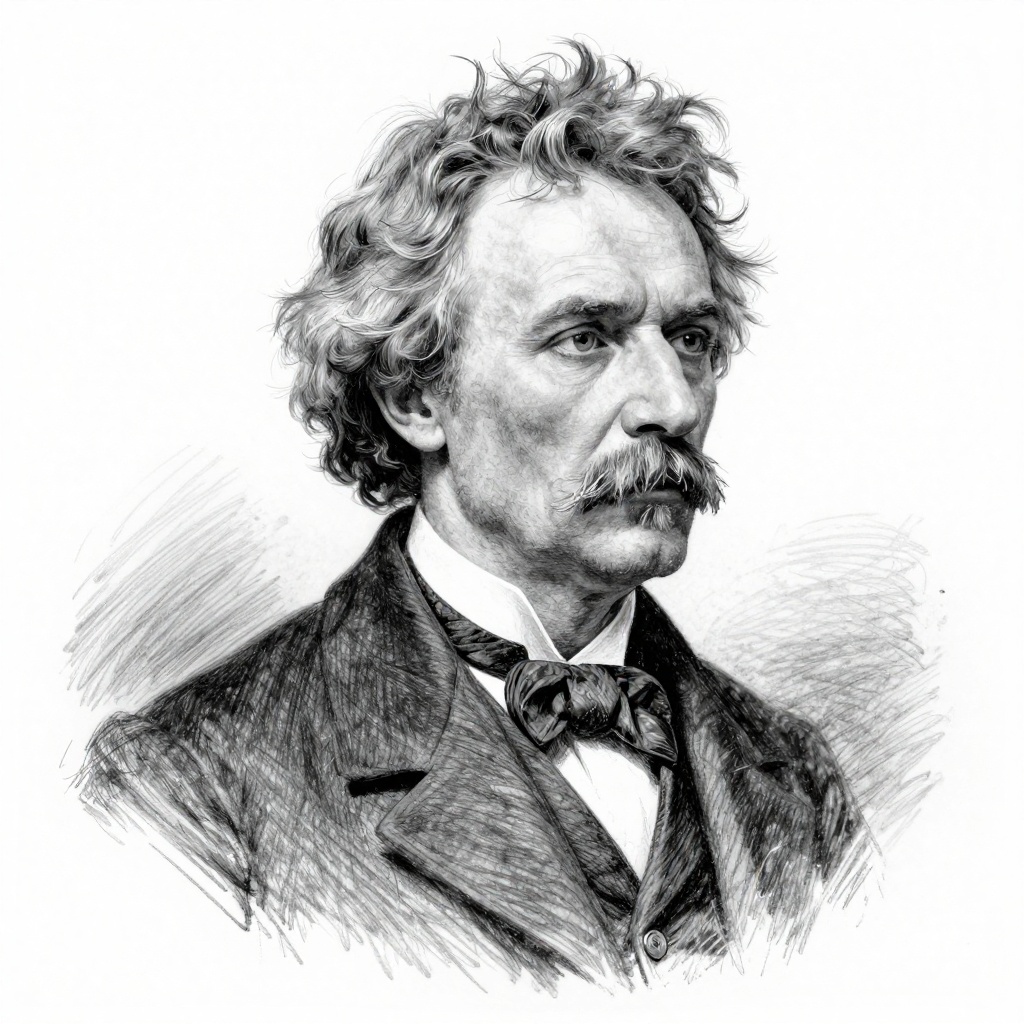
Comments