Quote · Added 14 February 2026
Be careful about reading health books. You may die of a misprint.
Mark TwainThe danger of health books, BMJ, 2002
Quote · Added 14 February 2026
The internet has made this joke uncomfortably literal. We're drowning in health information now—contradictory studies, wellness trends that flip every few years, social media accounts presenting themselves as authorities. It's easy to find a source backing up almost any claim, which means we end up second-guessing reasonable advice or chasing solutions that sound scientific but aren't. One bad interpretation of a study, one misremembered statistic, and suddenly you're convinced that something harmless is dangerous or vice versa.
But there's a flip side worth noting: the real risk isn't usually the misprint itself—it's our tendency to treat any published information as gospel. We skip the messy work of asking basic questions: Who wrote this? What's their incentive? Is this one study or a pattern? Are they selling something? Health anxiety often thrives when we treat fragmentary information as complete truth, then spiral trying to interpret it.
The deeper point Twain is making holds up perfectly: information without wisdom can hurt you. It's not that you shouldn't read about health. It's that you should read skeptically, talk to people you actually trust, and remember that authoritative-sounding writing doesn't guarantee accuracy. The best protection isn't avoiding information—it's developing a healthy skepticism about what you read.
1835–1910·lived 74 years
Mark Twain was an American writer and humorist known for his classic novels "Adventures of Huckleberry Finn" and "The Adventures of Tom Sawyer." His works often reflected his wit, satire, and keen observations on American society, solidifying his place as one of the greatest American authors of all time.
Also by Mark Twain
There are no laughs in life unless you take them yourself.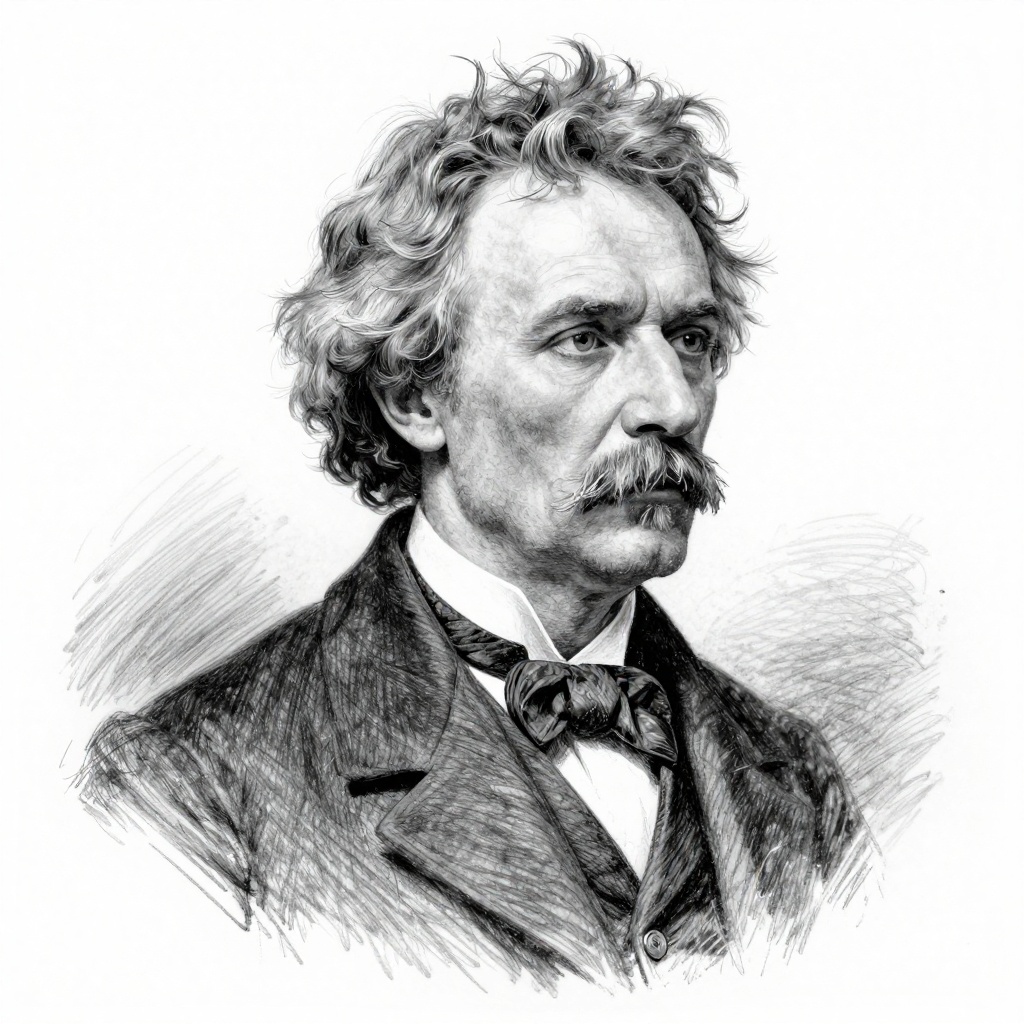
Comments