Quote · Added 14 February 2026
Age is an issue of mind over matter. If you don't mind, it doesn't matter.
Filed underage·mindset·perspective
Quote · Added 14 February 2026
Filed underage·mindset·perspective
There's something almost rebellious about this idea—the suggestion that how old you feel might matter more than the number itself. We live in a culture obsessed with age markers: when you should accomplish things, what's "appropriate" at different stages, the invisible expiration dates we put on possibility. But Twain is pointing at something real: the moment you accept that you're "too old" for something, that acceptance becomes the actual barrier, not your body or your circumstances.
The trick is that this isn't pure wishful thinking. Someone at sixty who stays curious, tries new things, and refuses to rehearse their own decline genuinely experiences life differently than someone who mentally checked out at forty. But there's also a non-obvious flip side—Twain isn't saying age doesn't matter at all. He's saying the mental relationship you have with it can override the physical reality more than we typically admit. A thirty-year-old paralyzed by the fear of aging already has the mindset of someone old. Meanwhile, someone genuinely engaged in living, learning, and creating can sidestep much of what we associate with aging, at least in how they move through the world.
The real power isn't pretending your knees don't hurt. It's refusing to let the number determine what's still possible.
1835–1910·lived 74 years
Mark Twain was an American writer and humorist known for his classic novels "Adventures of Huckleberry Finn" and "The Adventures of Tom Sawyer." His works often reflected his wit, satire, and keen observations on American society, solidifying his place as one of the greatest American authors of all time.
Also by Mark Twain
There are no laughs in life unless you take them yourself.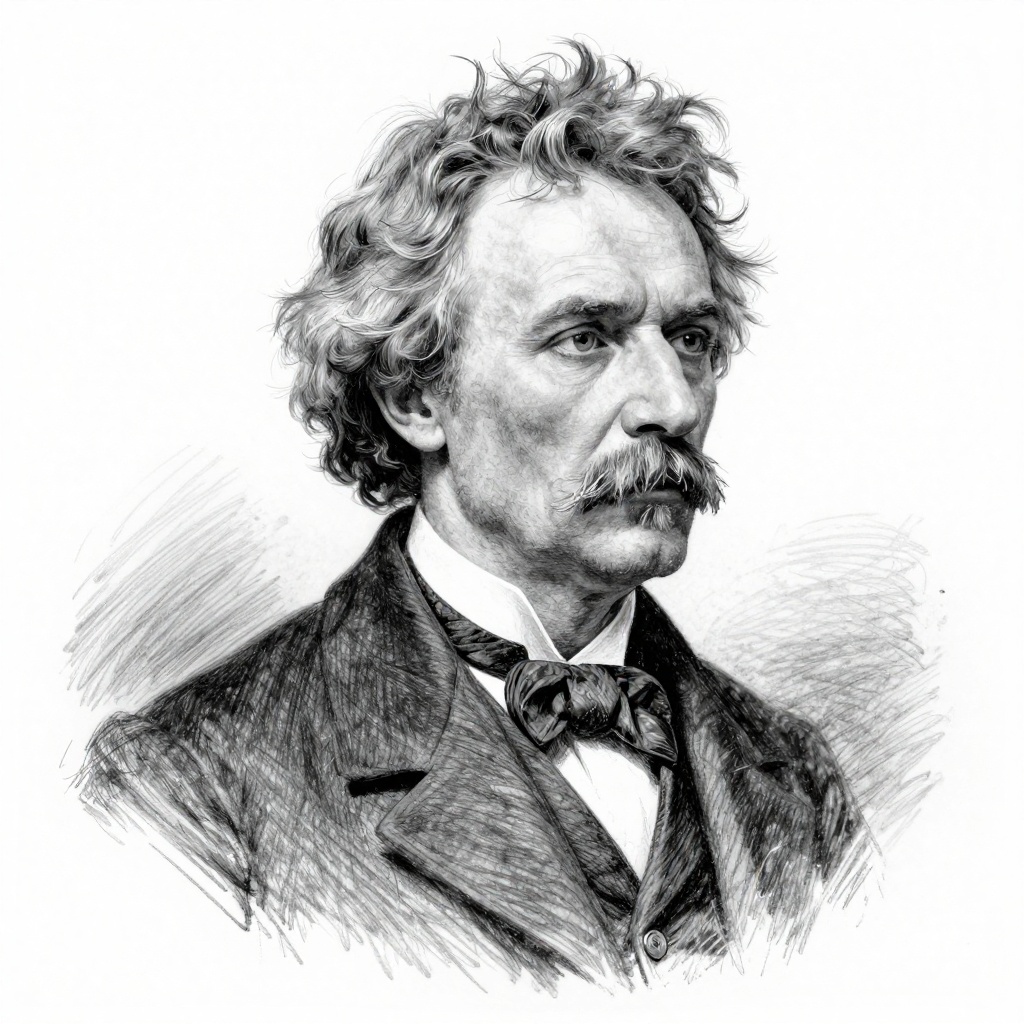
Comments