Quote · Added 14 February 2026
Action speaks louder than words but not nearly as often.
Mark Twain' — The Socratic Method
Filed underaction·communication·honesty
Quote · Added 14 February 2026
Filed underaction·communication·honesty
We live in an age that makes talk absurdly easy—texts, emails, posts, and constant performance. It's never been simpler to declare your values, announce your plans, or promise change. And yet Twain's observation cuts right through all that noise. Most of us are far better at saying what we'll do than actually doing it. We commit to the gym on Monday, claim we're "trying to eat better," promise we'll call an old friend. The words feel genuine in the moment, which is partly why we believe them.
But here's what makes this sting: the gap between our words and actions isn't usually about dishonesty. It's about attention. Actions require sustained effort, uncomfortable choices, and the willingness to fail quietly. Words require only intention. So we default to words because they're cheaper. We tell ourselves that thinking about something counts as progress. We confuse wanting to be a certain kind of person with actually being that person.
The quieter truth Twain hints at is that the people we actually trust and respect aren't the ones with the best intentions—they're the ones who show up consistently without announcing it. They don't need to tell you they're reliable because you've already noticed.
1835–1910·lived 74 years
Mark Twain was an American writer and humorist known for his classic novels "Adventures of Huckleberry Finn" and "The Adventures of Tom Sawyer." His works often reflected his wit, satire, and keen observations on American society, solidifying his place as one of the greatest American authors of all time.
Also by Mark Twain
There are no laughs in life unless you take them yourself.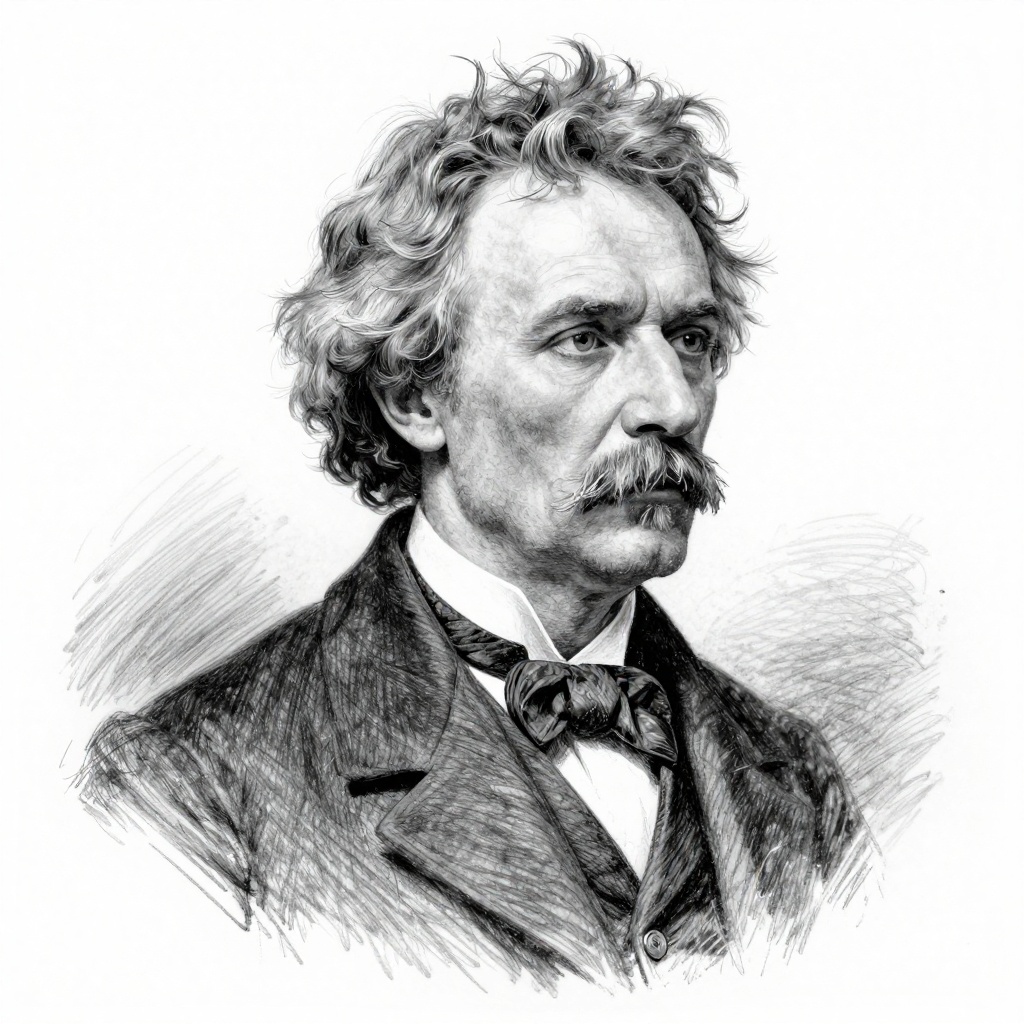
Comments