Quote · Added 8 February 2026
In youth we learn; in age we understand.
Marie von Ebner-EschenbachAphorisms, p. 45, 1920
No ratings yet
Quote · Added 8 February 2026
There's a real difference between collecting information and actually grasping what it means. When you're young, you're absorbing—rules, facts, techniques, what people tell you matters. You're building the raw material. But understanding takes time. It requires failing at something, seeing the same pattern repeat across different situations, or suddenly realizing why someone gave you advice you dismissed years earlier.
The tricky part is that understanding can feel invisible. You might not notice it happening. You'll be facing a familiar problem and realize you no longer panic—you already know how this tends to work out, what usually helps, which worries are worth the energy. That's understanding settling in quietly. It's not dramatic like learning something new, so we often undervalue it.
This matters today because we're obsessed with constant learning—new skills, new information, staying ahead. But there's something valuable in simply living long enough with what you know to actually understand it. The people who seem wisest aren't always the ones who know the most. They're often the ones who've sat with their knowledge long enough to see its real shape, its limits, and what it actually means when the theoretical meets real life.
1830–1916·lived 85 years
Marie von Ebner-Eschenbach (1830-1916) was an Austrian writer known for her novels and short stories. She is celebrated for her psychological insights and realistic portrayals of life in 19th-century Austria. Von Ebner-Eschenbach's works often explore social issues, human relationships, and the complexities of the human mind.
Also by Marie von Ebner-Eschenbach
Not what we experience, but how we perceive what we experience, determines our fate.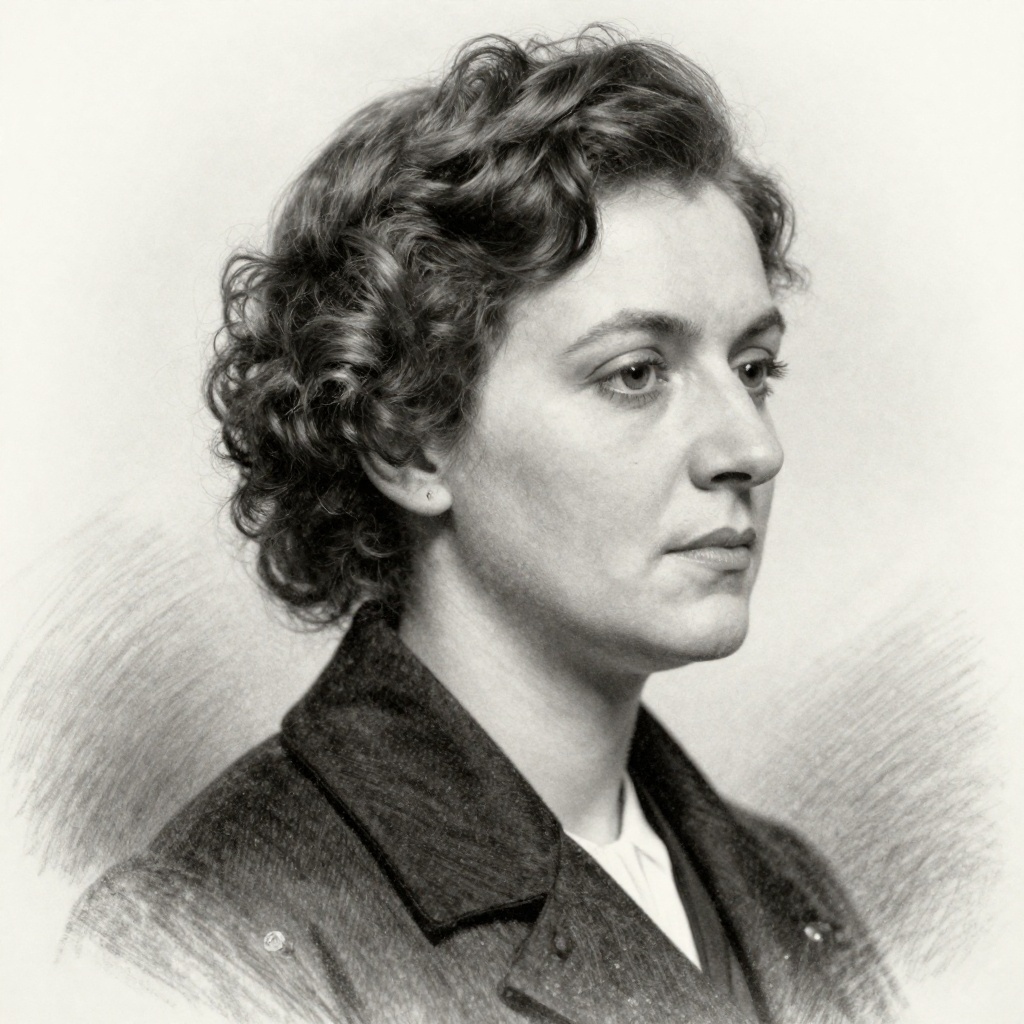
Comments