Quote · Added 24 April 2024
We don't receive wisdom; we must discover it for ourselves after a journey that no one can take for us or spare us.
Marcel ProustIn the Shadow of Young Girls in Flower, 1919
No ratings yet
Quote · Added 24 April 2024
There's something almost uncomfortable about this idea at first. We live in an age where wisdom seems packaged and available—podcasts, self-help books, mentors ready to tell us what they've learned. Yet Proust suggests that none of that really counts as wisdom for you, not yet. The actual knowledge has to be earned through your own friction with life.
This shows up constantly in small ways. You can watch someone struggle with the same relationship pattern repeatedly and think you see the answer clearly from the outside. But they won't genuinely understand it until they've felt the consequences themselves, made the mistake again, sat with the discomfort long enough. The wisdom isn't in the information; it's in the particular wearing away that happens when it's your own life at stake.
There's something oddly freeing in accepting this. It means you don't have to have everything figured out yet, and neither does anyone else. The mess and the mistakes aren't detours from wisdom—they're literally the only path toward it. That also means the advice you're giving others, however well-intentioned, might not stick. They have to walk their own distance. So does everyone.
1871–1922·lived 51 years
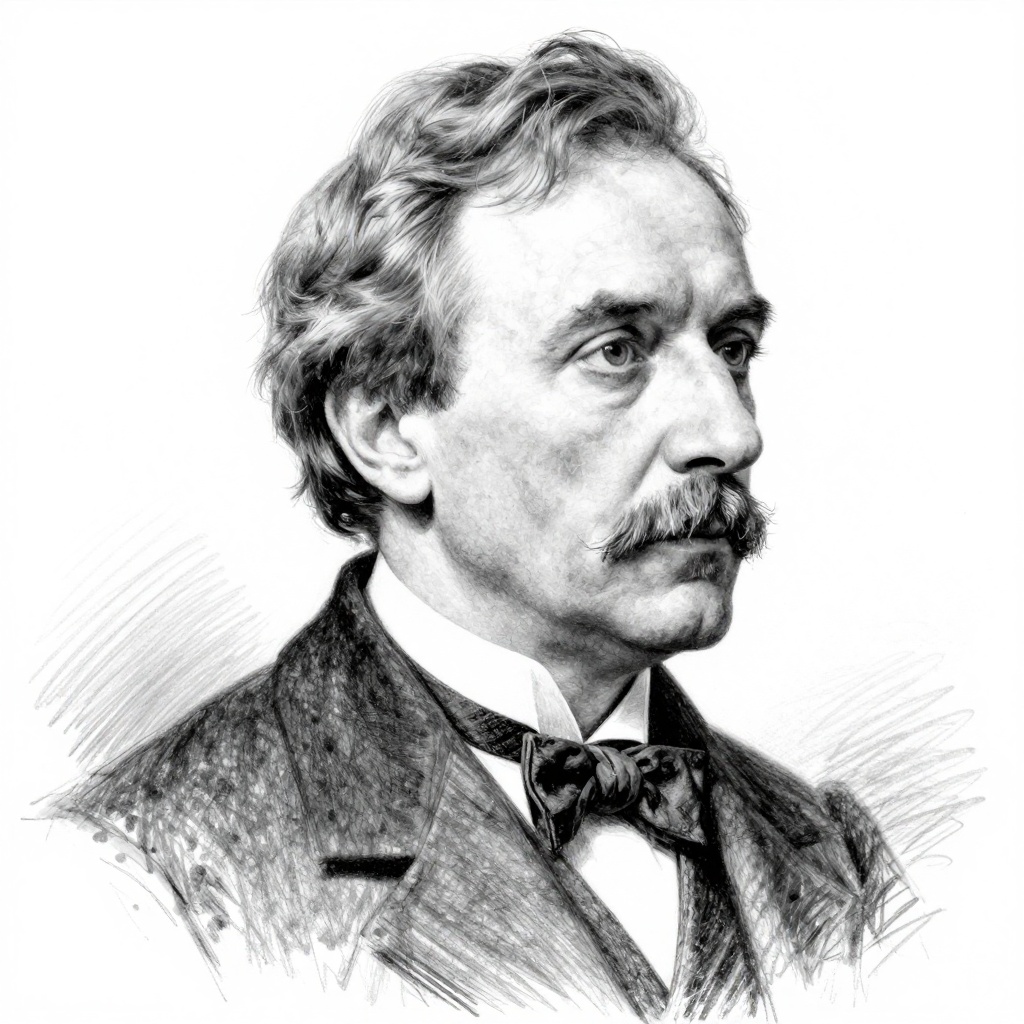
Marcel Proust (1871–1922) was a French novelist, critic, and essayist known for his monumental work "In Search of Lost Time" (À la recherche du temps perdu). His exploration of memory, time, and human nature through intricate prose and vivid detail has cemented him as one of the most influential figures in 20th-century literature.
Comments