Quote · Added 14 February 2026
Illness is the doctor to whom we pay most heed; to kindness, to knowledge, we make promise only; pain we obey.
Marcel ProustThe Guermantes Way, p. 123, 1920
No ratings yet
Quote · Added 14 February 2026
We live as if we have unlimited time to get our act together. We promise ourselves we'll be kinder next month, read that book, call our parents more often. But the moment we get sick—really sick—suddenly all those vague intentions crystallize. We cancel meetings. We stop scrolling. We actually rest. There's something humbling about how quickly illness cuts through our ordinary resistance.
Proust's insight cuts deeper than just pointing out that pain is an effective motivator. He's suggesting that we've got our priorities backwards. We treat kindness and learning like optional extras we'll pursue when things settle down, but they never do settle down. Meanwhile, we respond immediately to anything that hurts. What if we flipped that? What if we treated our relationships and growth the way we treat a fever—as something that demands our full, urgent attention right now, not someday?
The ironic part is that the things we finally prioritize when illness forces our hand—connection with loved ones, time for reflection, gratitude for our body—are often the exact things that build resilience and prevent future suffering. We're waiting for pain to teach us lessons that kindness and curiosity could have shown us all along.
1871–1922·lived 51 years
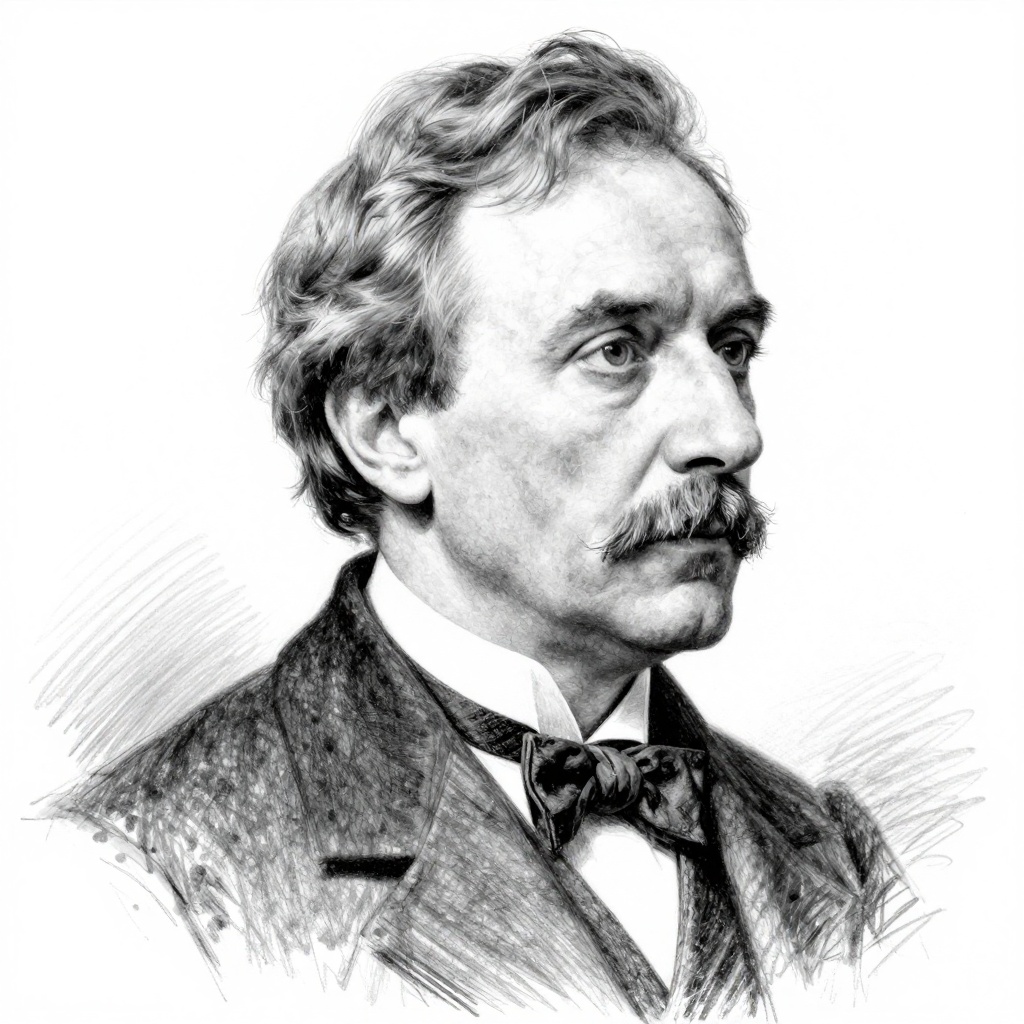
Marcel Proust (1871–1922) was a French novelist, critic, and essayist known for his monumental work "In Search of Lost Time" (À la recherche du temps perdu). His exploration of memory, time, and human nature through intricate prose and vivid detail has cemented him as one of the most influential figures in 20th-century literature.
Comments