Quote · Added 6 November 2023
The real voyage of discovery consists not in seeking new landscapes, but in having new eyes.
Marcel ProustIn Search of Lost Time, Vol. 1: Swann's Way, p. 63, 1913
No ratings yet
Filed undervoyage·discovery·perspective
Quote · Added 6 November 2023
Filed undervoyage·discovery·perspective
We spend a lot of energy chasing novelty—new places to travel, new experiences to collect, new versions of ourselves we're supposed to become. But Proust is pointing at something quieter and more powerful: the transformation that happens when you actually pay attention to what's already in front of you. That old commute, that familiar face, that book you've read before—they contain entire worlds if you approach them differently.
The tricky part is that "new eyes" isn't something you can buy or download. It requires a kind of vulnerability, a willingness to let go of your automatic judgments and see something as though for the first time. Your neighbor's garden looks different when you stop rushing past it. A conversation with someone you've known forever shifts when you listen instead of plan your response. This doesn't mean pretending things are better than they are—it means noticing the actual texture and complexity that was always there.
What makes this insight resonate now is that we're drowning in access to new landscapes while starving for real attention. We photograph stunning views we forget by morning. But if you learn to look at your ordinary life with genuine curiosity, you don't need to go anywhere. The voyage becomes internal, and that's where the real discoveries happen.
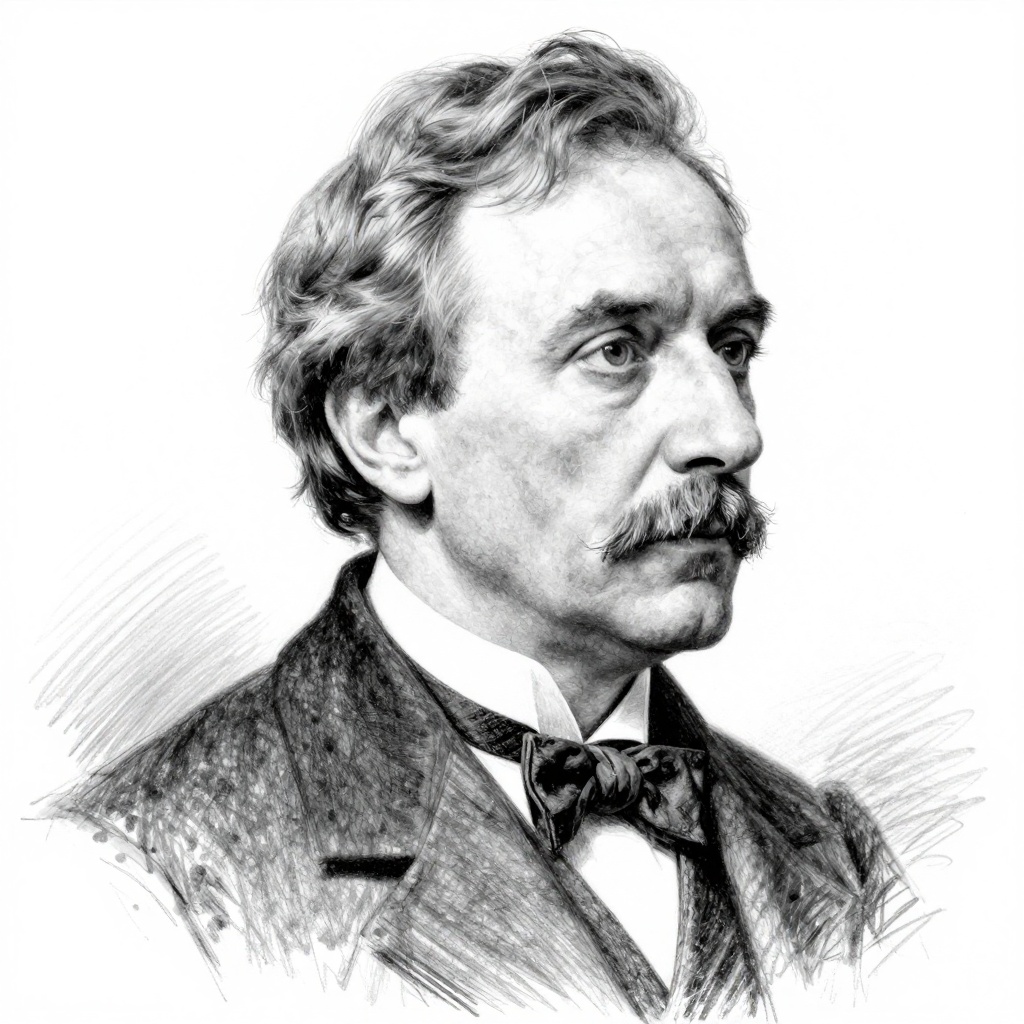
1871–1922·lived 51 years
Marcel Proust (1871–1922) was a French novelist, critic, and essayist known for his monumental work "In Search of Lost Time" (À la recherche du temps perdu). His exploration of memory, time, and human nature through intricate prose and vivid detail has cemented him as one of the most influential figures in 20th-century literature.
Comments