Quote · Added 29 September 2023
Let us be grateful to people who make us happy; they are the charming gardeners who make our souls blossom.
Marcel ProustIn Search of Lost Time, Vol. 2: Within a Budding Grove, p. 123, 1918
No ratings yet
Quote · Added 29 September 2023
There's something quietly radical about calling happy people "gardeners" of our souls. We usually think of gratitude as something we owe to people who help us in obvious ways—mentors, supporters, the ones who show up during crises. But Proust is talking about something different: the people whose mere presence makes life feel lighter, more colorful, more possible. They're not fixing us. They're just creating conditions where we naturally grow.
This matters more now than ever, maybe. We live in an age of transactional relationships, where we tend to value people based on what they solve or accomplish for us. A friend who simply makes you laugh, or who brings out your best self without trying, can feel almost too easy to take for granted. We assume they don't need our thanks because they're "just being themselves." But that's exactly the point. Their consistency, their warmth, their refusal to drag you down—that's work. That's gardening.
The non-obvious part: you probably already know who these people are for you. The twist is recognizing that you're also that person for someone else, whether you realize it or not. That person you text who always seems to feel lighter after talking to you—you're their gardener too. Gratitude flows both ways.
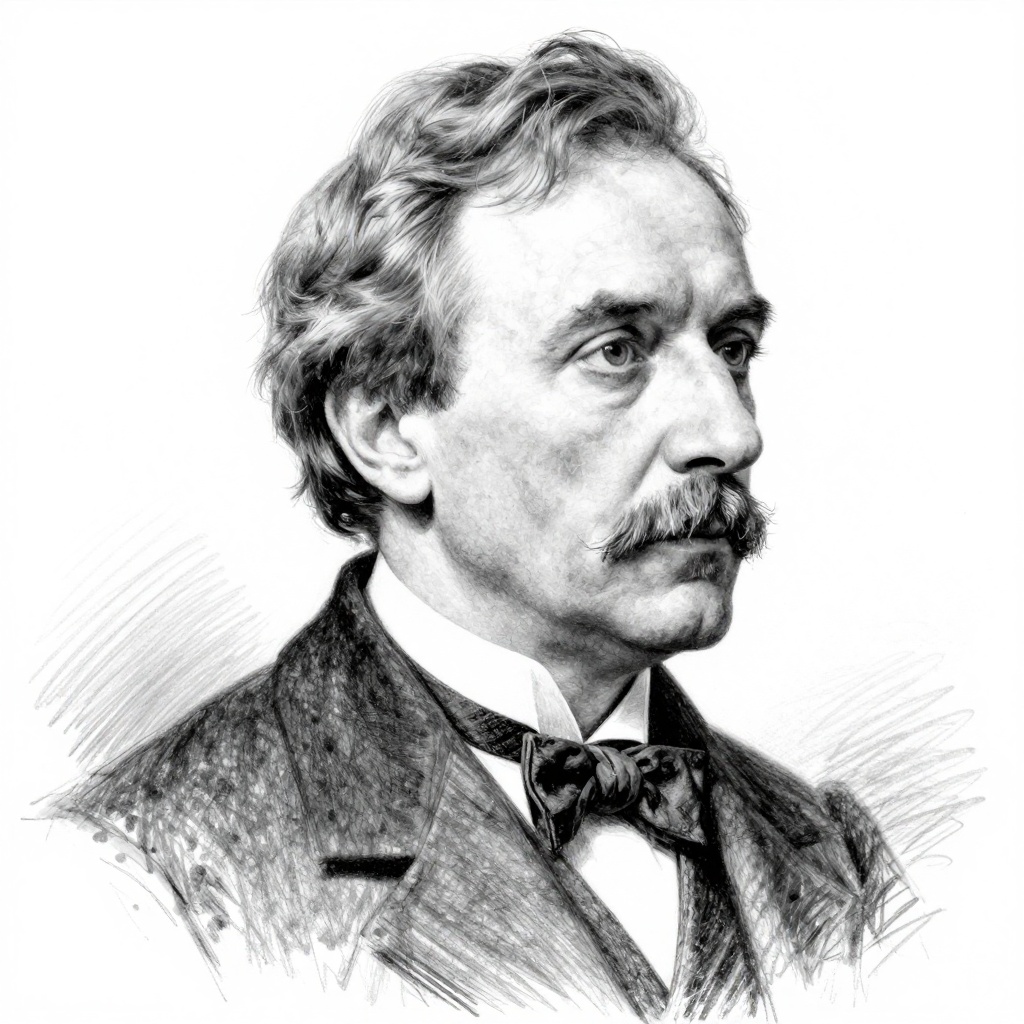
1871–1922·lived 51 years
Marcel Proust (1871–1922) was a French novelist, critic, and essayist known for his monumental work "In Search of Lost Time" (À la recherche du temps perdu). His exploration of memory, time, and human nature through intricate prose and vivid detail has cemented him as one of the most influential figures in 20th-century literature.
Comments