Quote · Added 14 February 2026
As long as men are free to ask what they must, free to say what they think, free to think what they will, freedom can never be lost and science can never regress.
No ratings yet
Quote · Added 14 February 2026
There's something almost radical about this idea in our current moment: that freedom itself isn't really about doing whatever you want, but about the specific freedoms to question, speak, and think. Proust is saying these three things are the foundation of everything else—not just democracy or progress, but the actual advancement of human knowledge and capability.
The tricky part is recognizing how easily these freedoms can erode without anyone quite noticing. It's not usually a sudden ban on speech; it's subtler. It's the atmosphere that develops when asking certain questions gets you labeled, when speaking a doubt feels professionally risky, or when groupthink becomes so comfortable that independent thinking feels almost uncomfortable. We can lose these freedoms gradually while technically still having them on paper, which is exactly why Proust's point matters so much today.
What's slightly surprising here is that he links intellectual freedom directly to science—not just to personal autonomy or politics. He's saying that once a society starts discouraging questions or punishing honest disagreement, scientific progress doesn't just slow down, it reverses. Stagnation isn't neutral; it's actively moving backward. That makes these freedoms not luxuries for free thinkers, but practical necessities for any civilization that wants to keep improving.
1871–1922·lived 51 years
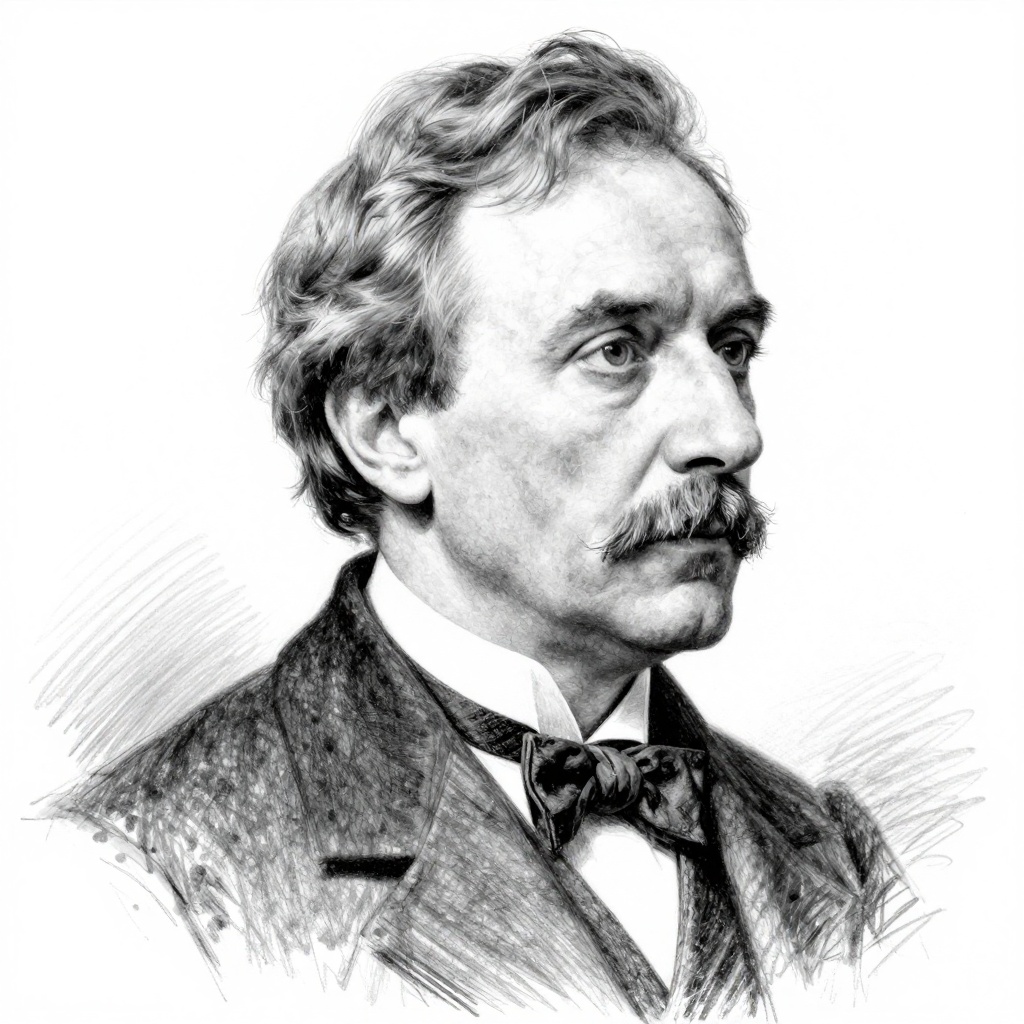
Marcel Proust (1871–1922) was a French novelist, critic, and essayist known for his monumental work "In Search of Lost Time" (À la recherche du temps perdu). His exploration of memory, time, and human nature through intricate prose and vivid detail has cemented him as one of the most influential figures in 20th-century literature.
Comments