Quote · Added 14 February 2026
Where there is love there is life.
Mahatma GandhiThe Mind of Mahatma Gandhi, p. 7, 1920
No ratings yet
Quote · Added 14 February 2026
Love is easy to romanticize but hard to pin down, which is partly why Gandhi's statement lands so differently when you sit with it. He's not talking about the flutter of new romance or the comfort of companionship—he's pointing at something more fundamental. Where there is love, he says, there is life. Not just existence, but actual vitality, growth, the difference between merely going through the motions and truly living.
Think about the people and projects you're most engaged with. There's usually something you care about there—someone who matters to you, work that feels purposeful, a community you belong to. That care is what makes you show up differently, think more creatively, push through difficulty. Without it, even a perfectly comfortable life can feel hollow. Conversely, people often report that the hardest periods of their lives—illness, loss, struggle—become bearable, even meaningful, when they're rooted in love for someone or something.
The twist is that this cuts both ways. We tend to think love is something that happens to us, a feeling that arrives. But Gandhi's equation suggests the reverse is worth considering: by choosing to love—your work, your people, your efforts—you're literally choosing to be more alive. It's not passive sentiment. It's the most active, generative force available.
1869–1948·lived 78 years
Mahatma Gandhi (1869–1948) was an Indian lawyer, anti-colonial nationalist, and political ethicist who employed nonviolent resistance to lead the successful campaign for India's independence from British rule. Known for his principle of nonviolent protest, he inspired movements for civil rights and freedom across the world.
Also by Mahatma Gandhi
Be the change you want to see in the world.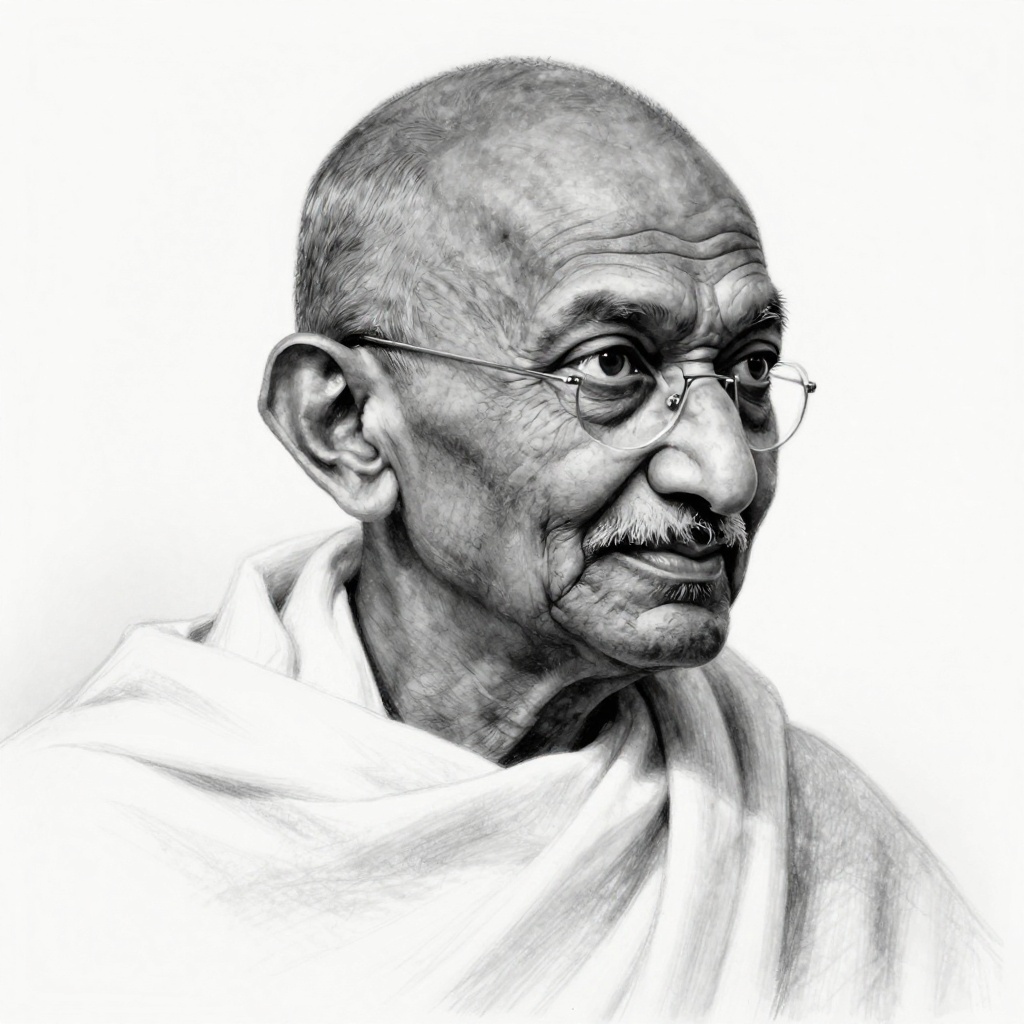
Comments