Quote · Added 26 April 2024
The future depends on what we do in the present.
Mahatma GandhiAutobiography: The Story of My Experiments with Truth
No ratings yet
Quote · Added 26 April 2024
We live in an odd moment where the future feels both impossibly far away and urgently close. Climate change, career paths, relationships—we know our choices matter, but it's easy to feel like individual actions are too small to reshape what's coming. Gandhi's point cuts through that paralysis: the future isn't some fixed thing waiting for us. It's literally being built right now, in the decisions we make today, the habits we form, the conversations we have.
This gets interesting when you realize how much of our behavior assumes the opposite. We procrastinate on hard conversations, telling ourselves we'll address things later. We skip the gym today thinking tomorrow will be different. We consume mindlessly, vote half-heartedly, or stay silent when speaking up matters—all while feeling vaguely anxious about the world we're creating. But if the future genuinely depends on present action, then that anxiety is actually useful information. It's telling us something we already know: we're not helpless observers of what comes next.
The quiet radical part is that this works both ways. The small thing you do today—reaching out to someone, starting something you've delayed, changing one habit—isn't insignificant. It's not a drop in an ocean. It's part of the architecture.
1869–1948·lived 78 years
Mahatma Gandhi (1869–1948) was an Indian lawyer, anti-colonial nationalist, and political ethicist who employed nonviolent resistance to lead the successful campaign for India's independence from British rule. Known for his principle of nonviolent protest, he inspired movements for civil rights and freedom across the world.
Also by Mahatma Gandhi
Be the change you want to see in the world.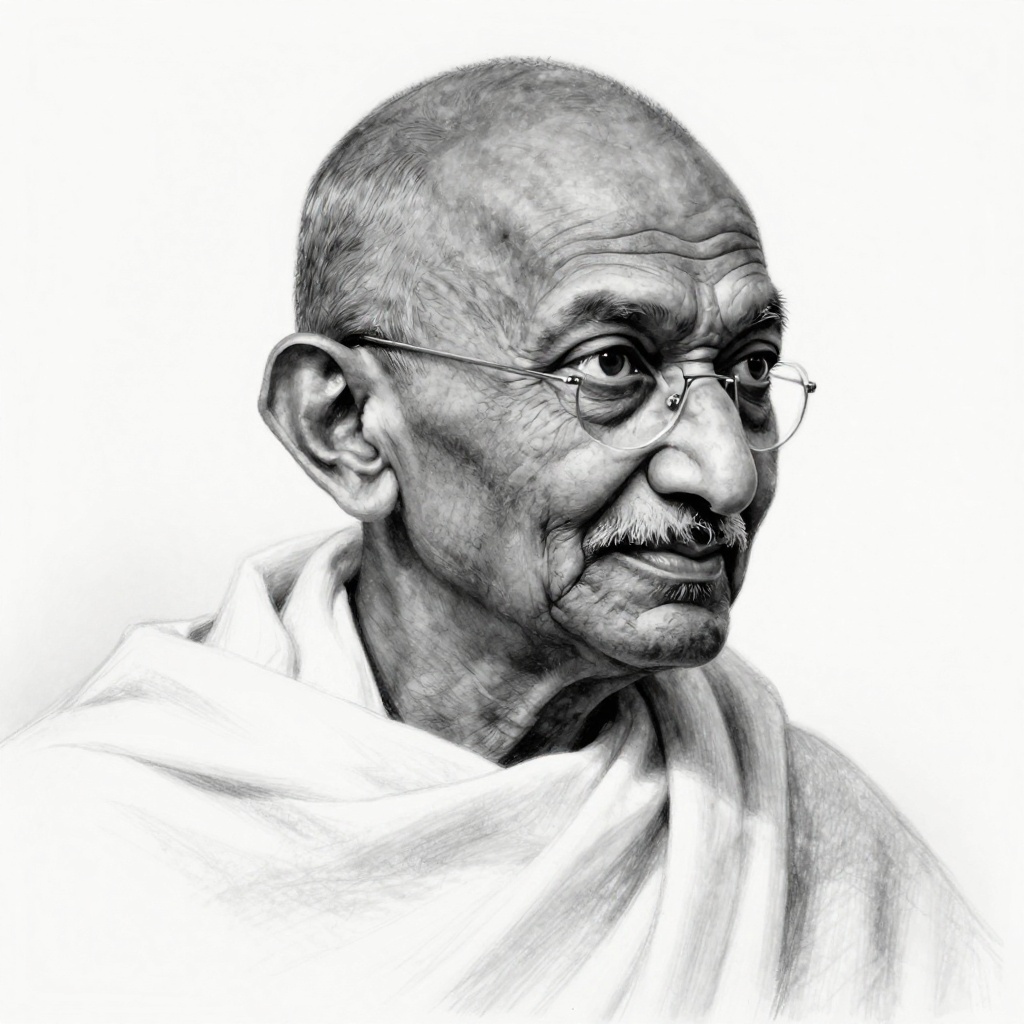
Comments