Quote · Added 14 February 2026
Live as if you were to die tomorrow. Learn as if you were to live forever.
Mahatma GandhiThe Essential Gandhi, p. 90, 2006
No ratings yet
Quote · Added 14 February 2026
There's a useful tension baked into this quote that most motivational advice skips over. The first part—live like you're dying tomorrow—sounds like "go skydiving and quit your job." But paired with the second part, it actually means something more grounded: stop postponing the conversations that matter, the time with people you love, the small joys you keep putting off. It's about urgency without recklessness.
The learning part is where it gets interesting. While everyone's chasing the next productivity hack, Gandhi's pointing at something slower and steadier: curiosity as a lifelong practice. Not learning to get ahead or impress people, but learning because understanding the world is its own reward. This split between how you live and how you grow reveals something true about humans—we need both the spark of immediacy and the patience of someone building something that lasts.
The real insight is that these two things aren't contradictory. When you live with presence and intention, you naturally become more curious. And when you stay genuinely interested in learning, you're less likely to waste today on things that don't actually matter to you. They reinforce each other.
1869–1948·lived 78 years
Mahatma Gandhi (1869–1948) was an Indian lawyer, anti-colonial nationalist, and political ethicist who employed nonviolent resistance to lead the successful campaign for India's independence from British rule. Known for his principle of nonviolent protest, he inspired movements for civil rights and freedom across the world.
Also by Mahatma Gandhi
Be the change you want to see in the world.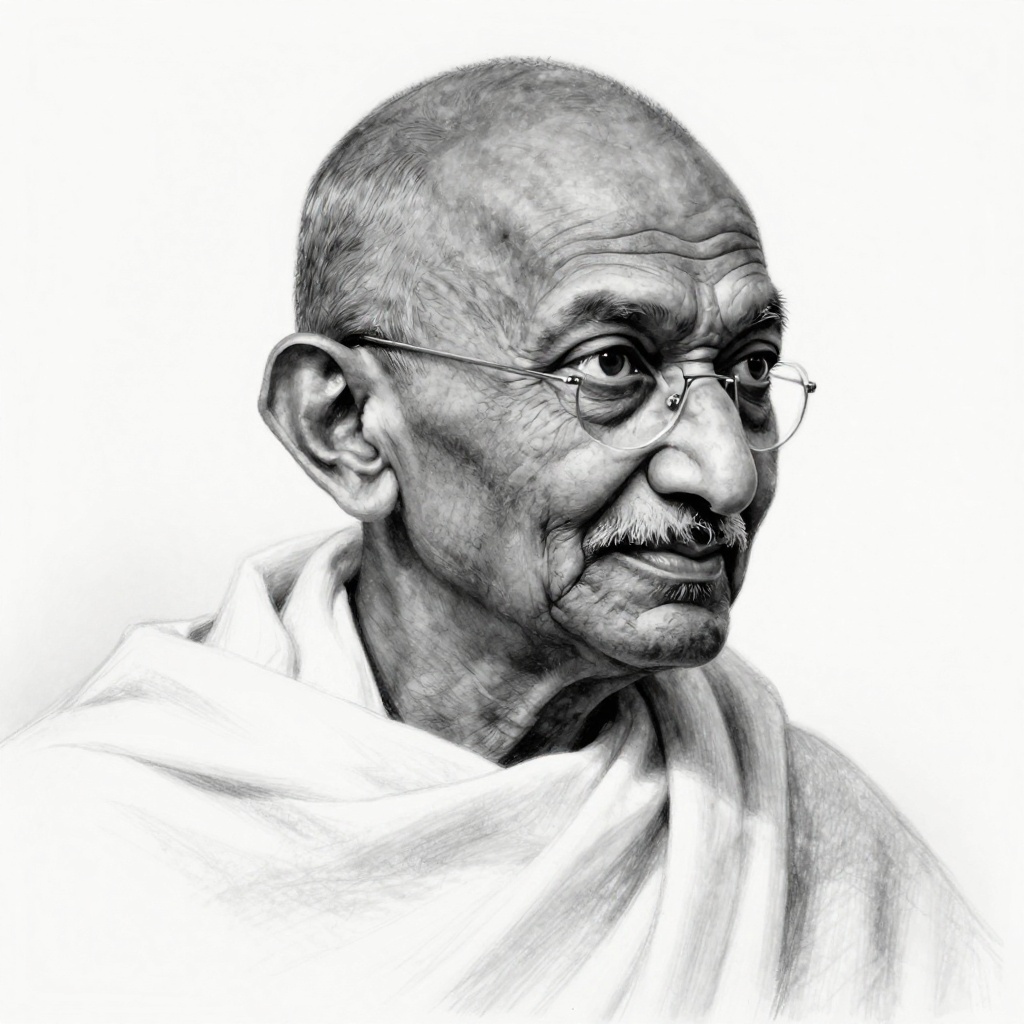
Comments