Quote · Added 1 October 2023
Keep your thoughts positive because your thoughts become your words.
No ratings yet
Filed underthoughts·positivity·words
Quote · Added 1 October 2023
Filed underthoughts·positivity·words
Your inner monologue shapes everything you say out loud—and once those words leave your mouth, they're in the world, influencing how people see you and how you see yourself. This isn't about toxic positivity or pretending everything is fine. It's about recognizing that the constant stream of criticism running through your head—about yourself, others, situations—will eventually leak out. You'll notice it in how you frame problems to friends, how you speak to your kids, even the tone you bring to ordinary conversations.
What makes this practical is understanding it works in reverse too. By deliberately catching negative thought patterns, you're not just being optimistic—you're actually editing what comes out of your mouth later. This matters because words have consequences. A harsh comment said in frustration gets remembered. A dismissive tone with a partner compounds over time. But when you tend to your thoughts like a garden, noticing weeds before they spread, your words naturally become more constructive, more generous, more honest. You become someone people actually want to be around—not because you're fake, but because you're not broadcasting your anxieties and resentments everywhere you go.
1869–1948·lived 78 years
Mahatma Gandhi (1869–1948) was an Indian lawyer, anti-colonial nationalist, and political ethicist who employed nonviolent resistance to lead the successful campaign for India's independence from British rule. Known for his principle of nonviolent protest, he inspired movements for civil rights and freedom across the world.
Also by Mahatma Gandhi
Be the change you want to see in the world.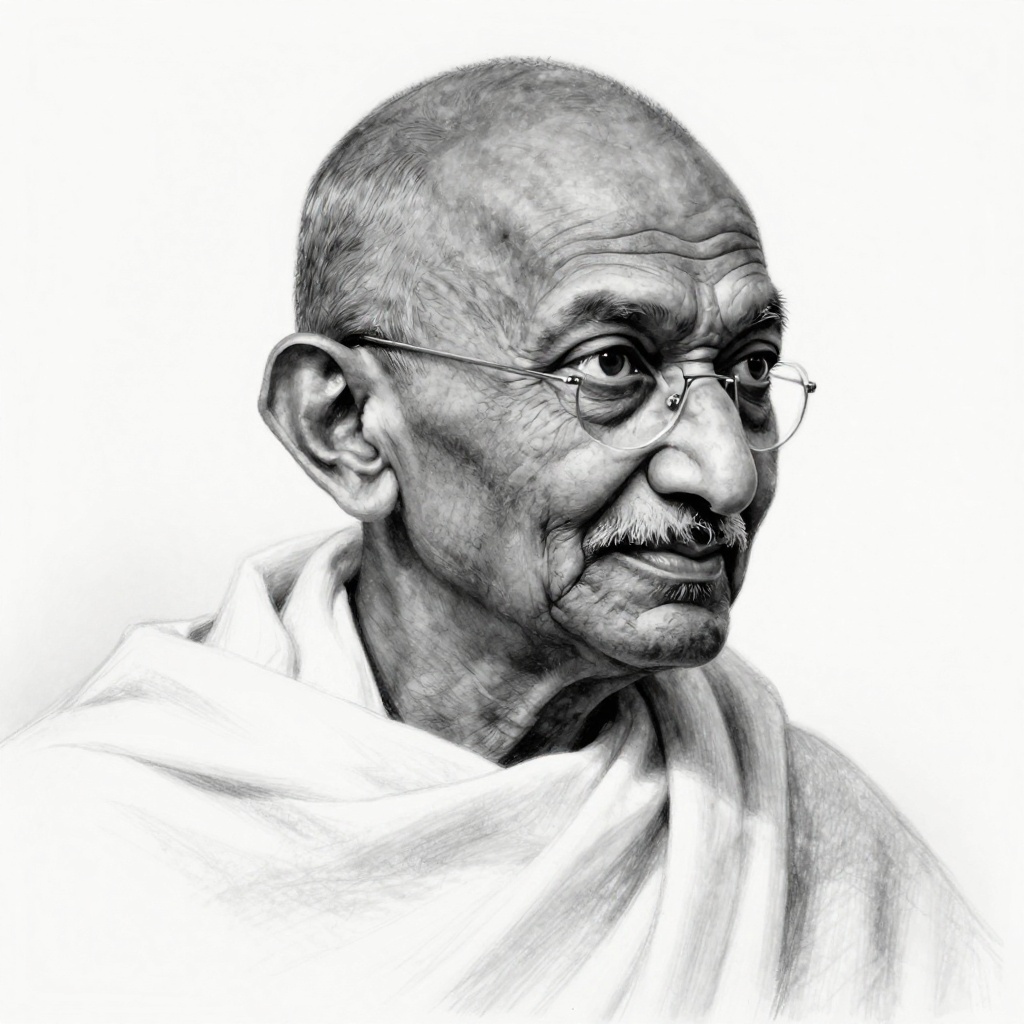
Comments