Quote · Added 11 February 2026
Injustice in the end produces independence.
Mahatma GandhiHind Swaraj or Indian Home Rule, Chapter 14, 1909
No ratings yet
Filed underinjustice·independence·resilience
Quote · Added 11 February 2026
Filed underinjustice·independence·resilience
When people face unfair treatment over time, something shifts inside them. They stop asking permission. They stop waiting for the system to work. This is what Gandhi meant—that oppression, paradoxically, plants the seeds of freedom. The person who's been wronged eventually realizes they have nothing left to lose by acting on their own terms.
We see this play out in small ways constantly. Someone stays in a job where they're undervalued, then one day decides to leave and start something themselves. A group gets ignored by institutions so they build their own community solutions. The unfairness becomes the push they needed to stop depending on the very thing that was hurting them. It's not that injustice is good—it's that it forces a kind of clarity and self-reliance that sitting comfortably never would.
The tricky part is that this independence doesn't always feel like victory at first. It often feels like desperation or even anger. But once people stop waiting to be treated fairly and start creating their own path forward, something changes. They discover capacities they didn't know they had. The real freedom, Gandhi seems to suggest, comes not from the system finally working, but from realizing you never needed its permission in the first place.
1869–1948·lived 78 years
Mahatma Gandhi (1869–1948) was an Indian lawyer, anti-colonial nationalist, and political ethicist who employed nonviolent resistance to lead the successful campaign for India's independence from British rule. Known for his principle of nonviolent protest, he inspired movements for civil rights and freedom across the world.
Also by Mahatma Gandhi
Be the change you want to see in the world.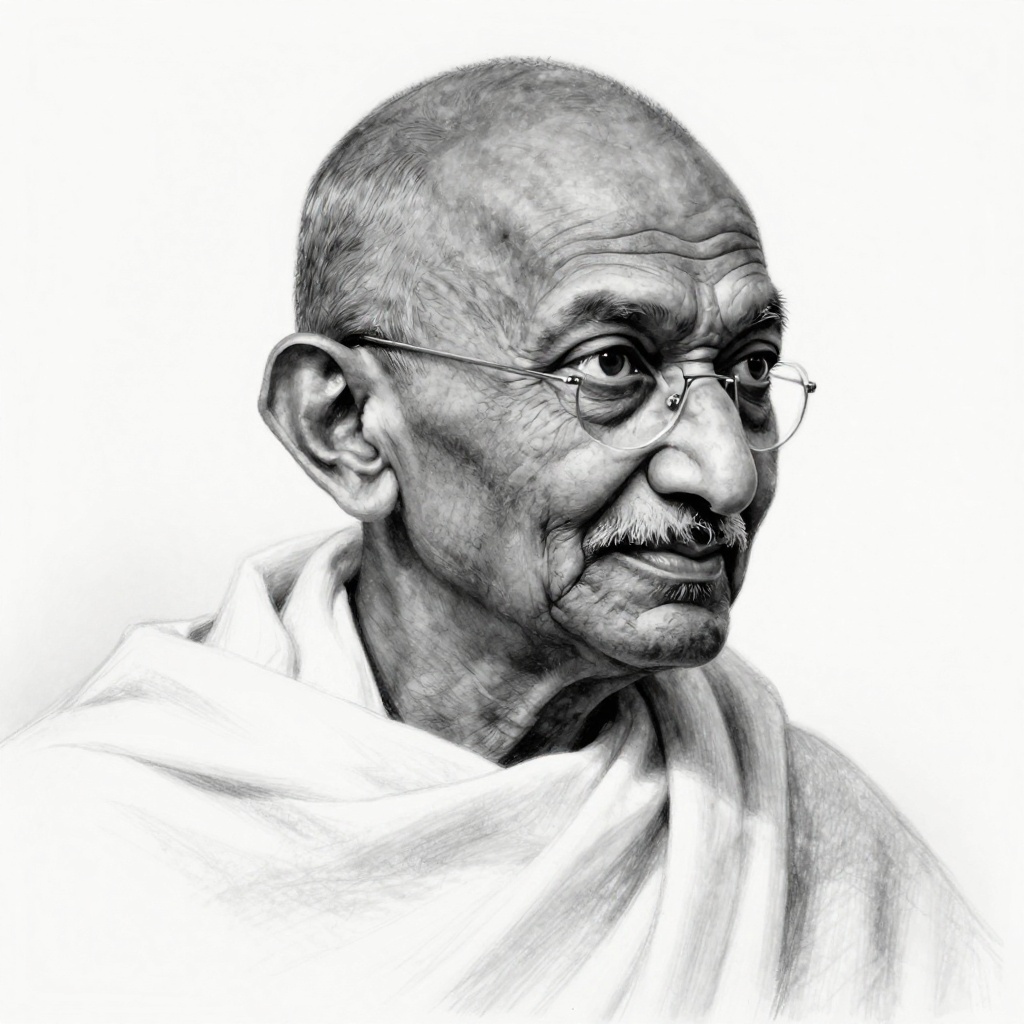
Comments