Quote · Added 14 February 2026
If I had no sense of humor, I would long ago have committed suicide.
Mahatma GandhiYoung India, 18-8-1921, p. 238
No ratings yet
Filed underhumor·life·resilience
Quote · Added 14 February 2026
Filed underhumor·life·resilience
There's something almost defiant about what Gandhi is saying here—that humor isn't a luxury or a nice addition to life, but actually a survival tool. He's not being glib. He lived through decades of imprisonment, political defeat, and watching communities torn apart. He's describing humor as the thing that kept him human when everything else threatened to crush his spirit.
We tend to separate "serious" people from "funny" people, as if having a sense of humor means you don't take things seriously. But Gandhi is describing the opposite: a wry, sometimes dark recognition of life's absurdities becomes how you endure them. It's the person in the hospital who cracks a joke, the activist who laughs at their own exhaustion, the friend who can somehow find lightness without denying pain. That's not avoiding the problem—it's creating enough psychological space to keep going.
Today, when we're drowning in heavy news and personal struggles, this matters more than ever. Humor isn't frivolous; it's a form of resistance. It's how we acknowledge things are terrible and still choose not to be crushed by them. The ability to find something funny—even something small or slightly dark—is often what separates despair from resilience.
1869–1948·lived 78 years
Mahatma Gandhi (1869–1948) was an Indian lawyer, anti-colonial nationalist, and political ethicist who employed nonviolent resistance to lead the successful campaign for India's independence from British rule. Known for his principle of nonviolent protest, he inspired movements for civil rights and freedom across the world.
Also by Mahatma Gandhi
Be the change you want to see in the world.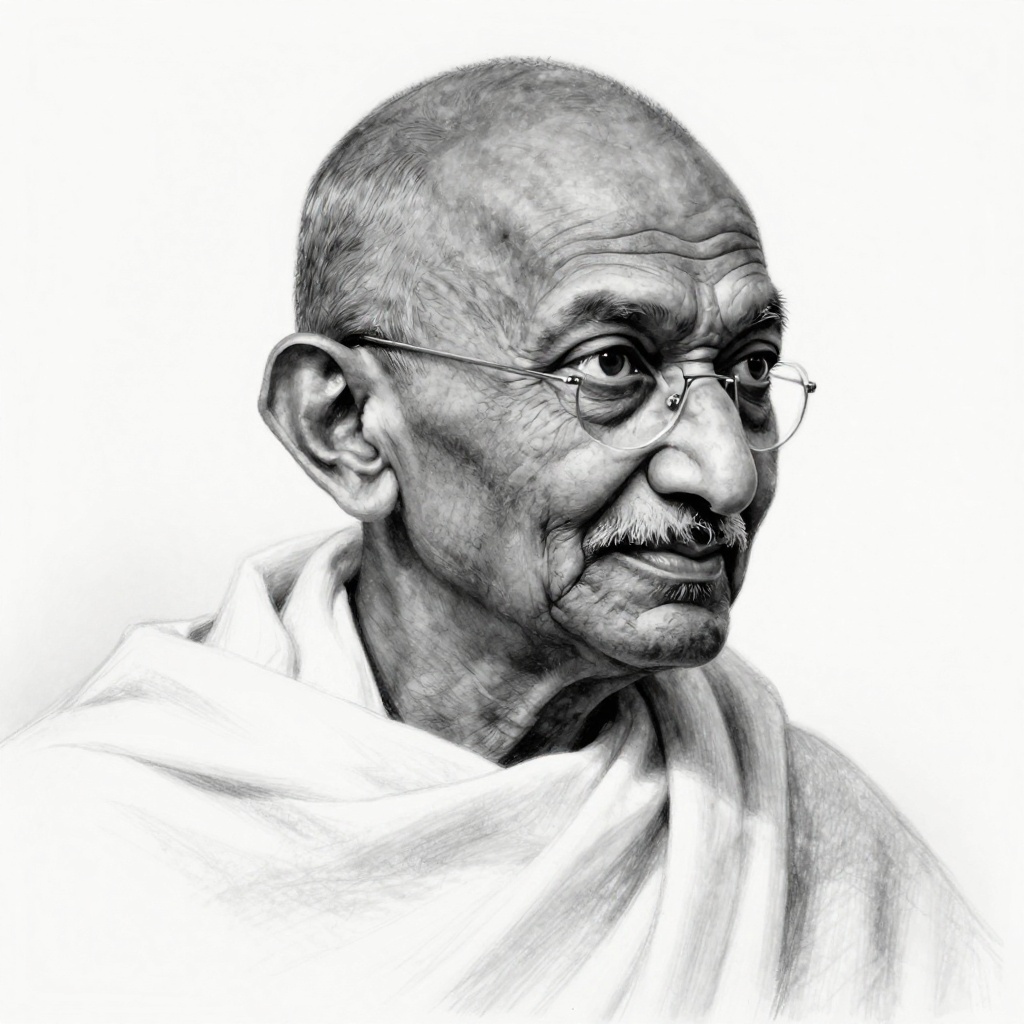
Comments