Quote · Added 14 February 2026
I suppose leadership at one time meant muscles; but today it means getting along with people.
No ratings yet
Filed underleadership·relationships·evolution
Quote · Added 14 February 2026
Filed underleadership·relationships·evolution
We tend to think of leaders as decisive force-of-nature types—the person who commands a room, makes the tough call alone, and gets everyone moving in one direction. But Gandhi's point cuts deeper than just being nice. He's noticing that power itself has fundamentally changed. You can't actually move people anymore through sheer willpower or authority the way you might have in an earlier era. They have choices, alternatives, information, and their own agency.
Getting along with people sounds almost soft when you say it out loud, but it's actually the hardest skill to develop. It means listening enough to understand what someone actually needs, not just what you think they should want. It means building enough trust that people choose to follow you rather than simply obey. In workplaces, families, and communities today, the people who move things forward are usually the ones who can genuinely connect across different viewpoints and bring people along rather than drag them.
The twist is that this isn't just more humane—it's more effective. A team that actually respects and understands its leader accomplishes more than one operating under fear or obligation. The muscle-based leader might get compliance. The person who gets along with people gets genuine commitment.
1869–1948·lived 78 years
Mahatma Gandhi (1869–1948) was an Indian lawyer, anti-colonial nationalist, and political ethicist who employed nonviolent resistance to lead the successful campaign for India's independence from British rule. Known for his principle of nonviolent protest, he inspired movements for civil rights and freedom across the world.
Also by Mahatma Gandhi
Be the change you want to see in the world.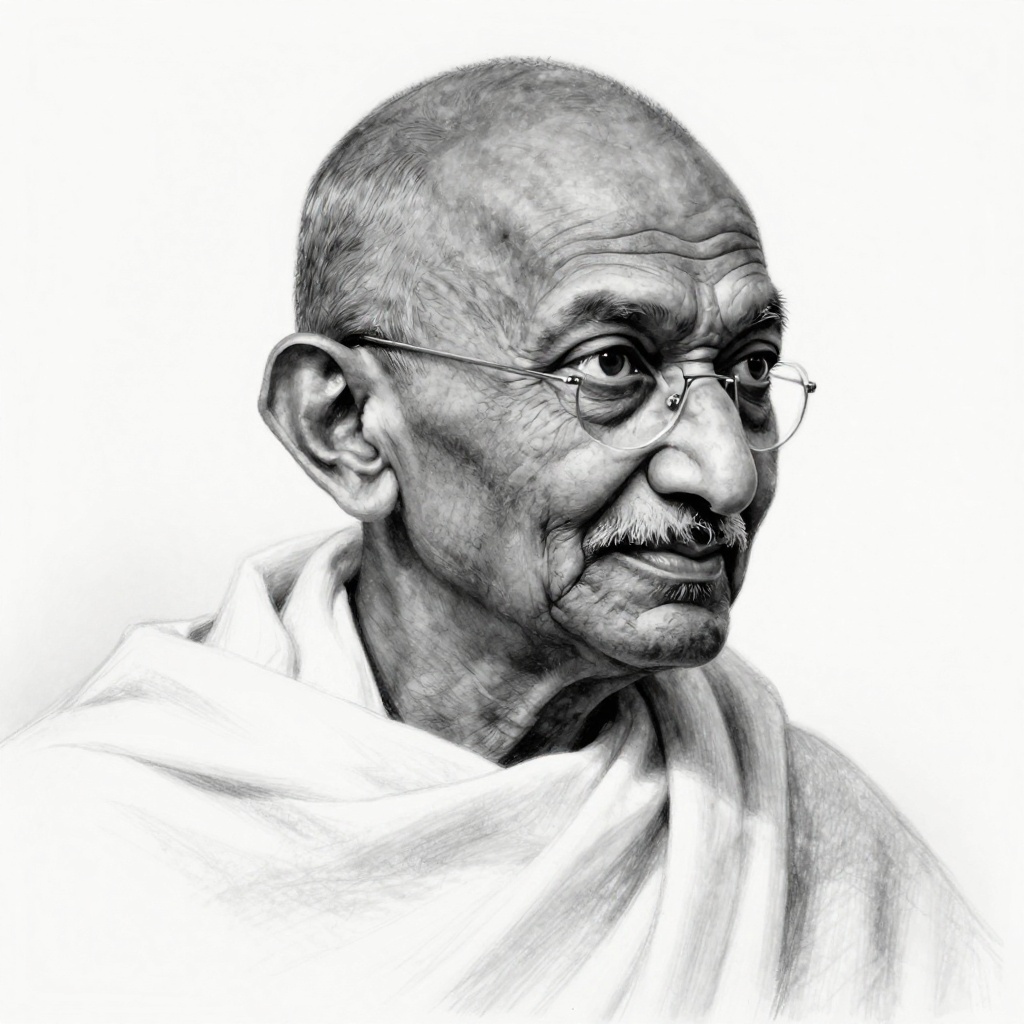
Comments