Quote · Added 8 September 2023
Happiness is when what you think, what you say, and what you do are in harmony.
No ratings yet
Filed underhappiness·harmony·authenticity
Quote · Added 8 September 2023
Filed underhappiness·harmony·authenticity
Most of us spend our days living in small contradictions. We tell ourselves we value time with family, then scroll through our phones during dinner. We say we care about honesty, then exaggerate our accomplishments to impress someone. We claim to want rest, then fill every evening with obligations. These gaps between our stated values and actual behavior create a low-level exhaustion that has nothing to do with physical tiredness.
What Gandhi was pointing at is that happiness isn't really about achieving more or feeling better in some abstract sense. It's about integrity in the truest sense—when your inner compass, your words, and your hands all point the same direction. When they don't, you're constantly managing the cognitive dissonance, making excuses, or bracing for the moment someone notices the disconnect. That internal referee game is exhausting.
The practical insight here is that small acts of alignment matter more than grand gestures. Admitting you were wrong, declining something you don't want to do, or spending time on what you actually believe in—these feel good not because they're virtuous, but because they stop you from working against yourself. The harmony Gandhi describes is less about perfection and more about reducing the friction between who you are and how you're living.
1869–1948·lived 78 years
Mahatma Gandhi (1869–1948) was an Indian lawyer, anti-colonial nationalist, and political ethicist who employed nonviolent resistance to lead the successful campaign for India's independence from British rule. Known for his principle of nonviolent protest, he inspired movements for civil rights and freedom across the world.
Also by Mahatma Gandhi
Be the change you want to see in the world.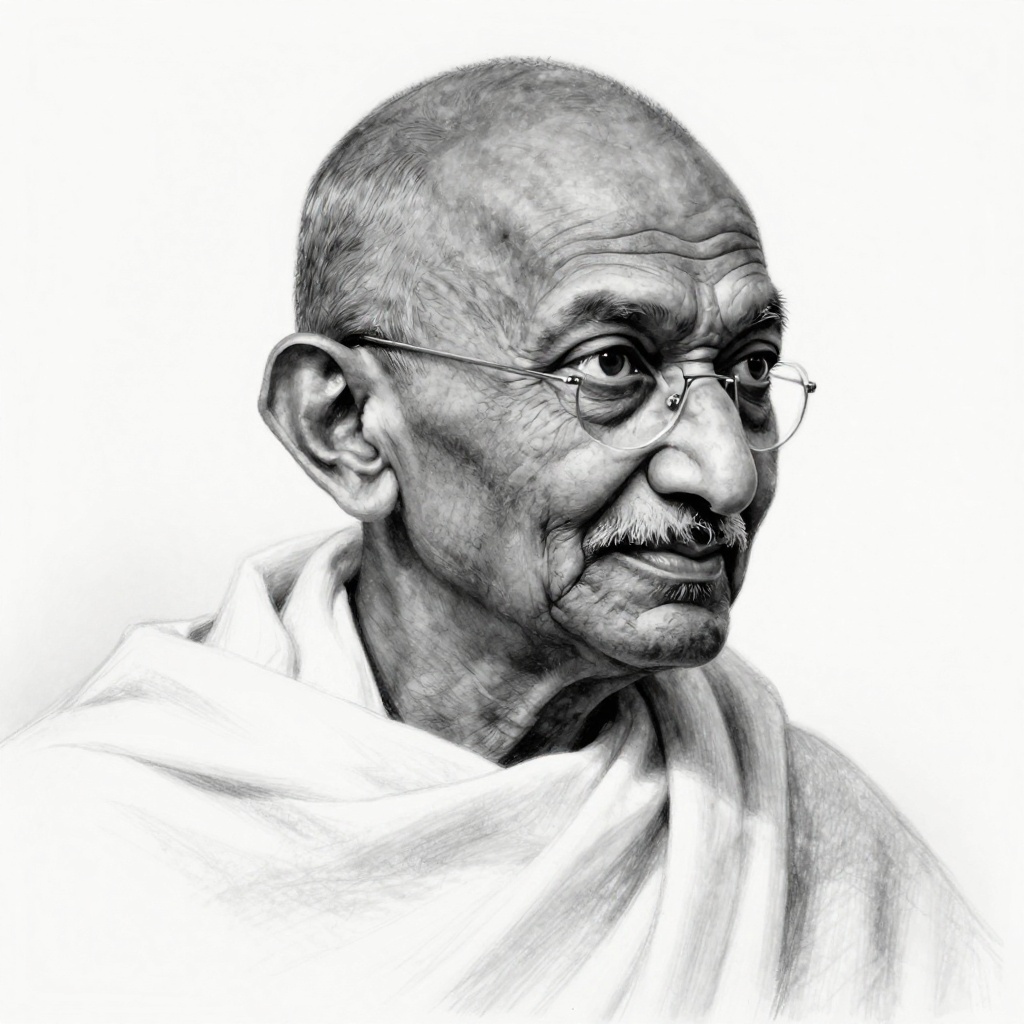
Comments