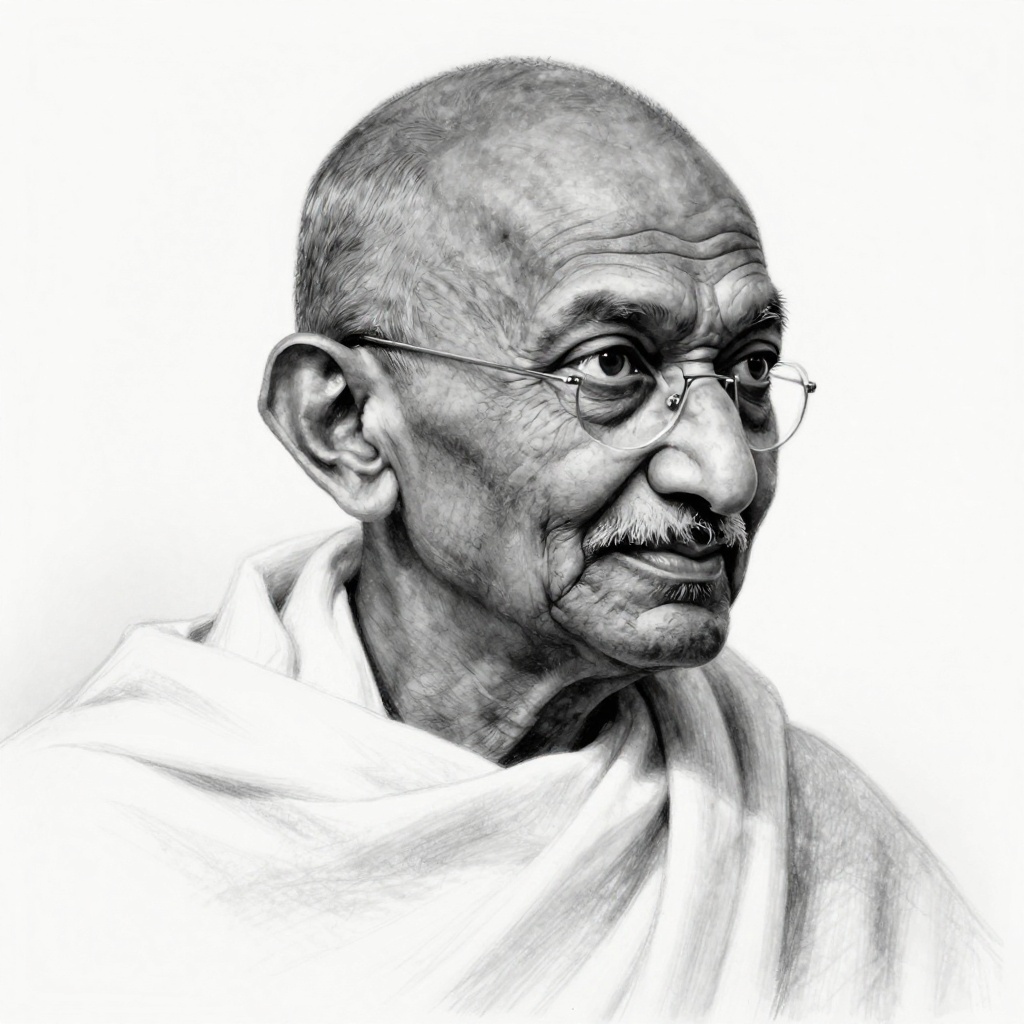
A man who was completely innocent, offered himself as a sacrifice for the good of others, including his enemie... — Mahatma Gandhi
A man who was completely innocent, offered himself as a sacrifice for the good of others, including his enemies, and became the ransom of the world. It was a perfect act.
Author: Mahatma Gandhi
Insight: Gandhi's words about sacrifice point to something we see play out in smaller ways all the time: the person who takes the hit so others don't have to. The coworker who admits a shared mistake to protect the team. The parent who gives up sleep or money without resentment. The friend who listens to someone's crisis instead of leaving early. These moments feel rare partly because we're trained to protect ourselves first, to divide blame carefully, to make sure we get credit for our good moves. What makes Gandhi's observation stick is the word "perfect." He's not saying sacrifice is noble or even necessary—he's saying there's something complete about it, something that actually works. When someone absorbs harm meant for others without keeping score or expecting repayment, it breaks the usual cycle of debt and resentment. It doesn't require the other person to earn it or prove they deserve it. This kind of giving, without conditions, shifts something in people. It's why we remember acts of genuine selflessness decades later, why they echo. The unsettling part is recognizing we rarely do this. We're more comfortable with transactions, with fairness precisely measured. But we also know how transformative it feels when someone does choose to absorb the cost for us, especially someone we didn't think owed us anything at all.