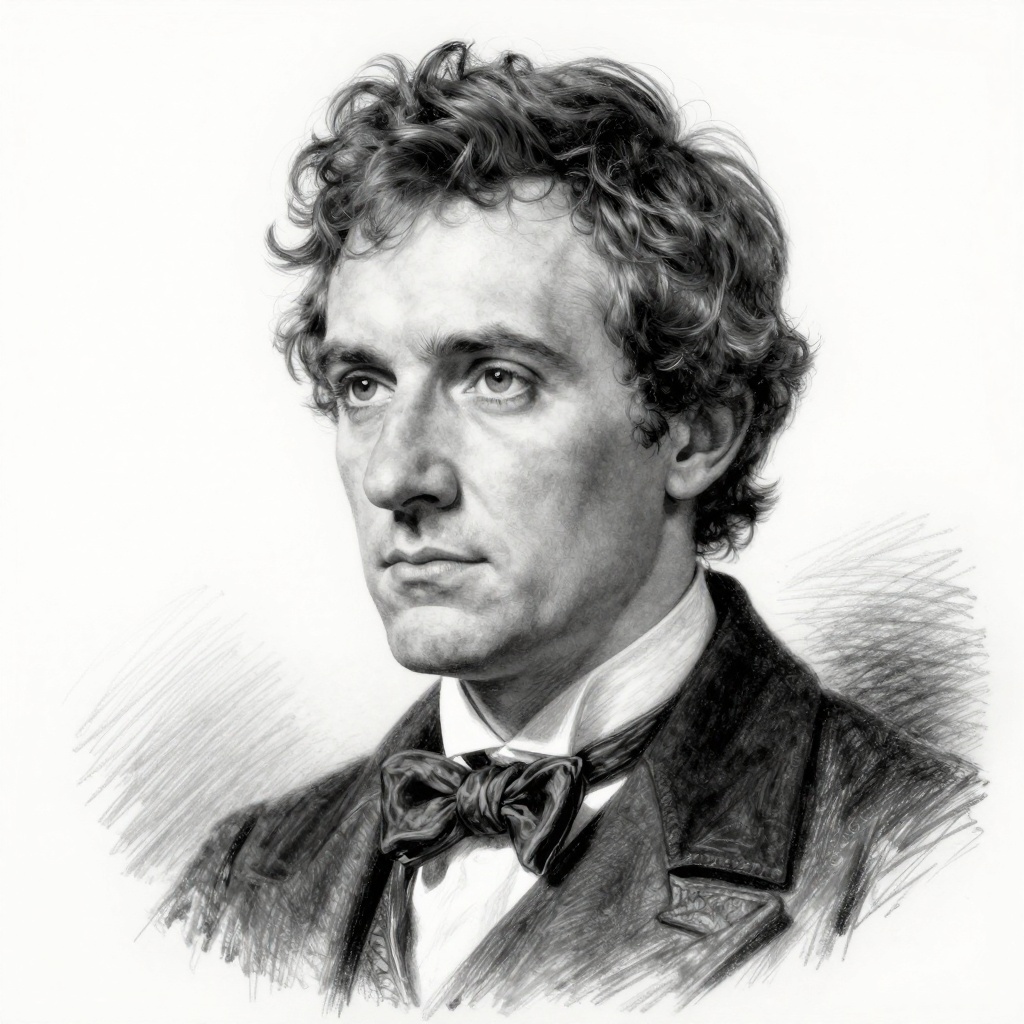
There is pleasure in the pathless woods, there is rapture in the lonely shore, there is society where none int... — Lord Byron

There is pleasure in the pathless woods, there is rapture in the lonely shore, there is society where none intrudes, by the deep sea, and music in its roar; I love not Man the less, but Nature more.

Author: Lord Byron

Insight: There's something Byron understood that we've mostly forgotten: solitude isn't the opposite of love. He's not saying he became a misanthrope in some dramatic rejection of humanity. He's saying that standing alone in nature filled something that other people couldn't, and that wanting both things at once is completely legitimate. We live in a culture that treats alone time as either a luxury reward or a warning sign of depression. But Byron's pointing at something simpler—the specific kind of nourishment that comes from being solo in a wild place, where nothing is designed for you, nothing wants anything from you. The beach doesn't need you to succeed. The forest doesn't care about your résumé. There's a relief in that indifference that paradoxically makes you feel more alive, not less connected to humanity, but somehow less burdened by it. The real insight is buried in that last line. He loves people the same amount—that hasn't changed. What's shifted is that he's stopped expecting nature to fill the same role that people do. He's stopped being disappointed that a walk alone can't replace a conversation with a friend. Once you stop asking forests to be communities, they become something far more valuable: a place where you can just exist, without negotiation.

Solitude doesn't mean you stopped loving people

There is pleasure in the pathless woods, there is rapture in the lonely shore, there is society where none intrudes, by the deep sea, and music in its roar; I love not Man the less, but Nature more.

There's something Byron understood that we've mostly forgotten: solitude isn't the opposite of love. He's not saying he became a misanthrope in some dramatic rejection of humanity. He's saying that standing alone in nature filled something that other people couldn't, and that wanting both things at once is completely legitimate.

We live in a culture that treats alone time as either a luxury reward or a warning sign of depression. But Byron's pointing at something simpler—the specific kind of nourishment that comes from being solo in a wild place, where nothing is designed for you, nothing wants anything from you. The beach doesn't need you to succeed. The forest doesn't care about your résumé. There's a relief in that indifference that paradoxically makes you feel more alive, not less connected to humanity, but somehow less burdened by it.

The real insight is buried in that last line. He loves people the same amount—that hasn't changed. What's shifted is that he's stopped expecting nature to fill the same role that people do. He's stopped being disappointed that a walk alone can't replace a conversation with a friend. Once you stop asking forests to be communities, they become something far more valuable: a place where you can just exist, without negotiation.

AI generated

Comments

Sign in to leave a comment or reply to one.

Sign in

Lord Byron

Lord Byron, born George Gordon Byron, was an English poet and a leading figure in the Romantic movement. He is known for his influential works such as "Don Juan" and "Childe Harold's Pilgrimage," as well as for his scandalous personal life and enigmatic, charismatic personality.

Graph

Related