Quote · Added 14 February 2026
Man's love is of man's life a part; it is a woman's whole existence. In her first passion, a woman loves her lover, in all the others all she loves is love.
No ratings yet
Quote · Added 14 February 2026
This quote captures something we still see today, even if we'd phrase it differently: the cultural pressure on women to make romantic love their primary identity and purpose. Byron was writing in the early 1800s, yet you can recognize the dynamic he's describing in modern life—the way women are still often encouraged to organize their lives around relationships while men get to have hobbies, careers, and passions that exist alongside love.
What's worth noticing is the second part, which is subtly darker than the first. He's not just saying women love more intensely; he's suggesting that after the first relationship, women become addicted to the feeling of being in love rather than actually loving the person. That's a cynical observation that hits differently now. We can see it playing out when someone rushes from one relationship to another, or when the rush of new love matters more than genuine compatibility. It's less about how women are wired and more about what happens when you're taught that your worth depends on being wanted.
The real insight isn't that this is how women naturally are—it's that when a whole society tells you that love is your only legitimate identity, it warps how you approach relationships. You start chasing the feeling instead of the connection.
1788–1824·lived 36 years
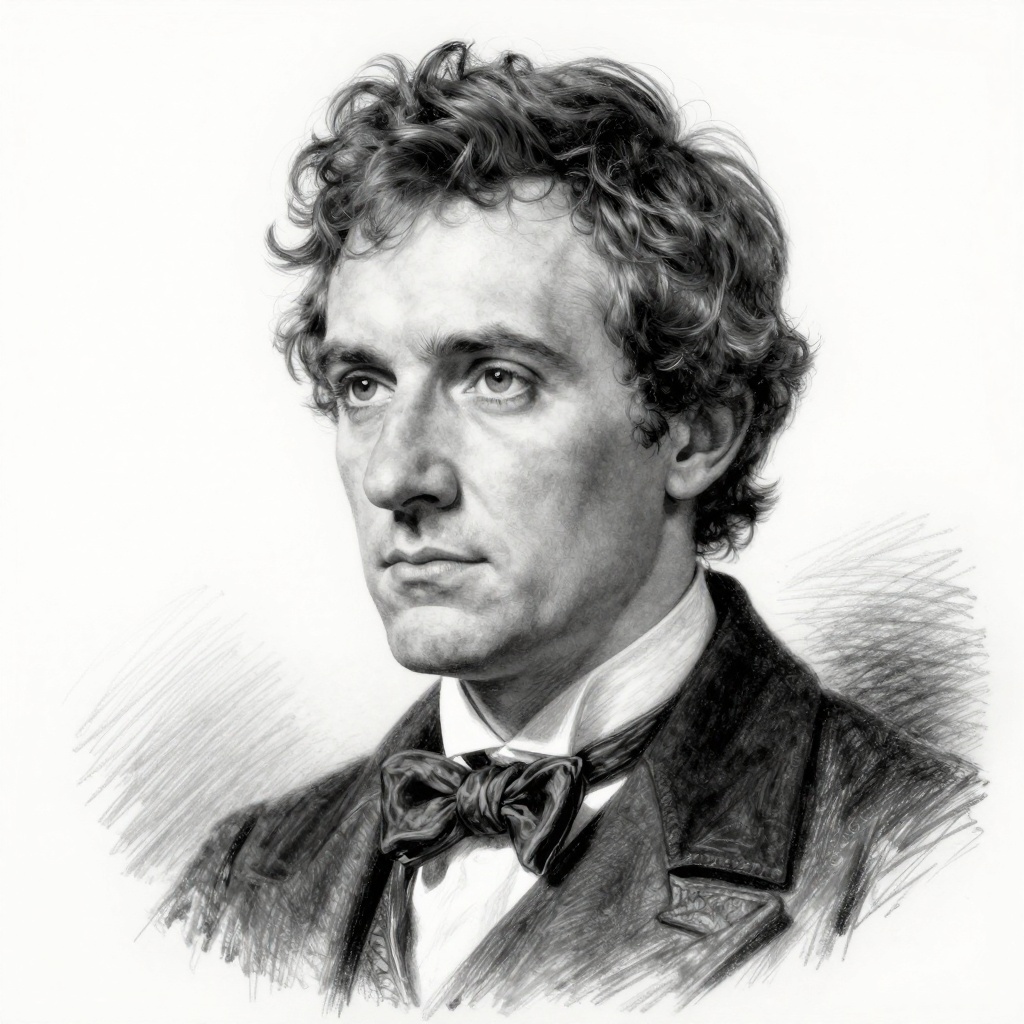
Lord Byron, born George Gordon Byron, was an English poet and a leading figure in the Romantic movement. He is known for his influential works such as "Don Juan" and "Childe Harold's Pilgrimage," as well as for his scandalous personal life and enigmatic, charismatic personality.
Comments