Quote · Added 14 February 2026
A brier rose whose buds yield fragrant harvest for the honey bee.
Letitia Elizabeth LandonThe Improvisatrice, p. 45, 1824
No ratings yet
Quote · Added 14 February 2026
There's something almost defiant about a brier rose. It's thorny, scrappy, not the refined garden variety you'd expect to admire. Yet here it is, producing real sweetness—fragrant blooms that actually serve a purpose, feeding the bees that keep ecosystems alive. Landon seems to be pointing at something we often miss: the most valuable things don't always come wrapped in obvious beauty or ease.
This matters now because we're obsessed with polish and perfection. We filter our lives, curate our struggles, pretend difficulty should be smoothed away before anything worthwhile emerges. But the brier rose reminds us that roughness and productivity often go together. The thorns aren't a flaw to overcome—they're part of what makes the bloom possible. Your messy creative work, your flawed but genuine effort, your difficult personal growth—these aren't obstacles to real value. They're often what creates it.
The bee doesn't care that the rose is prickly. It cares about the nectar. When we stop being so afraid of our own rough edges, we start producing something real for the world. The question isn't whether you're polished enough. It's whether what you're doing actually feeds something.
1802–1838·lived 36 years
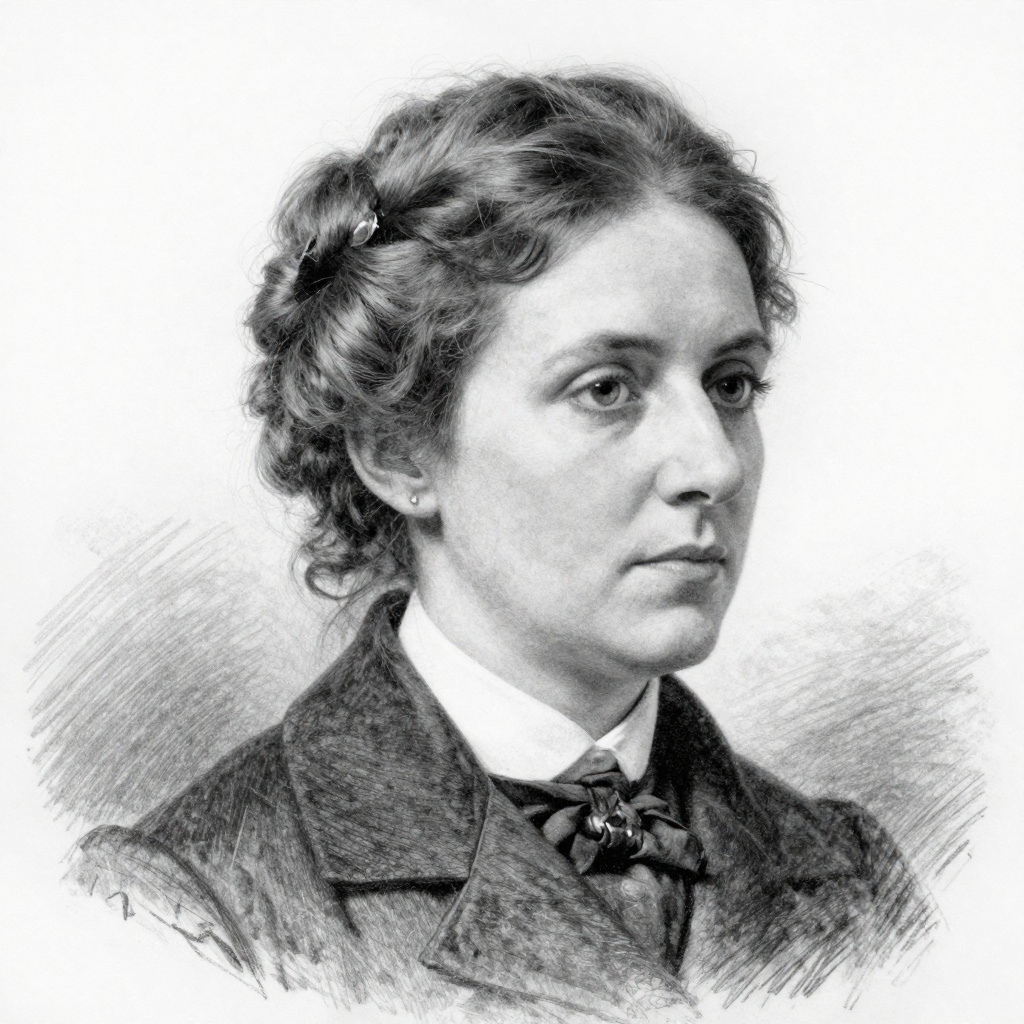
Letitia Elizabeth Landon (1802-1838) was an English poet, novelist, and playwright, known for her vibrant verse and vivid characterizations. She gained popularity in the early 19th century, publishing numerous poems and novels under her initials "L.E.L." and contributed significantly to the Romantic literary movement. Landon's work often explored themes of love, nature, and the struggles of women in society, making her a notable figure in Victorian literature.
Comments