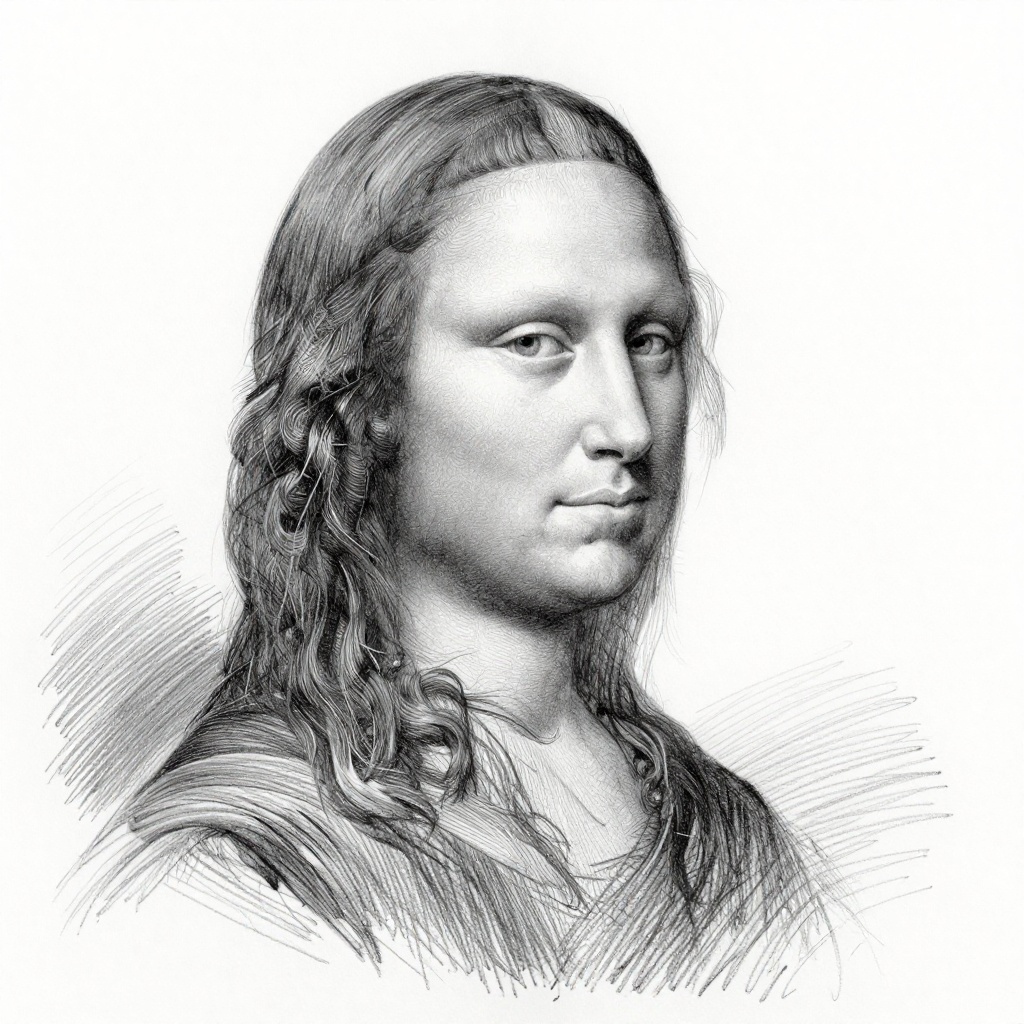
There are three classes of people: those who see. Those who see when they are shown. Those who do not see. — Leonardo da Vinci

There are three classes of people: those who see. Those who see when they are shown. Those who do not see.

Author: Leonardo da Vinci

Insight: We usually think of seeing as something that just happens—light hits your eyes, you see. But da Vinci was talking about something different: the ability to notice what's actually in front of you, especially the patterns and problems others miss. The first class sees without prompting. They're the ones who walk into a room and immediately spot what's broken, or notice how people actually behave versus how they claim to behave. They're naturally curious in a way that feels almost restless. The second group needs a nudge. Show them something once, explain it clearly, and suddenly it clicks. They're not less intelligent—they just don't scan the world automatically looking for insight. With a good teacher, mentor, or even a well-written article, they wake up to things that were hiding in plain sight. Most of us are here, probably depending on the subject. The third group is the tricky one. Even when shown, they genuinely don't see. And here's the uncomfortable part: we're all in that third group about something. There are blind spots we're almost defenseless against, usually about ourselves. The real skill isn't pretending you're always in group one. It's being humble enough to ask which group you're in about the things that matter most.

The blind spots we all have

There are three classes of people: those who see. Those who see when they are shown. Those who do not see.

We usually think of seeing as something that just happens—light hits your eyes, you see. But da Vinci was talking about something different: the ability to notice what's actually in front of you, especially the patterns and problems others miss. The first class sees without prompting. They're the ones who walk into a room and immediately spot what's broken, or notice how people actually behave versus how they claim to behave. They're naturally curious in a way that feels almost restless.

The second group needs a nudge. Show them something once, explain it clearly, and suddenly it clicks. They're not less intelligent—they just don't scan the world automatically looking for insight. With a good teacher, mentor, or even a well-written article, they wake up to things that were hiding in plain sight. Most of us are here, probably depending on the subject.

The third group is the tricky one. Even when shown, they genuinely don't see. And here's the uncomfortable part: we're all in that third group about something. There are blind spots we're almost defenseless against, usually about ourselves. The real skill isn't pretending you're always in group one. It's being humble enough to ask which group you're in about the things that matter most.

AI generated

Comments

Sign in to leave a comment or reply to one.

Sign in

Leonardo da Vinci

Leonardo da Vinci was an Italian polymath active during the Renaissance, known for his proficiency in various fields such as painting, sculpting, engineering, anatomy, and science. His most famous works include the Mona Lisa and The Last Supper, and he is widely regarded as one of the greatest artists of all time.

Graph

Related