Quote · Added 9 April 2024
One can have no smaller or greater mastery than mastery of oneself.
Leonardo da VinciThe Literary Works of Leonardo da Vinci (Richter, ed. 1883), Volume II, Section 1192, p. 297
No ratings yet
Quote · Added 9 April 2024
We live in a time obsessed with external wins—promotions, followers, possessions, achievements that others can see and measure. Yet most of us have felt the uncomfortable truth embedded in this quote: you can accomplish almost anything and still feel like a mess inside. You can land the job and still struggle with impatience. You can build a following and still wrestle with self-doubt. The real bottleneck isn't usually opportunity or talent. It's whether you can manage your own impulses, emotions, and patterns.
What makes this observation surprisingly practical is that self-mastery isn't about becoming a perfect robot. It's about knowing yourself well enough to work with yourself rather than constantly fighting yourself. When you understand why you procrastinate, or what actually triggers your anxiety, or how your ego gets in the way, you stop wasting energy on internal conflict. That freed-up energy then flows into everything else you touch—your relationships become steadier, your work becomes clearer, your resilience actually builds.
The paradox is that people who seem to accomplish the most often aren't the ones with the fewest doubts or struggles. They're the ones who've done the unglamorous work of understanding and directing themselves. That mastery is invisible to most people, which is exactly why it matters so much.
1452–1519·lived 67 years
Leonardo da Vinci was an Italian polymath active during the Renaissance, known for his proficiency in various fields such as painting, sculpting, engineering, anatomy, and science. His most famous works include the Mona Lisa and The Last Supper, and he is widely regarded as one of the greatest artists of all time.
Also by Leonardo da Vinci
Just as food eaten without appetite is a tedious nourishment, so does study without zeal d...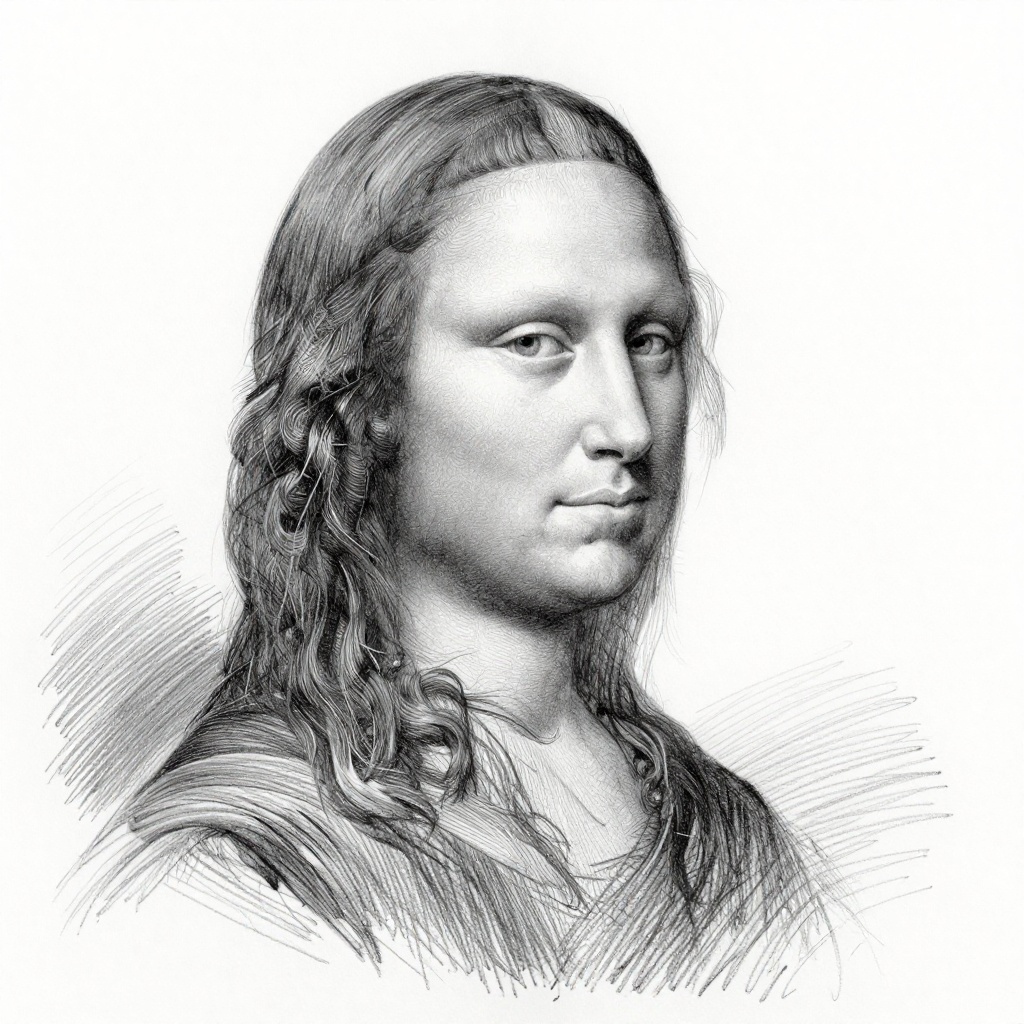
Comments