Quote · Added 31 August 2023
Just as a well-filled day brings blessed sleep, so a well-employed life brings blessed death.
Leonardo da VinciThoughts on Art and Life, 1906
No ratings yet
Filed underlife·fulfillment·mortality
Quote · Added 31 August 2023
Filed underlife·fulfillment·mortality
There's something almost radical about this idea now: that how you spend your days actually determines how you face your end. We live in a culture that treats rest like something to earn through productivity, and death like an inconvenient topic to avoid entirely. But da Vinci's pointing at something simpler—that a life genuinely spent, not just endured, creates a kind of natural closure. When you've actually engaged with your work, your relationships, your curiosity, there's less unfinished business haunting you.
The tricky part is that "well-employed" doesn't mean overbooked or exhausted. A well-filled day has rhythm to it—real work, real presence, real care for something beyond yourself. It's the difference between scrolling through eight hours and actually building or creating or connecting. That exhaustion feels different; it leads to real sleep, not the hollow tiredness that follows empty busyness.
What makes this sting now is how many of us can sense we're not quite living this way. We're not afraid of dying in the abstract—we're afraid of reaching the end realizing we never actually showed up for our own lives. Da Vinci's suggesting the antidote isn't thinking constantly about mortality. It's filling today with something that actually matters to you.
1452–1519·lived 67 years
Leonardo da Vinci was an Italian polymath active during the Renaissance, known for his proficiency in various fields such as painting, sculpting, engineering, anatomy, and science. His most famous works include the Mona Lisa and The Last Supper, and he is widely regarded as one of the greatest artists of all time.
Also by Leonardo da Vinci
Just as food eaten without appetite is a tedious nourishment, so does study without zeal d...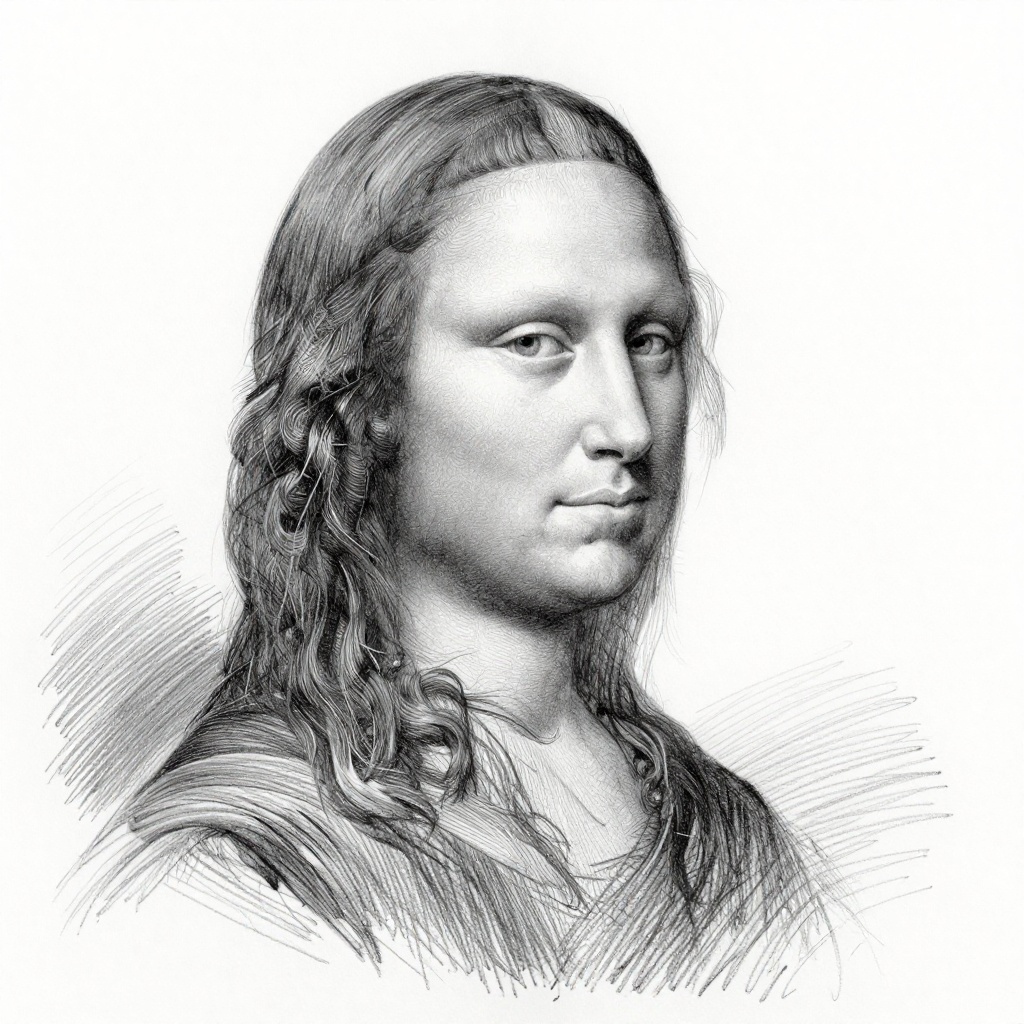
Comments