Quote · Added 7 January 2024
As a well-spent day brings happy sleep, so a life well spent brings happy death.
Leonardo da VinciThe Notebooks of Leonardo da Vinci, 1883
No ratings yet
Filed underlife·happiness·fulfillment
Quote · Added 7 January 2024
Filed underlife·happiness·fulfillment
There's something refreshing about treating a single day the way da Vinci treats an entire life—as something you can actually complete well. Most of us live as if we're always in the middle of something, perpetually unfinished, which makes rest feel guilty rather than earned. But the quote suggests a rhythm: good work, then good rest. Not because you've optimized everything perfectly, but because you did what mattered to you that day.
The real insight isn't about death at all, though it uses that word. It's about the daily practice of wrapping something up—finishing a project, having a real conversation, creating something small—and then actually stopping. Without that completion, we stay mentally jangling even when we're physically tired. We scroll instead of sleep. We worry instead of rest.
What makes this still true today is that we've somehow made busyness feel like virtue, as if stopping means failure. But da Vinci knew something: a day spent well doesn't mean a day spent doing everything. It means a day where what you did felt purposeful enough that you can genuinely let it go. That kind of ending—the daily kind, the small kind—might be the only practice that actually teaches us how to finish anything at all.
1452–1519·lived 67 years
Leonardo da Vinci was an Italian polymath active during the Renaissance, known for his proficiency in various fields such as painting, sculpting, engineering, anatomy, and science. His most famous works include the Mona Lisa and The Last Supper, and he is widely regarded as one of the greatest artists of all time.
Also by Leonardo da Vinci
Just as food eaten without appetite is a tedious nourishment, so does study without zeal d...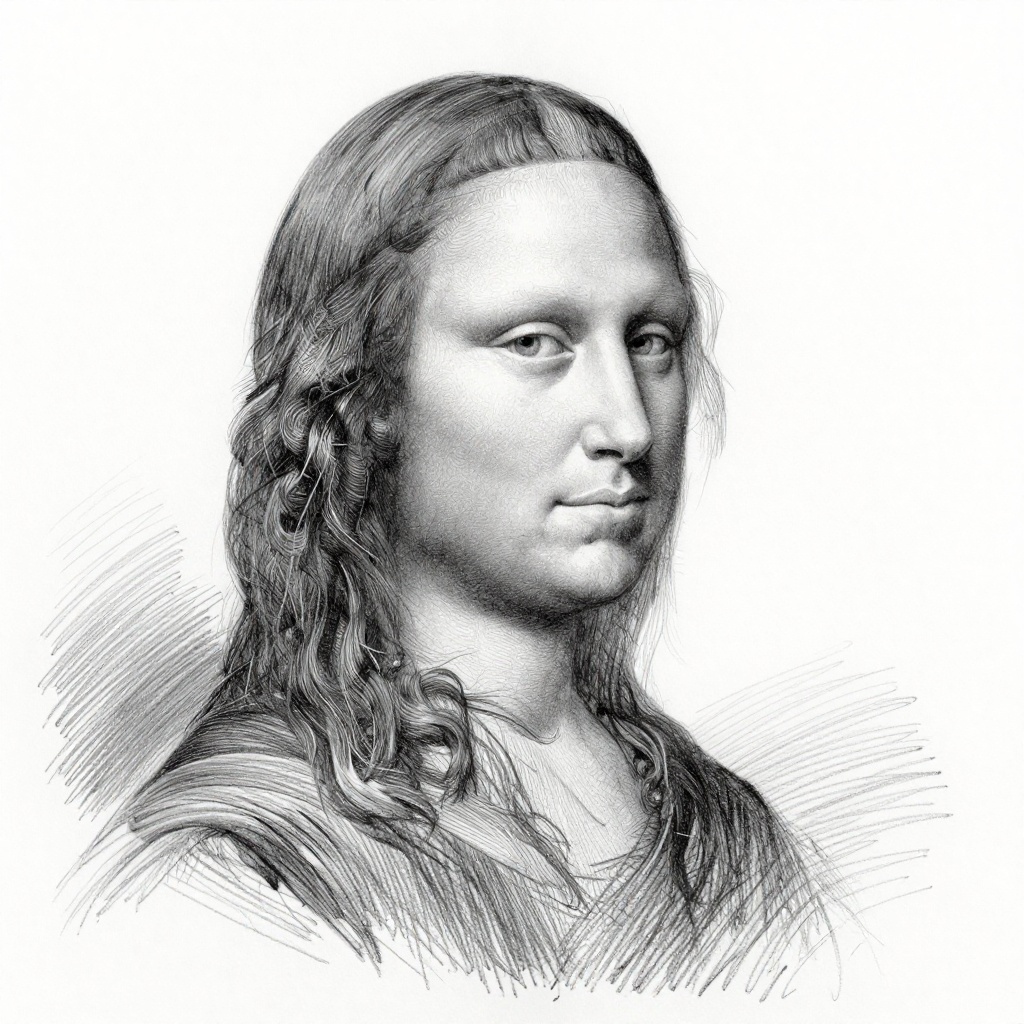
Comments