Quote · Added 14 February 2026
Money is the great tool through whose means labor and skill become universally co-operative.
No ratings yet
Filed undermoney·cooperation·labor
Quote · Added 14 February 2026
Filed undermoney·cooperation·labor
Money gets a lot of hate, especially when we're struggling or watching others accumulate wealth unfairly. But there's something worth sitting with here: money is fundamentally a connector. It lets a carpenter in one city trade her skills for grain grown a thousand miles away. It lets a programmer in a small town offer her talents to clients everywhere. Without money, you're stuck bartering directly with people in your immediate circle, and most of us don't need what our neighbors are selling.
The real insight isn't that money is good or bad—it's that money solves a practical problem. It translates your specific skill into something anyone, anywhere can value and exchange. A mechanic and a teacher don't naturally need each other's work, but money bridges that gap. This is why entire economies collapse when money stops working; people suddenly can't access the help they need, even though the skills haven't disappeared.
Where this gets interesting today is recognizing that money's power cuts both ways. It genuinely does enable cooperation and specialization that would be impossible otherwise. But that same tool also concentrates power if it flows mostly one direction. Understanding money as a tool for cooperation, rather than just wealth or status, might help us think more clearly about how we actually want it to work in our lives.
1824–1893·lived 69 years
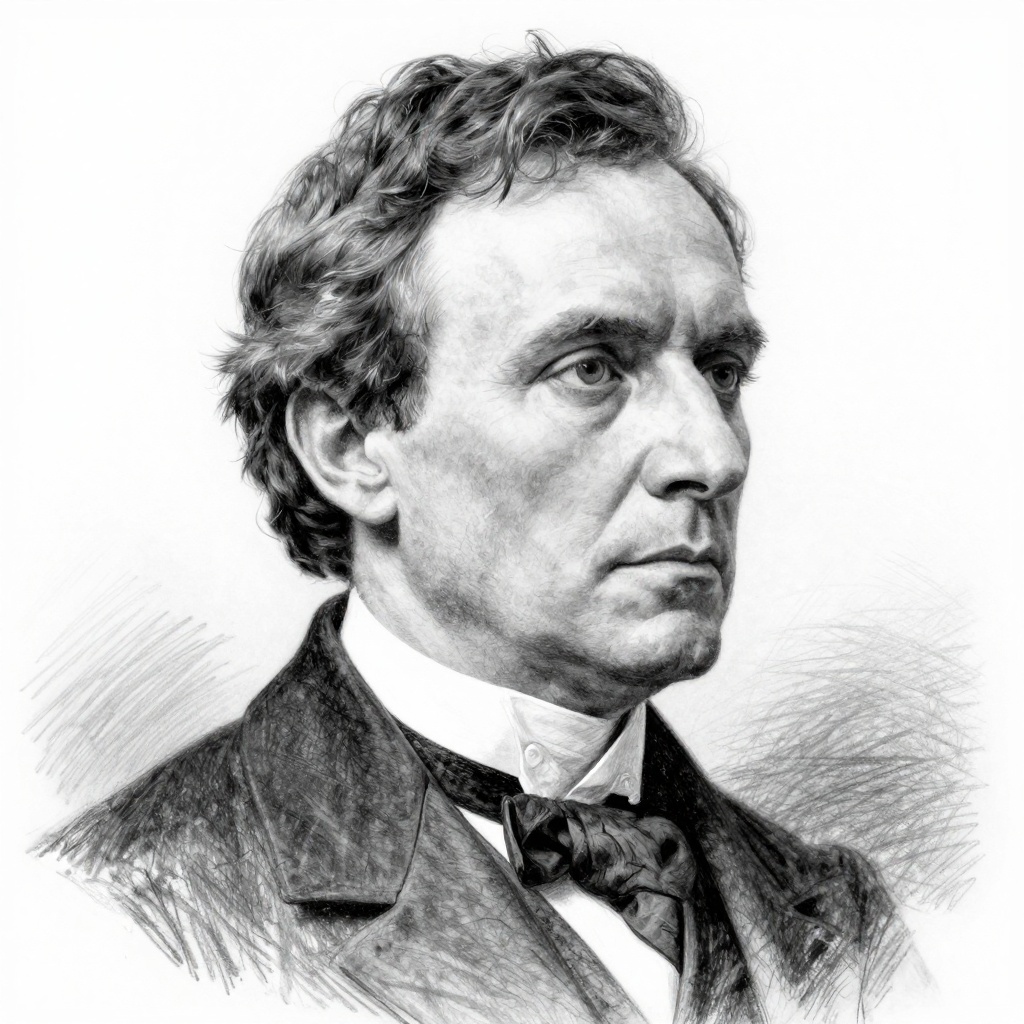
Leland Stanford (1824-1893) was an American industrialist, politician, and philanthropist best known as the founder of Stanford University and as a key figure in the development of the Central Pacific Railroad. He served as the Governor of California from 1862 to 1863 and was a prominent advocate for the development of the western United States. Stanford's legacy includes his contributions to education and transportation, which helped shape the growth of California.
Comments